NASA and Prada: High-Tech Fashion for the Next Moon Mission
NASA and Axiom Space have partnered with Prada to develop a high-tech base layer for the Artemis IV lunar mission, showcasing a unique blend of high-end fashion and aerospace engineering.
Blue Origin's New Glenn rocket suffered a catastrophic explosion during a static-fire test in Florida, dealing a major blow to Jeff Bezos's space ambitions and causing significant delays for NASA's Artemis Moon program.
NASA has officially confirmed that the Artemis III lunar landing mission will be delayed until at least late 2027, as SpaceX and Blue Origin work to finalize their respective lander hardware.
NASA, in partnership with the Department of Defense and the Department of Energy, is developing a plan to deploy small nuclear reactors in orbit and on the lunar surface to support long-term space exploration missions and permanent base operations.
The successful completion of the Artemis II mission marks a historic leap in human space exploration, establishing the technical foundations for upcoming lunar landings and long-term lunar research bases.
The Artemis II mission has successfully concluded as the crew returned safely to Earth, marking a significant milestone in deep space exploration. The mission validated human systems in deep space and laid the foundation for future lunar landing missions.
The Artemis II mission has successfully concluded with a perfect splashdown of the 'Integrity' capsule in the Pacific. This mission validated deep-space flight capabilities and laid the groundwork for future lunar landing missions.
NASA's Artemis II mission has successfully concluded, with its four-person crew safely returning to Earth after a historic journey around the Moon. This milestone verifies deep-space technologies, paving the way for future lunar landings.
NASA's Artemis II mission successfully concluded with a Pacific Ocean splashdown, marking a critical milestone in human deep-space exploration and laying the groundwork for future moon landings.
NASA's Artemis II mission concluded with a successful splashdown in the Pacific, marking the first human lunar-trajectory return in decades and setting the stage for future lunar missions.
The Artemis II mission successfully concluded in April 2026, with the crew splashing down safely in the Pacific Ocean, marking a significant milestone in human deep-space exploration.
The Artemis II crew has safely returned to Earth following a historic mission around the moon, marking a critical achievement for deep-space reentry and future lunar exploration.
NASA's Artemis II mission concluded successfully as the Orion capsule splashed down in the Pacific, returning its four-person crew safely after a historic flight around the Moon.
NASA's Artemis II mission is nearing its finale as the Orion capsule prepares for a high-stakes atmospheric reentry, with ongoing helium valve issues slated for future redesign.
The Artemis II mission is set for splashdown this Friday. NASA identified recurring helium valve leaks in the Orion spacecraft, which will require a redesign before future lunar missions.
The Artemis II mission is successfully yielding scientific data, including observations of rare meteorite impacts on the Moon, as NASA prepares for future missions.
The Artemis II mission has successfully reached the far side of the moon, capturing historic 'Earthset' imagery and providing critical tests for future lunar return operations.
NASA’s Artemis II mission has successfully reached the moon’s far side, capturing historic high-resolution images including an 'Earthset' and a total solar eclipse, proving the Orion spacecraft’s deep-space capabilities.
The Artemis II crew successfully flew around the far side of the Moon, shattering the distance record set by Apollo 13 56 years ago and marking a major milestone in NASA's lunar exploration program.
The Artemis II mission has officially surpassed the human spaceflight distance record set by Apollo 13 in 1970, demonstrating the reliability and operational adaptability of the Orion spacecraft in deep space.
The Artemis II mission has set a new record for the furthest distance humans have traveled from Earth. The crew is currently validating critical life support and navigation systems for the Orion spacecraft, laying the groundwork for future lunar landings.
Artemis II is breaking human deep-space distance records. While data transmission constraints mean early video feeds are low-resolution, the mission continues to collect vital scientific data on lunar geology and resources.
The Artemis II mission is progressing well as astronauts navigate complex lunar trajectories. The crew successfully managed cabin temperature fluctuations and resolved a Microsoft Outlook glitch, demonstrating effective collaboration between ground control and space-bound crews during deep-space operations.
Even Artemis II astronauts are not immune to technical issues, with a recent Outlook sync error highlighting the challenges of using standard enterprise software during deep-space missions.
NASA successfully launched the Artemis II mission with four astronauts, marking a major milestone in modern spaceflight. While not a landing mission, it acts as a critical technological stress test for future lunar exploration.
NASA has successfully launched the Artemis II mission, sending four astronauts on a lunar flyby. While a major tech milestone, the mission brings into sharp focus international legal debates regarding the legitimacy of lunar bases under the Outer Space Treaty.
NASA successfully launched Artemis II, marking the first human lunar mission in over 50 years. Beyond the technical milestones, the project has sparked international legal debate regarding the legitimacy of lunar bases under the Outer Space Treaty.
NASA's Artemis II mission has successfully launched, sending four astronauts on a lunar orbit flight and marking a major milestone in human space exploration. However, the legal framework for establishing lunar bases remains a point of international debate.
The Artemis II mission is in its final countdown, with a crew of four ready to orbit the Moon, marking a critical step in humanity's return to the lunar surface and a foundation for future Mars missions.
NASA is abandoning its lunar space station to prioritize a $20 billion permanent Moon base, aiming to establish an enduring human presence on the lunar surface while advancing technology for future Mars missions.
NASA has decided to discontinue its Lunar Gateway station project to focus on building a $20 billion permanent lunar base as a platform for future Mars missions and scientific research.
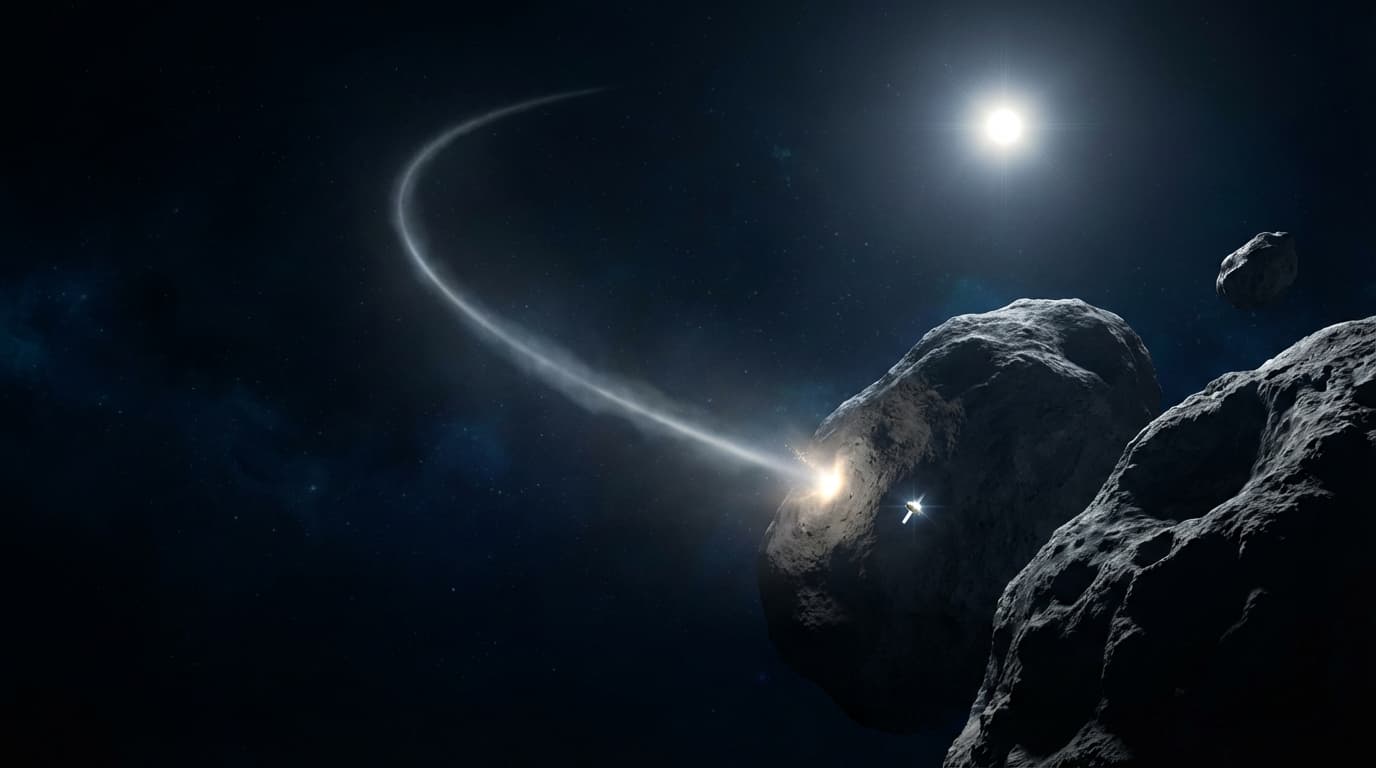
A new study in Science Advances confirms that NASA's DART mission successfully shifted the heliocentric orbit of the Didymos-Dimorphos asteroid system. This marks the first time humanity has intentionally altered the orbital path of a celestial body around the Sun, providing a critical validation for planetary defense.
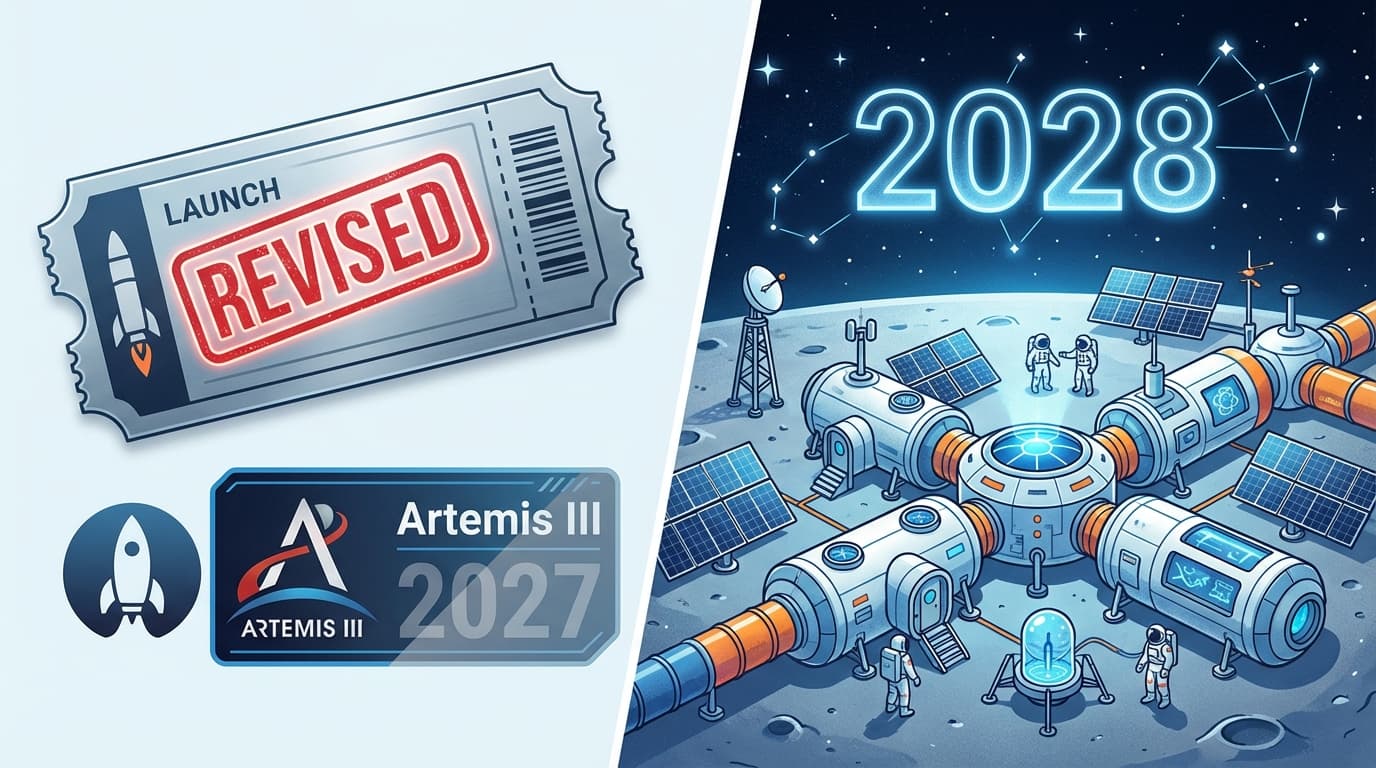
NASA has scrapped its planned 2027 lunar landing, re-tasking Artemis III for Low Earth Orbit tests. Under new Administrator Jared Isaacman, the agency is pivoting to a dual-mission strategy for 2028, prioritizing technical readiness for spacesuits and docking procedures to ensure a more successful and sustainable return to the Moon.
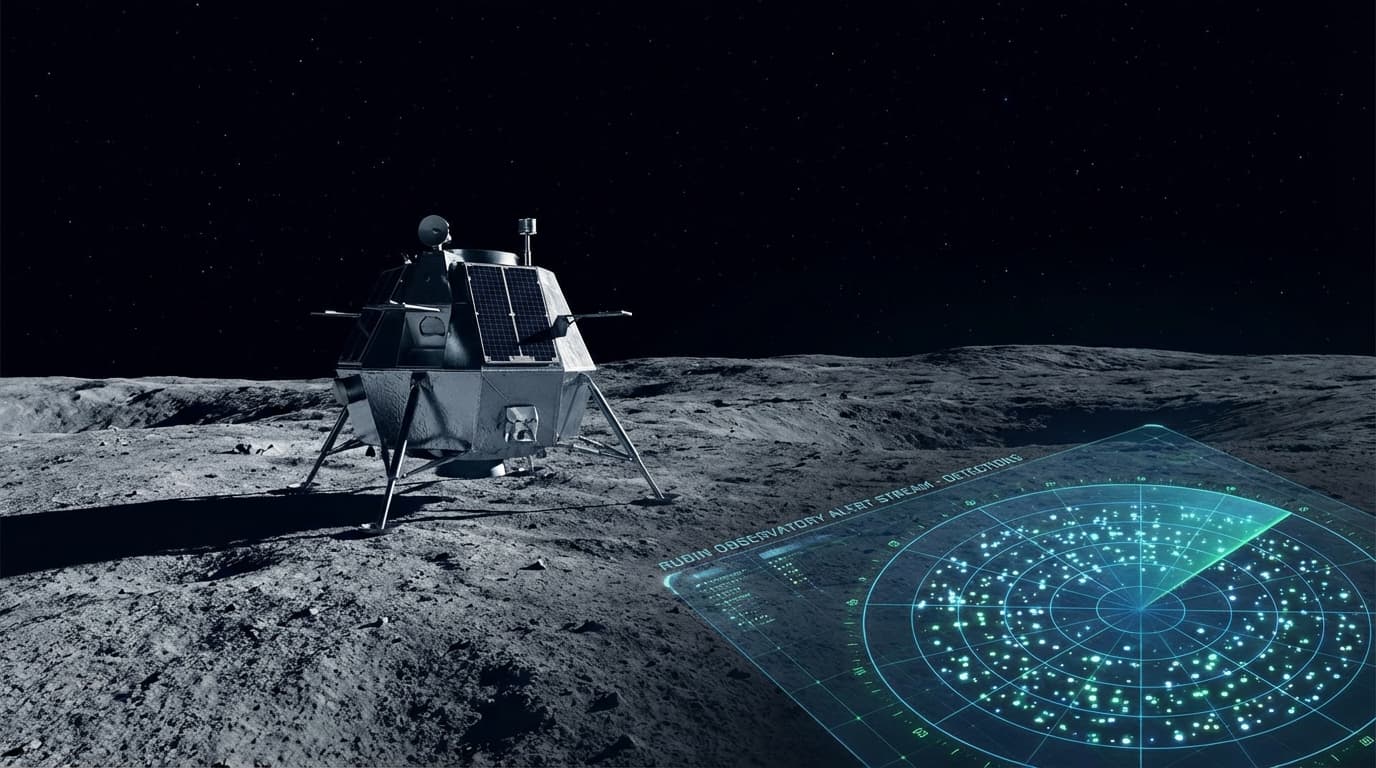
NASA has officially delayed the Artemis manned Moon landing to 2028 due to technical challenges with the heat shield and landing systems. Under Administrator Jared Isaacman, the agency is shifting toward a more commercial approach to speed up development. Meanwhile, the Vera C. Rubin Observatory’s alert system has successfully launched, generating 800,000 alerts on its first night.
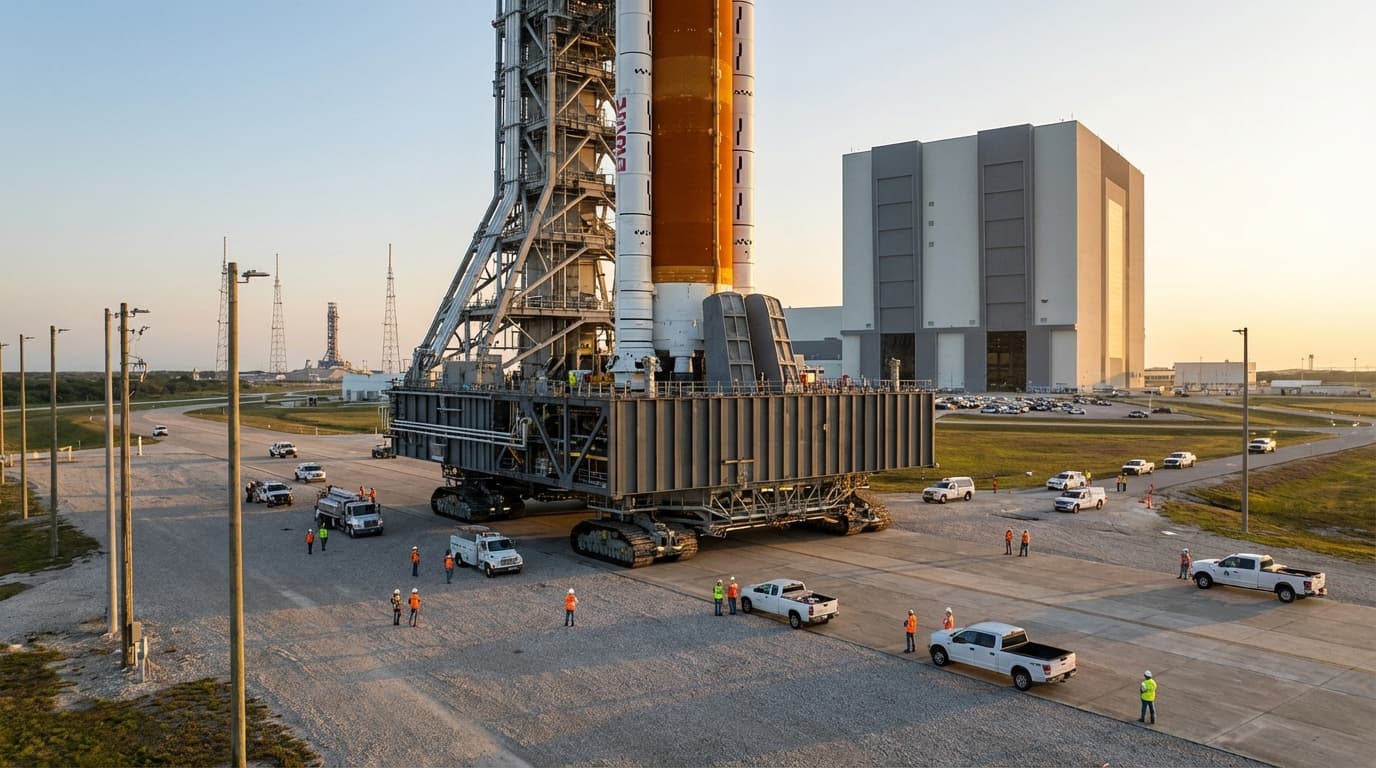
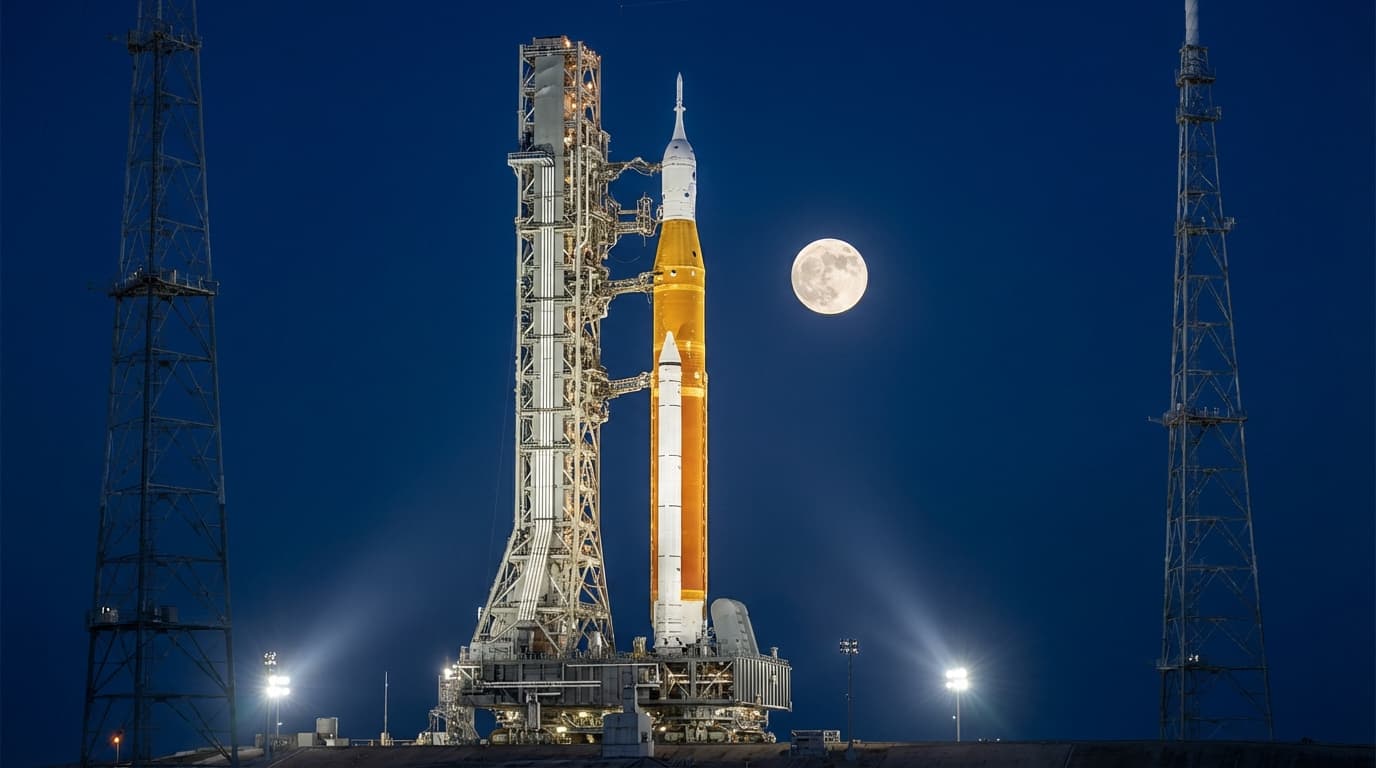
NASA has pushed back the highly anticipated Artemis II lunar mission from March to April 2026 due to a technical failure in the Space Launch System (SLS) rocket's helium flow. The rocket must be returned to the Vehicle Assembly Building (VAB) for repairs, highlighting the ongoing technical challenges in the mission.
NASA's SLS rocket cleared a major fueling test with no leaks, paving the way for the Artemis II crewed lunar mission to launch as early as March 6, 2026.