

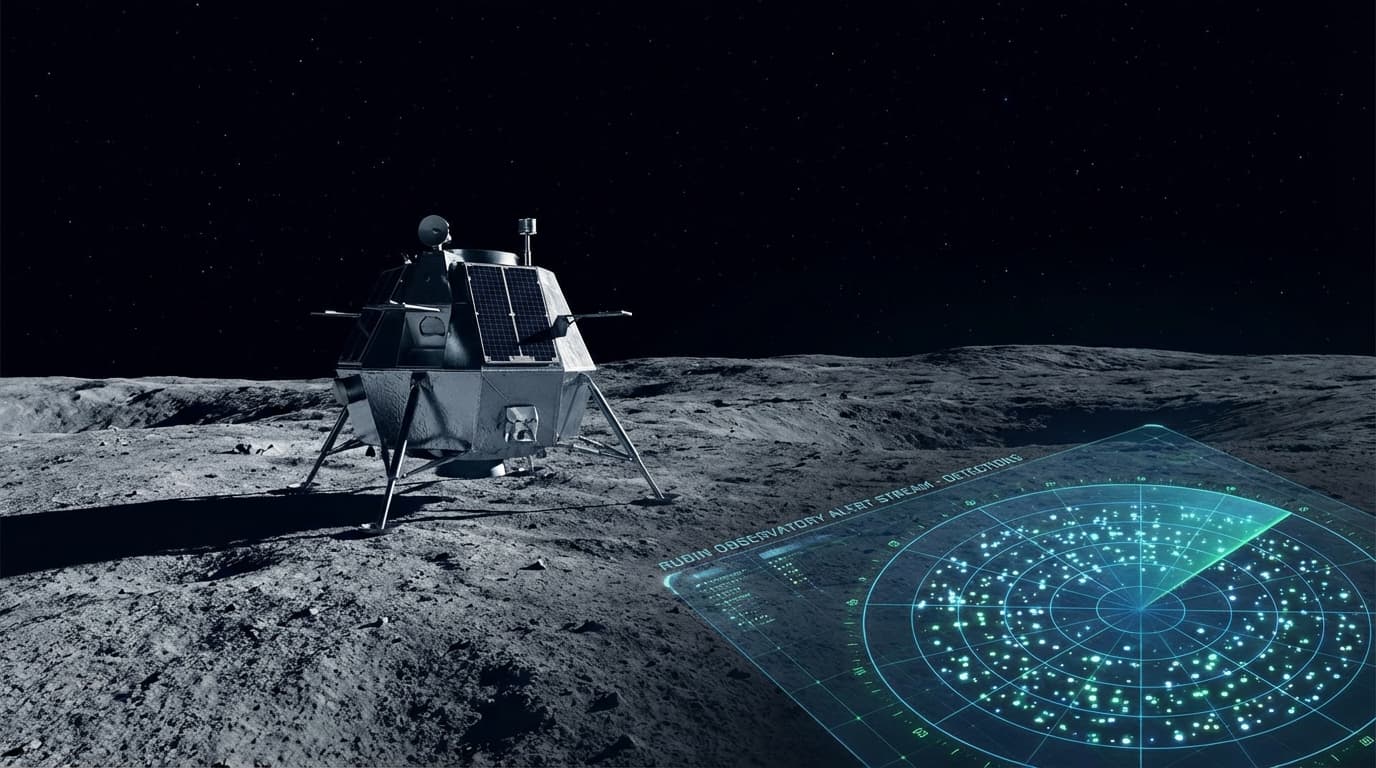
The Long Road to the South Pole: Technical Hurdles and Delays
NASA’s ambitions to return humans to the lunar surface have encountered a significant setback. The agency officially announced that the Artemis manned moon landing mission, originally slated for late 2026, has been pushed back to 2028. According to The Verge (2026), the delay stems from persistent issues with the Orion capsule's heat shield, complex life support system integration, and developmental delays in the Human Landing System (HLS) being built by commercial partners.
While the news is a blow to American lunar aspirations, it highlights the rigorous safety standards required for deep-space travel. NASA Administrator Jared Isaacman emphasized that rushing the mission would risk lives and jeopardize the long-term sustainability of the entire Artemis program.
Jared Isaacman’s Commercial Overhaul
Administrator Jared Isaacman, who brings years of private spaceflight experience from his missions with SpaceX, is actively reshaping NASA’s approach to mission management. According to Wired (2026), Isaacman is banking on a more decentralized, commercially driven strategy. By moving away from rigid, cost-plus government contracts and toward performance-based milestones for private companies, Isaacman aims to bring the iterative speed of Silicon Valley to the Artemis program. This revamp, while causing short-term scheduling shifts, is expected to make the 2028 landing more robust and cost-effective.
Astronomy in Overdrive: The Rubin Observatory’s 800,000 Pings
Amidst the Artemis delays, NASA’s robotic exploration and observational science programs are achieving unprecedented success. The Vera C. Rubin Observatory in Chile recently launched its alert system, which generated a staggering 800,000 pings on its very first night of operation. As reported by The Verge (2026), this high-cadence sky survey is designed to detect transient events like passing asteroids, supernovae, and variable stars in real-time.
This data stream is a goldmine for planetary defense and our understanding of the dark universe. The Rubin Observatory acts as a "cinematic camera" for the cosmos, providing the scientific community with more data in a single night than previous telescopes provided in years. This success mitigates the disappointment of the Artemis delay by proving that human knowledge of the universe is expanding faster than ever through automation and AI analysis.
The Geopolitical Context: The New Lunar Race
The delay to 2028 has significant geopolitical implications. China’s lunar program continues to meet its internal milestones, with an aim to land taikonauts at the lunar south pole by the end of the decade. Analysts worry that the two-year delay could narrow the lead the U.S. currently holds in establishing the international legal framework for lunar resource extraction and long-term habitation. Isaacman’s new strategy must not only solve technical problems but also maintain American leadership in a rapidly intensifying space race.
What to Expect in 2028
The revised 2028 timeline allows NASA to focus on the "Gateway"—a planned space station in lunar orbit that will serve as a hub for both human and robotic missions. This shift suggests that the 2028 landing will be part of a larger, more permanent infrastructure project rather than a one-off "flags and footprints" mission. The extra time will be used to perfect the complex dockings and refueling operations required for a sustainable human presence on the Moon.