Incoming CEO John Ternus Signals a Shift Back to Apple's Hardware Roots
Incoming Apple CEO John Ternus brings a hardware-focused perspective, with analysts expecting him to prioritize integrating AI as a core component of future Apple hardware.
Incoming Apple CEO John Ternus is expected to shift Apple's focus back to hardware-first innovation while facing the critical challenge of launching a market-defining AI product.
Google previews its 8th-gen TPUs, optimized for agentic AI workloads, aiming to reduce hardware dependency while offering new air-gapped, private deployment options for enterprises.
Tesla reports Q1 2026 profitability with $22.4B revenue, but Elon Musk confirms that approximately 4 million vehicles with Hardware 3 computers will not receive unsupervised Full Self-Driving (FSD).
Framework has unveiled the Laptop 13 Pro, a premium, modular laptop with a full aluminum chassis and high-end processors, specifically designed to meet the rigorous demands of professional Linux developers.
Framework launches the Laptop 13 Pro, featuring a solid aluminum body and premium hardware to serve as a high-end, modular alternative for Linux users.
Global DRAM shortages are expected to persist, with production meeting only 60% of demand by 2027 and supply constraints potentially lasting until 2030 due to high AI demand.
AI chip startup Cerebras has filed for an IPO, generating significant market interest based on its massive $10 billion contract with OpenAI and partnerships with AWS, while facing scrutiny over supply chain concentration.
AI chip startup Cerebras has officially filed for an IPO, following major infrastructure agreements with Amazon Web Services and a multi-billion dollar deal with OpenAI.
Schematik is emerging as a 'Cursor for hardware,' using AI to simplify the process of coding physical devices and accelerating product development cycles for hardware startups.
Intel is updating its non-Ultra Core CPU lines with new silicon, bringing latest technical advancements to mainstream processors for the first time in recent years.
Microsoft is discontinuing its Surface Hub collaborative display series and canceling the Surface Hub 4, marking a strategic pivot in its hardware and enterprise collaboration portfolio.
Microsoft has increased the prices of its Surface Pro 11 and Surface Laptop 7 by $500, citing the ongoing global RAM shortage. The starting price has shifted from $999 to $1,499.
Colorado's Fair Repair Act is facing stiff opposition and lobbying from major tech companies. The firms are using legal maneuvers and copyright arguments to limit consumer repair rights, sparking a debate on true product ownership.
Sony has suspended orders for major memory card lines due to global supply constraints, highlighting ongoing bottlenecks in the semiconductor and NAND Flash industries that threaten to disrupt professional imaging workflows.
Apple has removed its 'cheese grater' Mac Pro workstation from its website, signaling the final end of a product line that has been a staple for professional users since 2006.
Arm has broken its 35-year tradition of only licensing chip designs to launch its first in-house AI inference CPU, with Meta as the first customer.
The US FCC has banned the import of foreign-made consumer routers, citing national security concerns, a move that is expected to significantly impact global technology supply chains.
Gimlet Labs has raised $80 million in Series A funding to tackle AI inference bottlenecks by allowing models to run across diverse hardware architectures simultaneously.
Amazon is investing $50 billion in OpenAI and expanding its custom 'Trainium' AI chip strategy. With major adopters like Apple and Anthropic, Amazon is leveraging vertical integration to strengthen its AI cloud infrastructure.
Elon Musk has unveiled 'Terafab,' a joint Tesla and SpaceX facility in Austin, Texas, aimed at scaling the production of proprietary AI and robotics chips.
Amazon is reportedly developing an AI-centric smartphone integrated with Alexa to strengthen its mobile ecosystem, though analysts remain skeptical about its chances in a market dominated by incumbents.
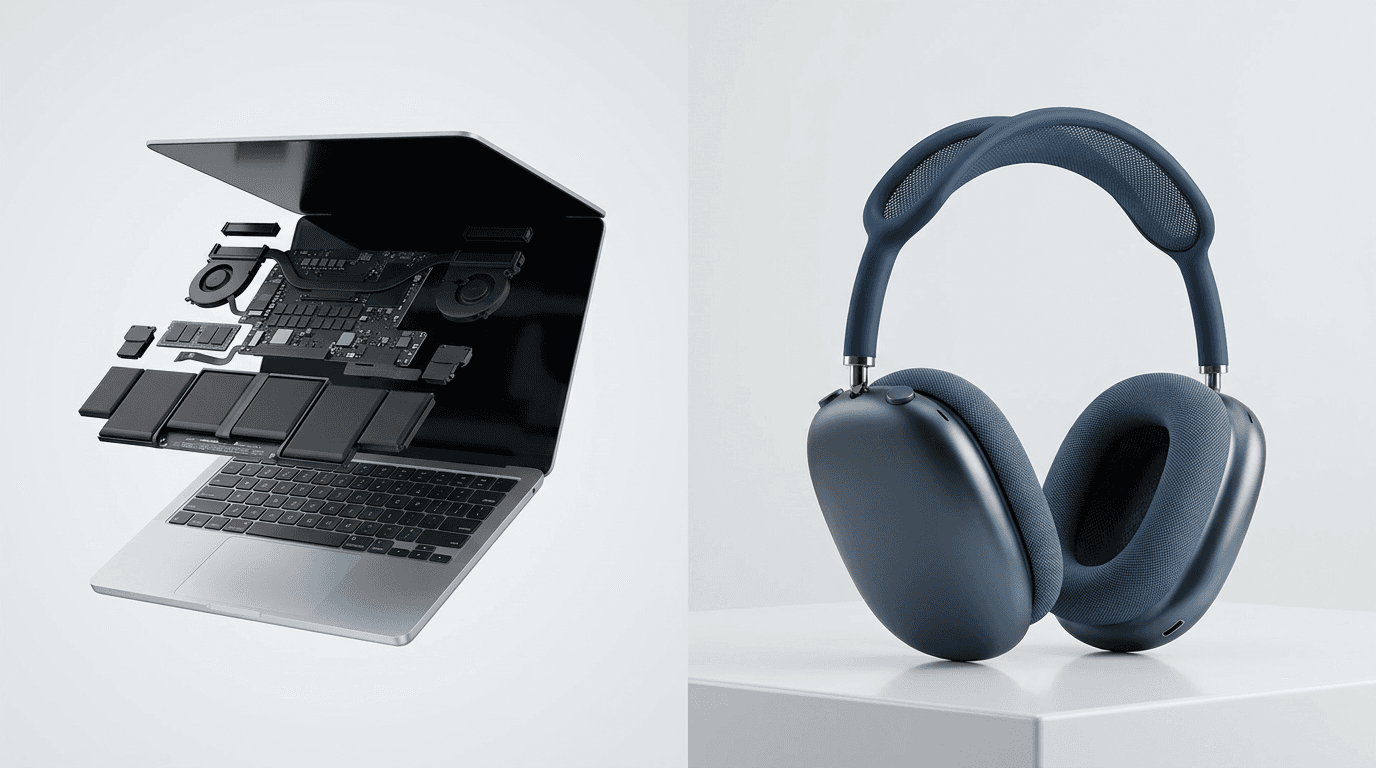
Apple introduced the MacBook Neo this week, praised by iFixit as its most repairable laptop in 14 years due to its modular design. Concurrently, the AirPods Max 2 debuted quietly with the H2 chip for enhanced ANC and a USB-C port. Apple also acquired MotionVFX, a top video plugin developer, to bolster its professional creative ecosystem.
The semiconductor industry is shifting to glass substrates, with Absolics planning commercial production to power next-gen AI chips. Apple has introduced the MacBook Neo, its most modular laptop yet, while Intel launched its fastest gaming processors. Research from 2026 highlights that 'continuous batching' software combined with these hardware gains can boost efficiency by 20%.
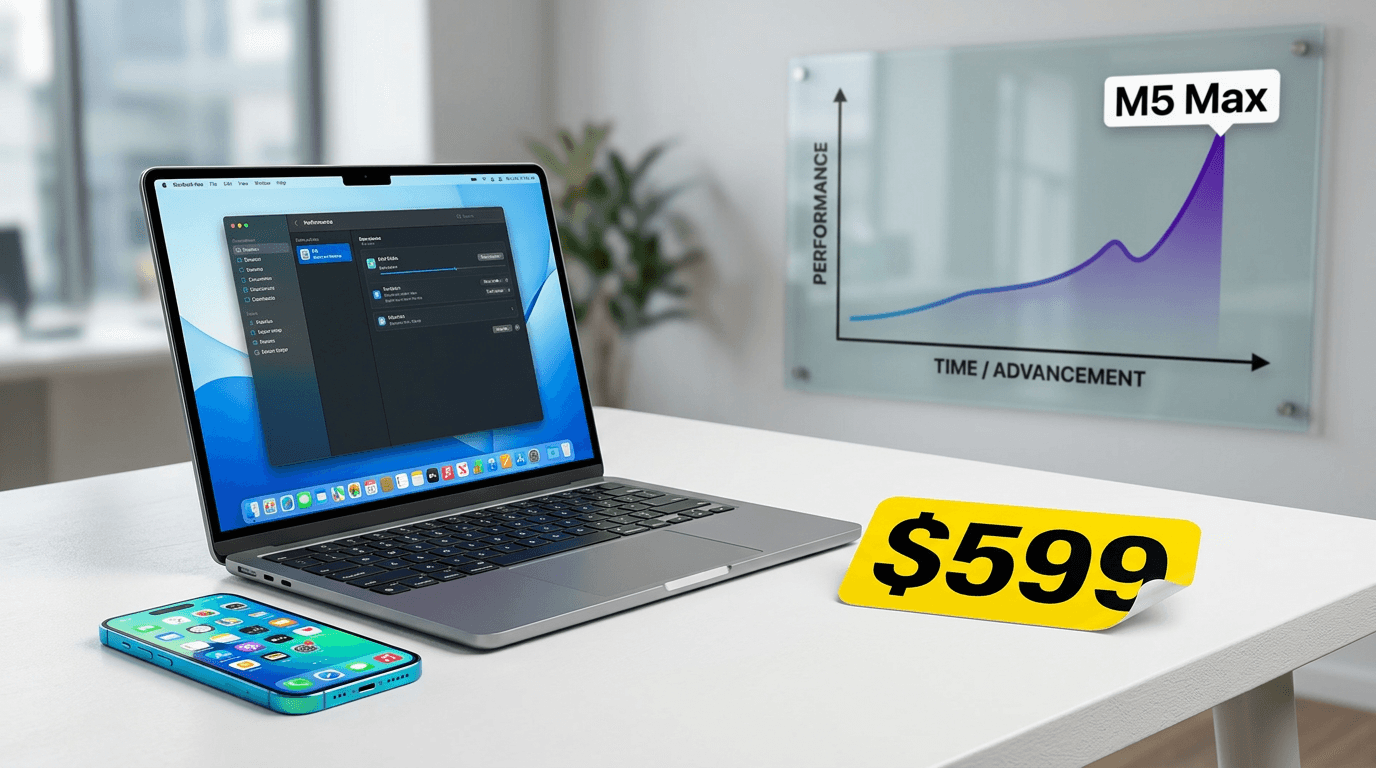
Apple has launched its most affordable hardware yet: the $599 MacBook Neo and the iPhone 17e, signaling a major move into the budget market. Simultaneously, the flagship M5 Max chip demonstrated massive performance gains in benchmarks. With one in four iPhones now made in India, Apple’s supply chain shift is enabling more competitive pricing for mass consumers.
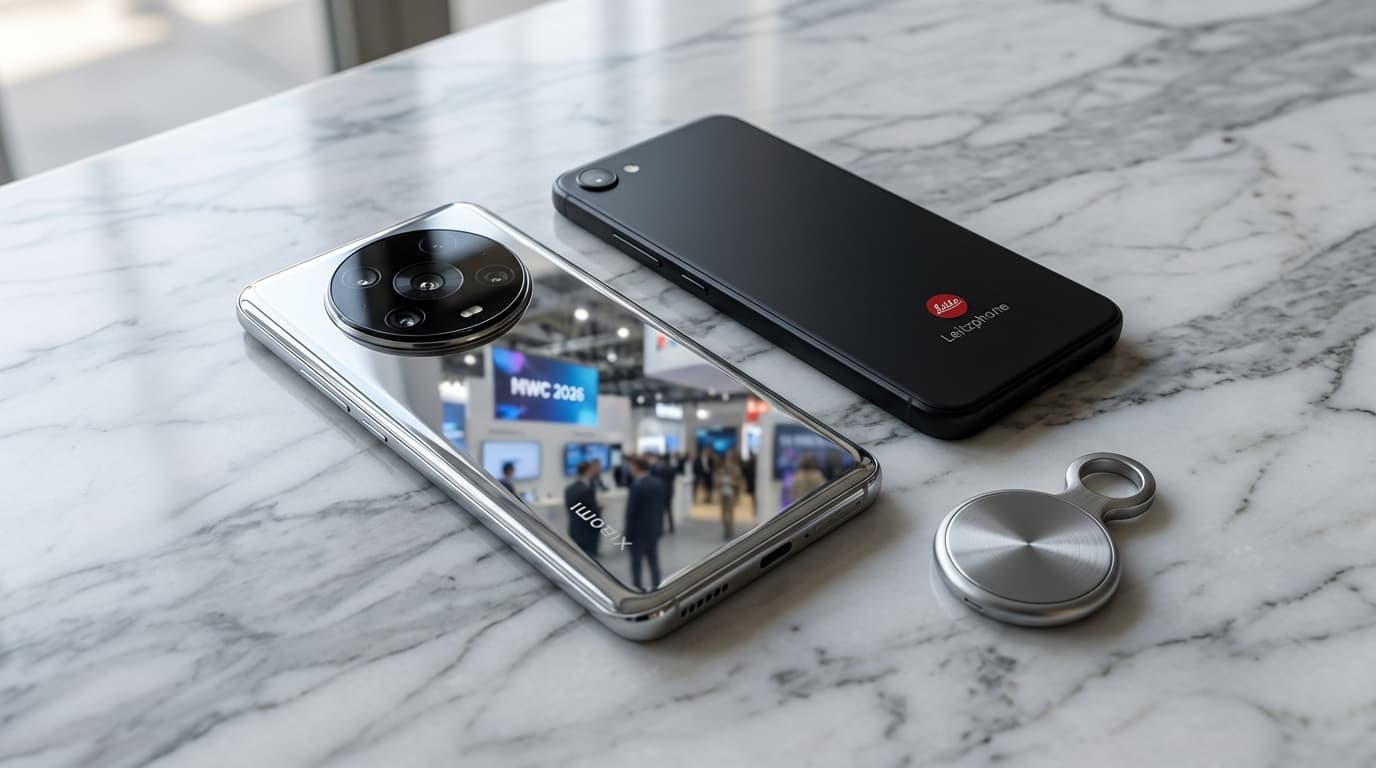
At MWC 2026, Xiaomi launched the 17 Ultra flagship and the first international Leica Leitzphone. Alongside these premium smartphones, Xiaomi introduced the Xiaomi Tag tracker and an ultra-slim power bank, marking an aggressive move into the high-end global market and expanding its hardware ecosystem.