

Ambition Beyond GPU: Nvidia's CPU Offensive
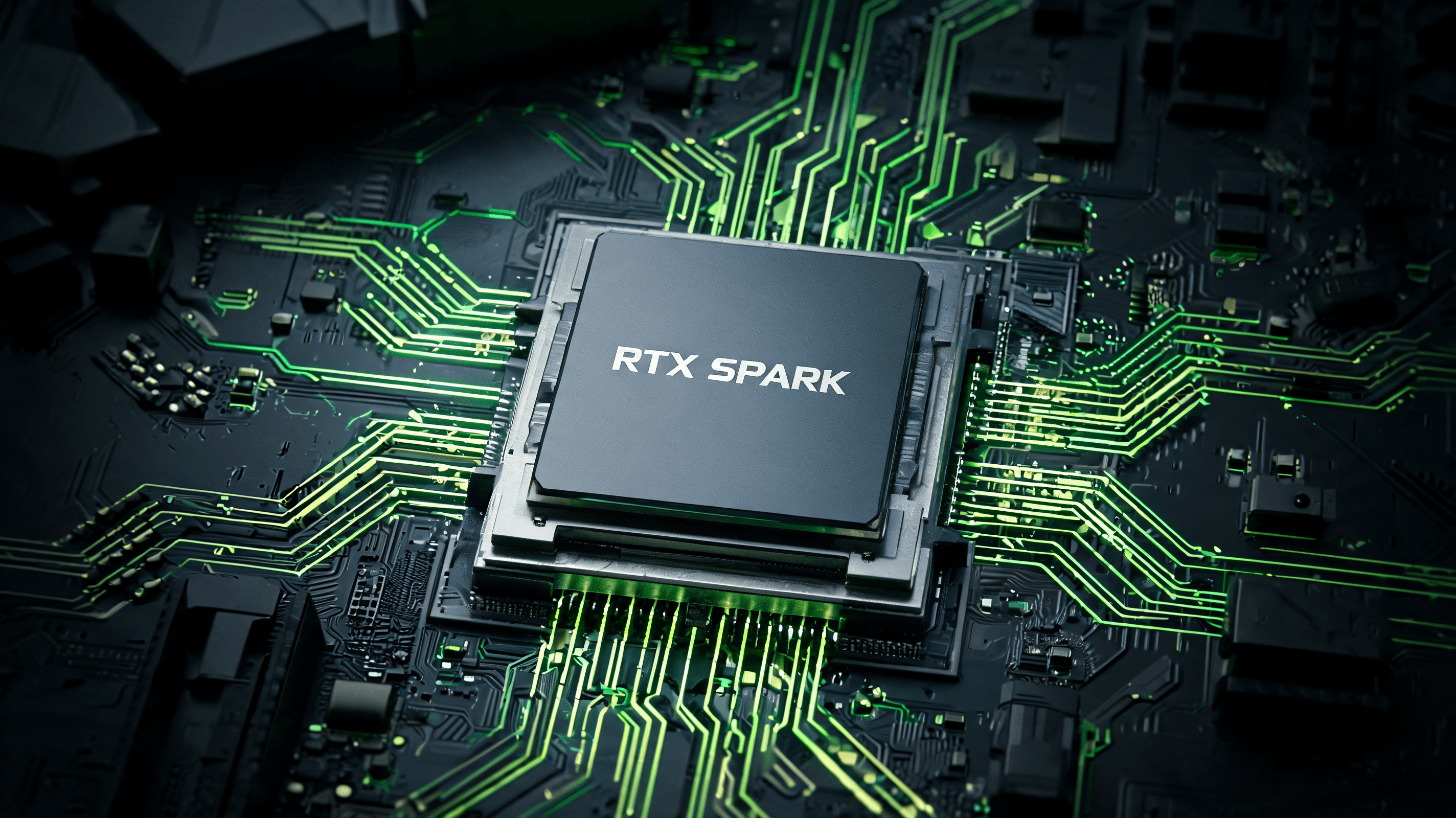
While Nvidia's hegemony in the GPU market is undisputed, the company is now making a bold move into the $200 billion CPU sector. Through strategic partnerships with industry leaders like Microsoft, Dell, and HP, Nvidia has unveiled a new PC architecture specifically designed for AI agents, headlined by the 'RTX Spark' series, which the company claims is the 'most efficient PC chip ever built.' This move represents more than just a product launch; it is a strategic maneuver to leverage Nvidia's data center AI prowess and transplant it into the endpoint device market.
Technical Highlights of the RTX Spark Series
The RTX Spark N1 and N1X series integrate Nvidia's cutting-edge compute architecture with dedicated AI engines. These chips enable thin-and-light laptops and desktop systems to run complex AI models locally, supporting resource-intensive multitasking for AI agents. By collaborating with Microsoft and various OEMs, Nvidia aims to deliver enhanced processing speeds while prioritizing localized data privacy and low-latency performance—key advantages that cloud-only AI deployments currently struggle to achieve.
Market Reception and Competitive Landscape
Analysts note that Nvidia is launching a direct offensive against incumbent CPU giants like Intel and AMD. Although Nvidia is a challenger in the CPU space, its robust software ecosystem—led by CUDA and advanced platforms for AI agent development—provides an unparalleled competitive environment for these new chips. As reported by TechCrunch, market sentiment toward these AI-agent-ready systems is high, with many predicting that they could catalyze a significant hardware upgrade cycle among consumers and enterprises alike.
Evolving PC Trends
As AI agents become the standard interface for operating systems and applications, PC hardware requirements have evolved from raw CPU speed to 'compute density.' Through the RTX Spark series, Nvidia is setting a new benchmark: balancing generative AI performance with extreme power efficiency.
What to Watch: Hardware-Software Synergy
In the coming months, industry participants will be watching for several key indicators:
- The speed of OEM product line refresh cycles and initial sales performance from partners like Dell and HP.
- The extent of software optimization for the RTX Spark architecture within Microsoft’s Windows ecosystem.
- The acceptance rate among the developer community for migrating AI agent functionality toward endpoint and edge computing.
Nvidia’s entry into the CPU market is a clear intention to plant an AI 'brain' into PC hardware. For consumers, the future laptop may no longer be just an information browsing tool, but a portable personal AI assistant. This is a defining competition for the next generation of PC hardware, and Nvidia has positioned itself at the center of the race.