
Introduction: Balancing Innovation and Sustainability
For years, Apple’s products have been at the center of the "Right to Repair" controversy due to their difficult-to-fix designs. However, in March 2026, the tech titan appears to be shifting its hardware strategy. This week, Apple officially introduced the long-rumored "MacBook Neo," a budget-friendly laptop that has earned unprecedented praise from the teardown experts at iFixit for its repairability. Simultaneously, the highly anticipated AirPods Max 2 debuted quietly after a five-year wait, signaling a calculated strategy for different segments of Apple's vast product portfolio.
MacBook Neo: A Benchmark for the Right to Repair
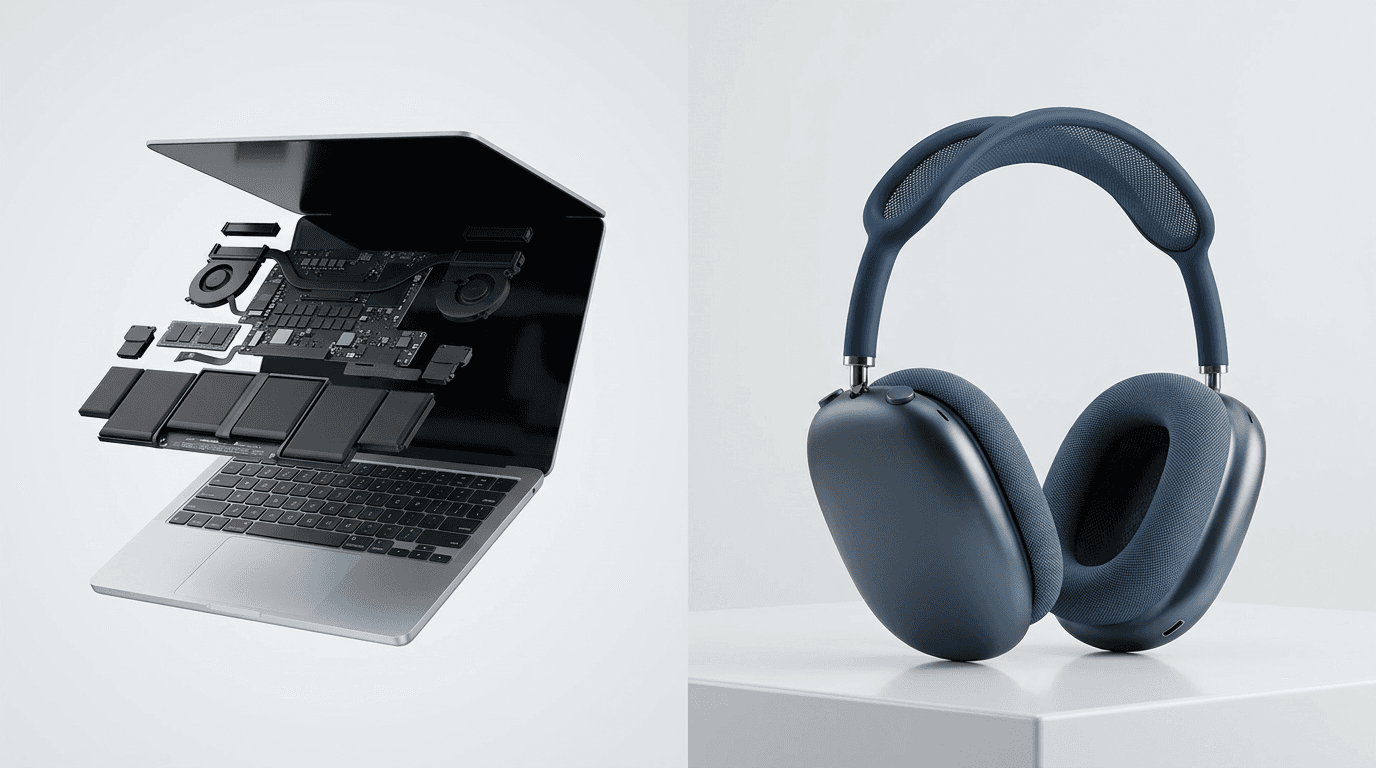
According to TechCrunch, the MacBook Neo is not only the most affordable entry in the current MacBook lineup but also the most repairable Apple laptop in approximately 14 years. iFixit’s latest teardown highlighted the device's modular battery design and reduced reliance on permanent adhesives. This is a radical departure from Apple's previous internal layouts, which were often criticized as disposable hardware.
This shift is widely interpreted as a response to global legislative pressure regarding consumer rights and environmental sustainability. By making parts easier to replace, Apple can lower warranty costs while appealing to the education sector and eco-conscious consumers. Industry analysts suggest that if the Neo’s design principles migrate to the Pro models, it would represent a historic pivot in Apple's engineering philosophy.
AirPods Max 2: Technical Upgrades Five Years in the Making
In the premium audio space, Apple has finally refreshed its flagship over-ear headphones. Ars Technica reports that the AirPods Max 2 launched this week with a price tag of $549. The primary upgrade is the integration of the H2 chip, which provides a significant boost to Active Noise Cancellation (ANC) performance and enables new features like "Conversation Awareness" and real-time live translation.
While the physical design remains largely unchanged—much to the chagrin of some long-term fans—the move to a USB-C charging port aligns the device with global regulatory standards. Despite the quiet launch without a major press event, the acoustic improvements and H2-driven features solidify Apple's technological wall against competitors like Sony and Bose. The "soft launch" suggests Apple is focusing its marketing might on more strategically critical AI and spatial computing announcements.
Expanding the Creative Ecosystem: The MotionVFX Acquisition
Beyond consumer hardware, Apple is strengthening its grip on the professional creative market. TechCrunch reports that Apple has acquired MotionVFX, a market leader in high-quality plugins for video editing. Known primarily for its sophisticated motion graphics tools for Final Cut Pro, the acquisition is seen as a direct move to better compete with Adobe Premiere Pro and the Adobe Creative Cloud suite.
This integration means Final Cut Pro users can expect more seamless access to professional-grade effects. Combined with the performance-to-price ratio of the MacBook Neo, Apple is building a comprehensive empire that serves everyone from student creators to elite film editors.
Industry Impact and Market Feedback
Apple’s recent maneuvers reflect a keen awareness of shifting market dynamics. In regions like California, discussions surrounding digital rights and repairability are at an all-time high, making the MacBook Neo a timely release. Meanwhile, in the high-end audio market, Apple continues to leverage the synergy of its silicon—specifically the H2 chip—to maintain a premium user experience that is difficult to replicate outside its ecosystem.
Looking forward, the tech community is watching to see if this newfound love for repairability will extend to the iPhone 18 or upcoming iPad releases. For users, this implies longer device lifespans and lower maintenance costs; for the industry, it signifies that Apple is adding "sustainability and openness" to its formidable list of competitive advantages.