

Apple's Strategic Shift to Mass Markets
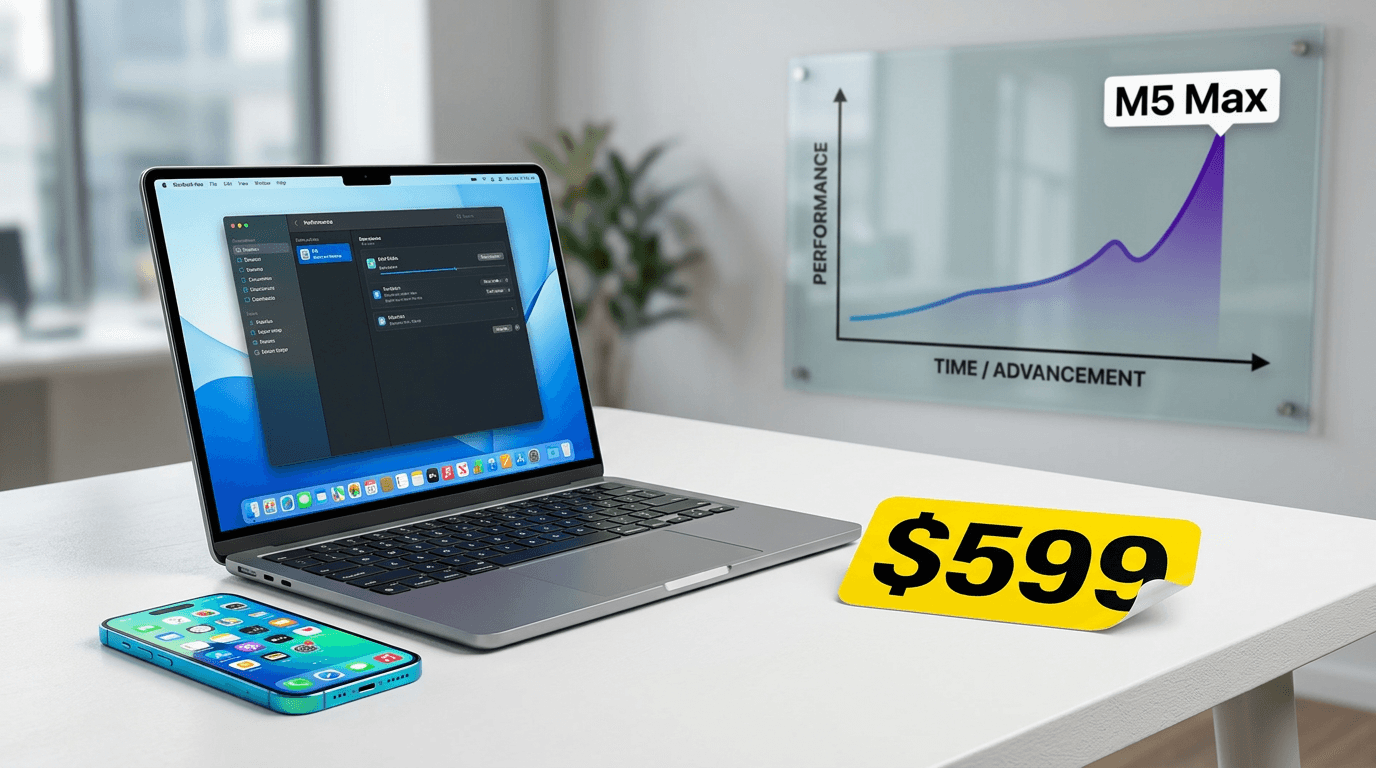
On March 10, 2026, Apple officially unveiled a series of highly anticipated budget-friendly hardware, including the $599 MacBook Neo and the new iPhone 17e. This marks a major pivot for the tech giant, moving from a laser focus on premium, high-margin professional markets to a strategy of capturing students and budget-conscious consumers. According to Wired, the MacBook Neo is the most affordable laptop in Apple's history. While certain hardware trade-offs were made, its core performance remains impressive for its price point.
MacBook Neo: An iPhone Processor Inside a Laptop?
An in-depth review by Ars Technica highlights that the MacBook Neo's most intriguing feature is its internal architecture. To lower costs, this model reportedly utilizes processor technology similar to high-end iPhones (rumored to be a variant of the A-series). Although the 8GB of RAM has been a point of criticism among enthusiasts, the machine demonstrates remarkable efficiency for daily tasks, web browsing, and light video editing. The review notes that Apple "cut corners in the right places," utilizing a lighter chassis and simplified screen backlighting while retaining the industry-leading trackpad and exceptional battery life.
iPhone 17e and a Diversified Lineup
The simultaneous launch of the iPhone 17e completes the iPhone 17 family. This model is designed for practical users who don't require triple-lens cameras or titanium frames. Positioned alongside the ultralight iPhone Air and the high-end iPhone 17 Pro, the 17e offers significant value. Wired’s buying guide suggests that for most budget-conscious buyers, the iPhone 17e is the definitive choice right now, whereas power users should focus on the newly released M5-series chips.
High-End Contrast: M5 Max Benchmarks
While expanding its budget offerings, Apple has not slowed its pursuit of technical excellence. The 2026 16-inch MacBook Pro, featuring the M5 Max chip, set new records in performance testing. According to Ars Technica, the "performance cores" in the M5 Max are not just iterative upgrades but represent a complete architectural overhaul. Benchmarks reveal that the M5 Max offers a massive leap in professional rendering and large-scale AI model training compared to the M2 series from three years ago. This confirms Apple's "polarized" strategy: using budget products to lock in market share while utilizing flagship power to maintain its technological moat.
Market Reaction and Trends
Google Trends data shows that search interest for "MacBook Neo Review" spiked to 95 in both the US and Taiwan following the release. This underscores the intense consumer demand for "affordable Apple." Furthermore, trends regarding "iPhone production in India" are also notable. TechCrunch reports that one in every four iPhones is now manufactured in India, with production reaching 55 million units last year. This acceleration of supply chain diversification allows Apple to manage costs more effectively and mitigate geopolitical risks.
Conclusion: Apple’s New Blueprint
Apple’s recent product launches provide a clear view of its growth path for the next three years. By attracting Chromebook and low-cost Windows users with the $599 MacBook Neo, while simultaneously pushing the limits of silicon performance, Apple is widening its reach. As the proportion of Indian manufacturing grows, Apple gains more flexibility in pricing, explaining why a brand once synonymous with high prices is now embracing the entry-level market. For consumers, 2026 is officially the year the barrier to entry for the Apple ecosystem fell to its lowest point.