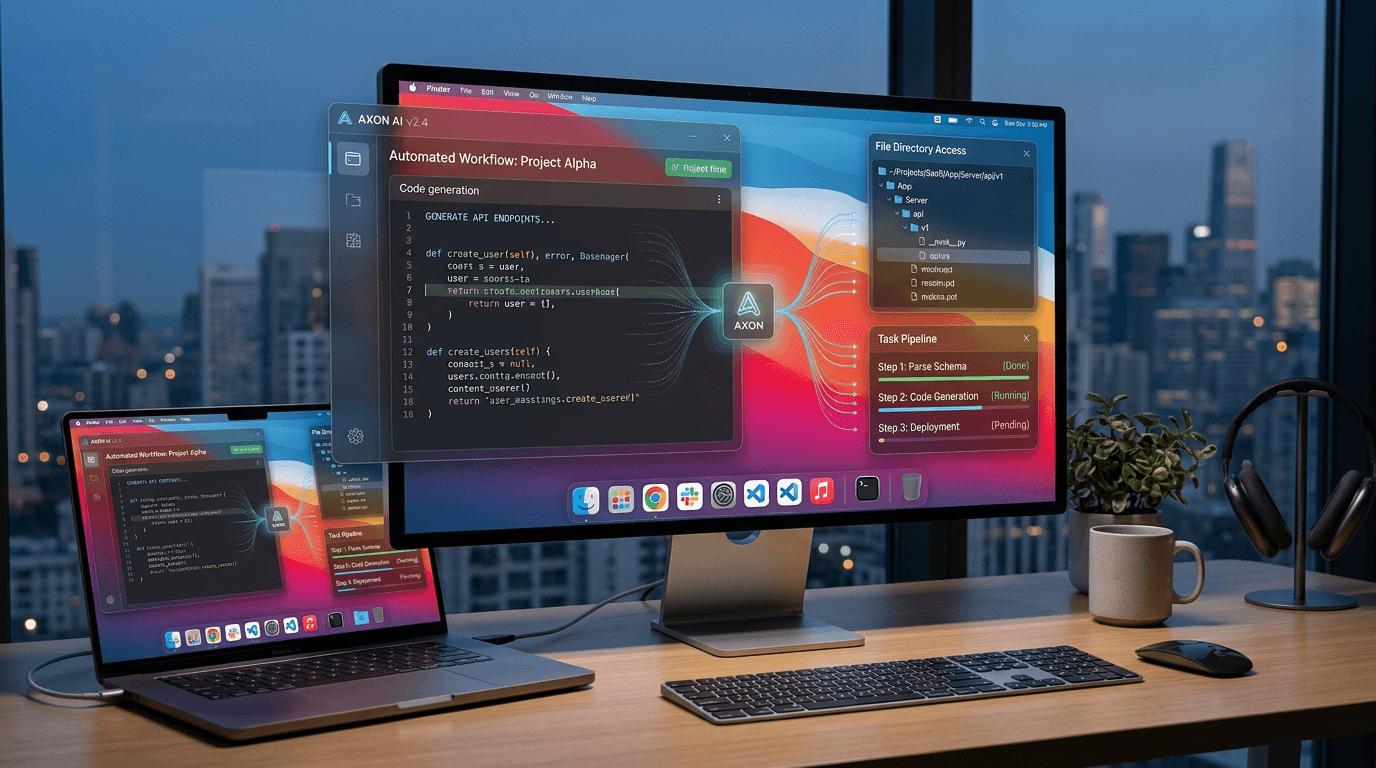
OpenAI Overhauls Codex Desktop App into Agentic Super App
OpenAI has overhauled its Codex desktop application, transforming it into an agentic 'Super App' capable of interacting with other computer programs and executing background tasks.
The tech industry is shifting from chatbots to AI agents. Adobe and Anthropic have released advanced tools for workflow automation and cross-app collaboration, though enterprises must still manage reliability challenges during deployment.
Google Chrome's new 'Skills' feature allows users to save and reuse Gemini prompts, standardizing AI workflows and significantly improving productivity for both professional and casual users.
A 2026 industry report reveals that 43% of AI-generated code requires debugging after deployment, fueling a debate among tech leaders about the efficacy and reliability of AI coding assistants.
Tech giants are integrating AI into consumer workflows, with Google introducing reusable 'Skills' in Chrome and Microsoft releasing a lower-cost, high-speed image model to secure its stake in the AI stack.
Autonomous AI agents like Block's Managerbot, Poke, and OpenClaw are replacing simple chatbots, proactively managing enterprise workflows. This shift to agentic AI is accelerating automation but also triggering debates over workplace roles, productivity, and the path to AGI.
Enterprises are moving beyond fragmented AI pilots toward scalable production results. Firms like MassMutual are achieving significant productivity gains, while new AI agents like those from NeuBird are addressing the complexity of modern cloud infrastructure.
Salesforce has introduced its most significant Slack update to date, featuring 30 new AI-powered tools that transform Slackbot into an active enterprise agent for cross-platform task management.
Salesforce has introduced 30 AI features to Slack, elevating Slackbot to an 'Enterprise AI Agent' capable of cross-platform task automation and meeting management, signaling a shift toward agent-led productivity.
AI agent tools are revolutionizing software development by enabling product managers to ship code, drastically increasing team throughput and forcing a rethink of organizational structures.
The software industry is undergoing structural shifts due to AI. Reports highlight drastic productivity gains enabling smaller teams, a blurring of roles between PMs and engineers, and ongoing concerns regarding AI-justified mass layoffs.
Generative AI is blurring traditional software development boundaries, enabling product managers to deploy features independently. This 'AI-first' model drives significant productivity gains but requires enterprises to rethink organizational structures and quality control processes.
AI tools are breaking traditional software development org charts as non-traditional roles like PMs directly contribute to code shipping, leading to reported productivity gains and the need for new, agile organizational structures.
Google has launched new tools allowing users to import chat history and 'memory' from other AI platforms into Gemini, streamlining the transition process for users switching services.
Anthropic launched 'Claude Code' and 'Cowork', tools allowing AI agents to autonomously control a user's computer; while increasing productivity, the company cautions they are in research preview.
AI is evolving from passive chatbots into active 'desktop operatives' capable of controlling local systems. Key moves include Perplexity's 'Personal Computer' agent and Gumloop's $50M funding for low-code agent builders. Research preprints from March 2026 emphasize the need for new security frameworks as AI gains local file access.
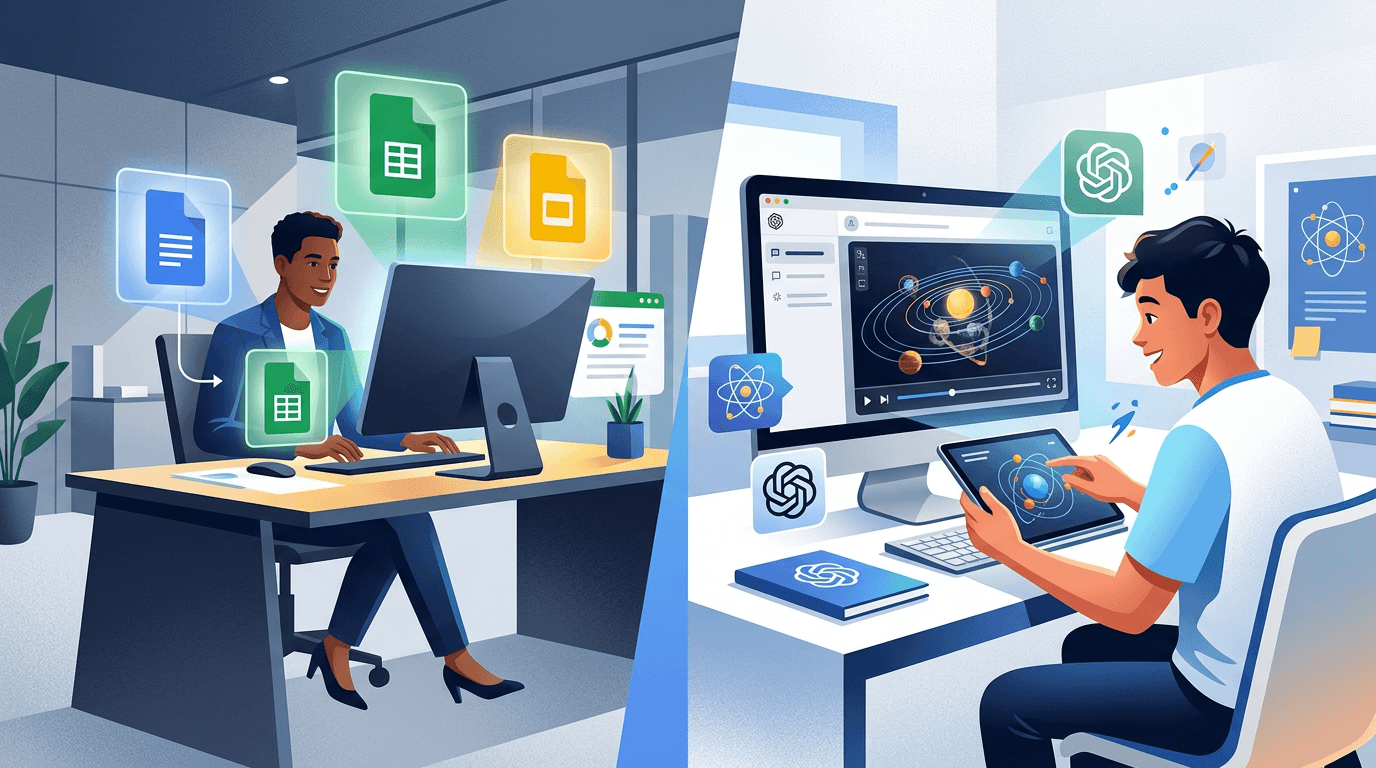
Google and OpenAI have launched significant productivity updates. Google Gemini now features multi-app integration within Workspace, while OpenAI introduced interactive visualizations for math and science in ChatGPT. Additionally, Google added a toggle to Google Photos allowing users to revert to classic search methods.