Tech Sell-off and Middle East Escalation Shake Global Markets
A tech sell-off and escalating tensions in the Middle East sparked severe volatility in global markets today, fueling safe-haven demand and driving up energy prices.
Saudi Arabia is scaling back its ambitious NEOM development project, setting aside $16 billion to cover the costs of terminating contracts, marking a strategic pivot toward more pragmatic fiscal management.
UK survey reveals 75% of workers have insufficient pension savings; current costs to maintain a moderate lifestyle reach £32,700 annually for individuals.
Saudi Arabia’s 'Vision 2030' project is facing financial strain as the Kingdom struggles to balance massive mega-project spending with current economic realities.
Diplomatic efforts between the US and Iran have reached a breakthrough, with a deal nearing completion to reopen the vital Strait of Hormuz, easing regional tensions.
As demand for AI compute surges, tech companies are repurposing decommissioned rural industrial sites into massive data centers, creating opportunities for tax revenue but raising questions about local economic impacts.
Nvidia CEO Jensen Huang argues that concerns about AI-driven job loss are overblown, asserting that the technology creates more high-value roles than it replaces.
After 34 years, Spirit Airlines has ceased operations due to doubled jet fuel prices, highlighting the fatal impact of geopolitical conflict on low-margin business models.
Spirit Airlines ceased operations on May 2, 2026, after 34 years of service, citing an unsustainable surge in jet fuel prices driven by regional conflict.
The Strait of Hormuz reopens after a ceasefire, but global shipping faces delays and legal tension over Iran's demand for cryptocurrency transit tolls.
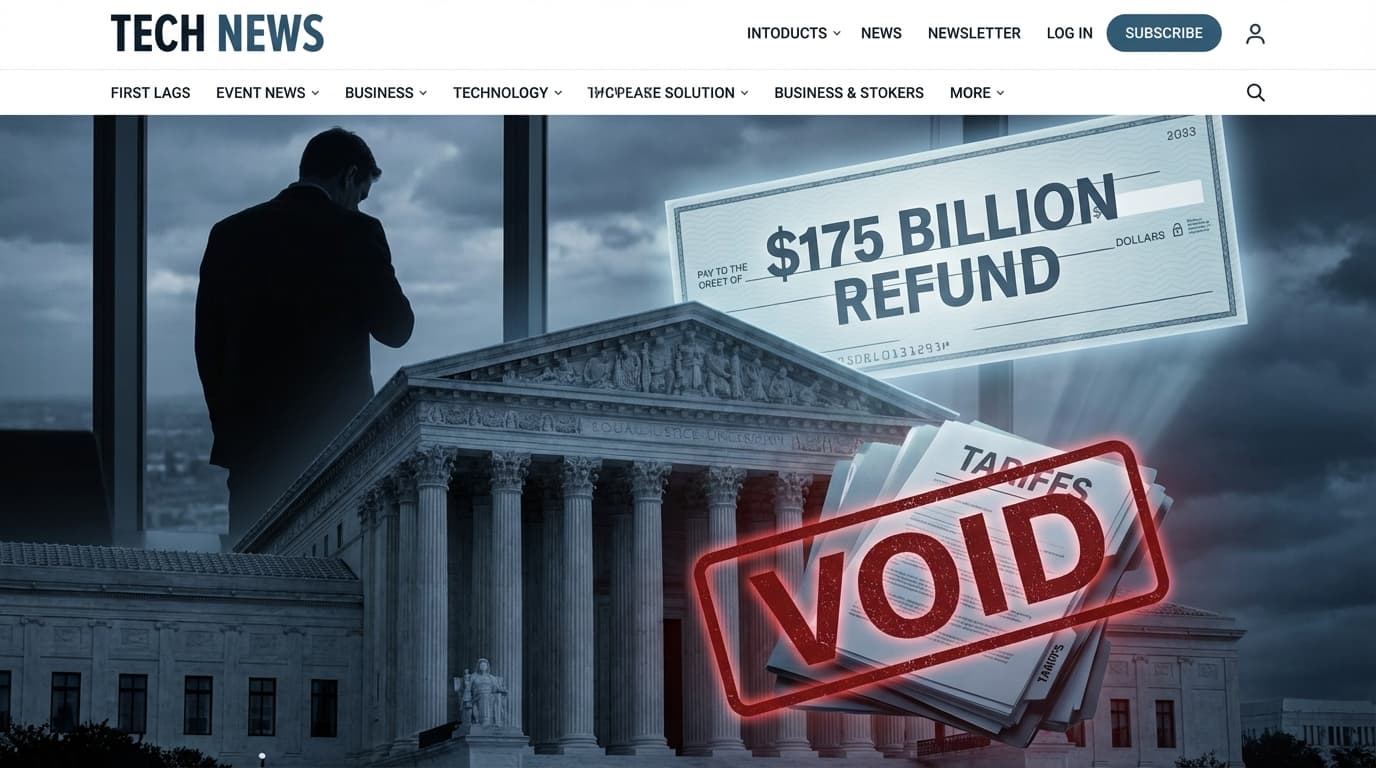
The US Supreme Court ruled 6-3 that Trump's emergency global tariffs under IEEPA are illegal. The ruling may trigger $175 billion in refunds and sets a precedent limiting executive power over trade.