The Rise of Deepfake Scams: The Digital Defense of Identity
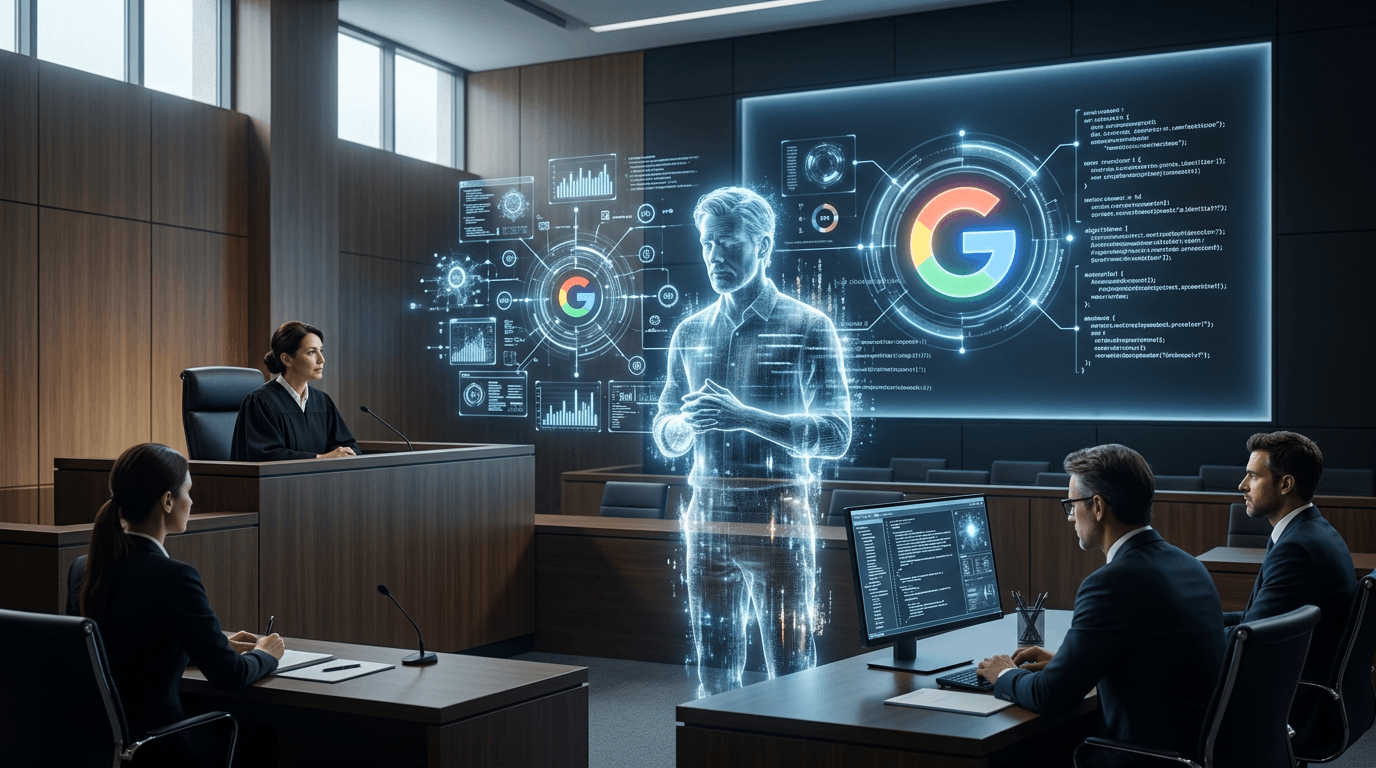
The surge of AI deepfake scams using celebrity likenesses to trick users has sparked a push for new legal protections for personal digital likenesses.
Google and Accel India selected only 5 startups from 4,000 applicants for their AI cohort, explicitly excluding 'AI wrappers' in favor of deep technology. Meanwhile, high enterprise AI failure rates are being attributed to cultural misalignment rather than technical flaws. Global interest remains peak, with Taiwan (67) leading California (54) in AI-related search trends.
Grammarly is facing a class-action lawsuit from journalist Julia Angwin over its 'Expert Review' AI feature, which allegedly used authors' identities and styles without permission. The company has disabled the feature, marking a critical legal standoff over identity rights and false endorsement in generative AI.
OpenAI is reportedly integrating its Sora video generator directly into ChatGPT to overcome engagement challenges seen with its standalone app. This strategic move aims to leverage ChatGPT's massive user base, creating a seamless multimodal experience where video generation is as simple as a text prompt. The integration is seen as a crucial step to compete with Google Gemini's multimodal capabilities while raising new questions about compute costs and content safety.