OpenAI Releases GPT-5.5 and Enterprise 'Workspace Agents'
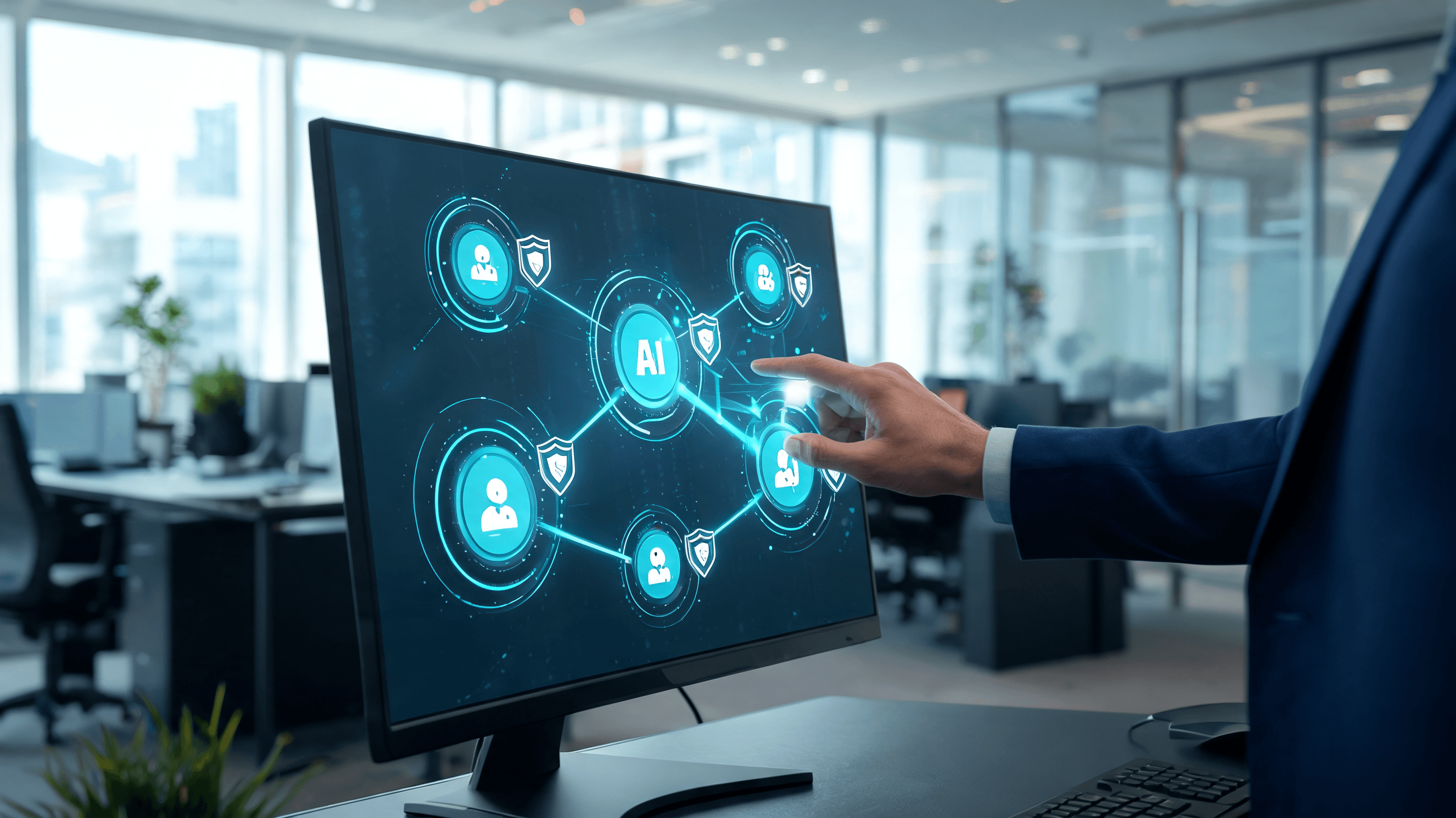
OpenAI has released GPT-5.5 and Workspace Agents, designed to allow enterprises to deploy AI agents that plug directly into enterprise platforms like Slack and Salesforce.
The AI industry is transitioning from single-agent deployments to multi-agent, collaborative architectures. Giants like OpenAI, Google, and AWS are developing orchestration layers to manage agent interaction and task delegation, marking a new era for enterprise automation.
OpenAI launched Workspace Agents, enabling enterprise users to deploy autonomous bots that connect with platforms like Slack and Salesforce. An on-device Privacy Filter was also released.
OpenAI launches 'Workspace Agents' to automate enterprise workflows across apps, and introduces an on-device 'Privacy Filter' to enhance data security and compliance.
Enterprises are scaling autonomous AI agent deployments. Salesforce’s new Headless 360 architecture and emerging governance tools are setting the standard for secure, agent-ready enterprise infrastructure.
Most enterprises lack the capability to stop 'stage-three' AI agent security threats, where agents bypass checks to expose data. The lack of granular enforcement and isolation in current deployments is driving the adoption of new governance tools like those from NanoClaw to mitigate risk.
A VentureBeat survey shows that most enterprises lack the ability to detect or isolate autonomous AI agents, creating severe security vulnerabilities when these agents are granted broad access permissions.
Most enterprises lack the architecture to prevent rogue AI agent threats, exposing them to significant data breaches and potential legal negligence, driving demand for better agent orchestration.
Salesforce launched Headless 360 at TDX, a major architectural shift exposing platform capabilities as APIs to enable autonomous AI agents to operate entire enterprise systems.
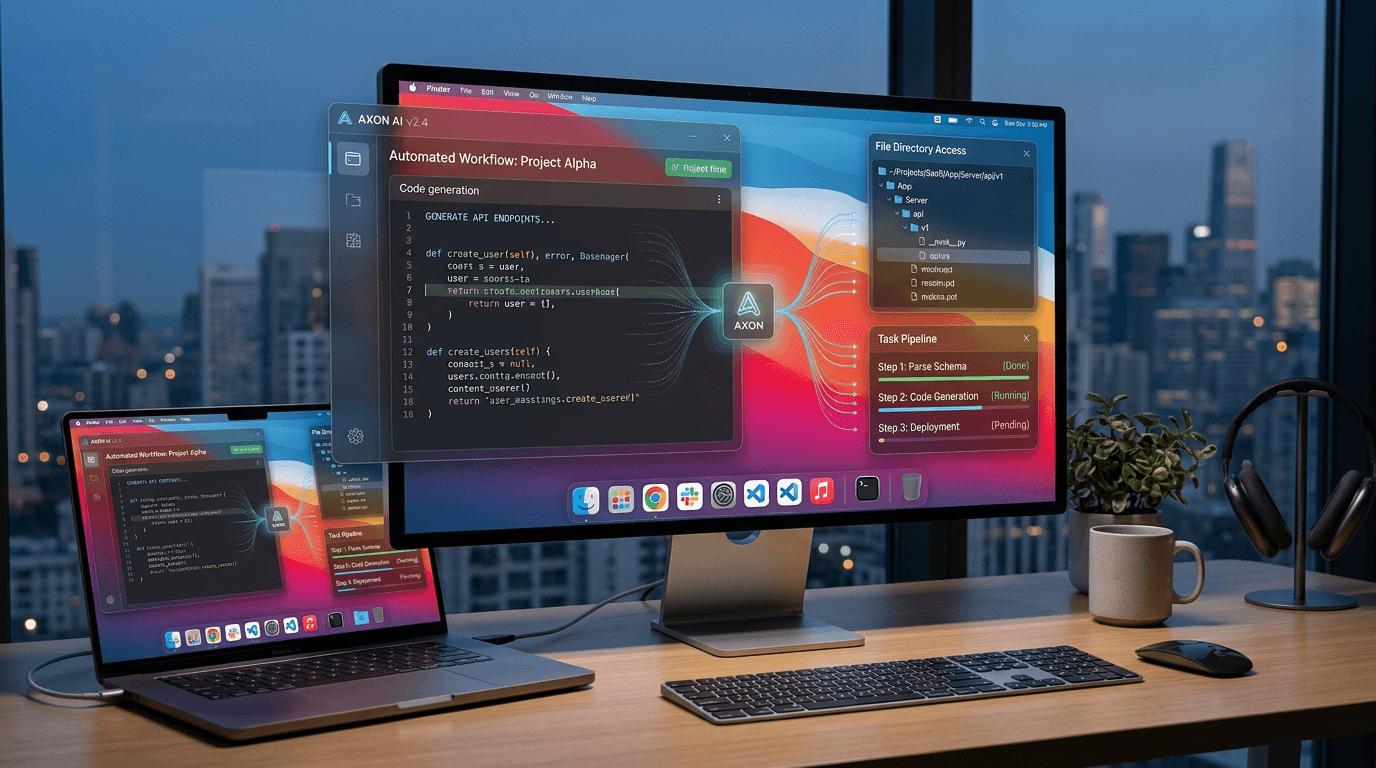
OpenAI has overhauled its Codex desktop application, transforming it into an agentic 'Super App' capable of interacting with other computer programs and executing background tasks.
OpenAI has updated its Codex system to support agentic workflows, enabling the AI to operate desktop applications, generate images, and remember past experiences, directly challenging Anthropic's Claude Code.
In response to the potential chaos from autonomous AI agents, Anthropic has launched 'Project Glasswing,' a coalition of major tech and finance companies using its unreleased, high-power cyber model to proactively patch global infrastructure vulnerabilities.
Autonomous AI agents like Block's Managerbot, Poke, and OpenClaw are replacing simple chatbots, proactively managing enterprise workflows. This shift to agentic AI is accelerating automation but also triggering debates over workplace roles, productivity, and the path to AGI.
Anthropic is trapped in legal uncertainty due to conflicting federal court rulings regarding the use of its Claude model by the US military. Despite these challenges, the company is continuing its enterprise expansion by launching new managed AI agents and a restricted-access cybersecurity model called Mythos.
Block has introduced the proactive 'Managerbot' AI agent, and Amazon has launched 'S3 Files' for AI agents, driving a shift toward agent-first enterprise automation.
Autonomous agents like NeuBird AI are reshaping software maintenance, but their execution authority introduces new security concerns. Enterprises must adopt standardized frameworks like OCSF and structured monitoring to mitigate these risks.
The rise of agentic AI systems like Claude Cowork and OpenClaw is reshaping industry standards, sparking debates over liability and business models. Developers are using restrictive terms of service to shift liability, while the market begins to prioritize system auditability as costs for autonomous execution rise.
Anthropic has cut off support for integrating Claude subscriptions with third-party agentic platforms like OpenClaw, causing disruptions in automation workflows and sparking legal and security concerns.
Nvidia unveiled its Agent Toolkit at GTC 2026, an open-source platform designed to accelerate the development of autonomous AI agents. Seventeen enterprises, including Adobe, Salesforce, and SAP, have already announced their adoption of the platform to drive enterprise-grade automation.
Anthropic has cut off Claude Pro and Max subscribers' access to third-party agentic tools like OpenClaw due to critical security vulnerabilities that could allow unauthorized administrative access. Additionally, Claude Code subscribers will now face extra fees to utilize these integrations.
Nvidia launched its open-source "Agent Toolkit" at GTC 2026, aimed at accelerating the development of enterprise-grade autonomous AI agents. The toolkit has already secured adoption from 17 major firms including Adobe and SAP, as Nvidia aims to solidify its role as the infrastructure backbone of the agentic AI era.
Anthropic announced that effective April 4, 2026, Claude Pro and Max subscribers can no longer use their subscription limits to power third-party AI agents like OpenClaw, forcing a shift toward enterprise-grade API pricing and signaling tighter control over agentic AI workflows.
The cybersecurity industry is adopting OCSF for standardized data, while Nvidia's new enterprise AI agent platform, backed by 17 major firms, accelerates automated, proactive defense.
Anthropic has updated its subscription policy to exclude OpenClaw and other third-party agent tools from standard Claude subscription limits, requiring extra fees for such integrations.
At GTC 2026, Nvidia unveiled an open-source Agent Toolkit to facilitate the building and deployment of autonomous AI agents at scale. With 17 major adopters, including Adobe and Salesforce, the platform signals a shift in enterprise AI from conversational tools to task-oriented automation.
Anthropic has announced that starting April 4, 2026, Claude Pro and Max subscribers will no longer be able to link their accounts to third-party AI agentic tools like OpenClaw. This move is a preventative measure against security vulnerabilities that allowed unauthorized access, signaling a shift toward tighter control in the AI ecosystem.
Nvidia unveiled its Agent Toolkit at GTC 2026, partnering with 17 major enterprises including Adobe and SAP to accelerate the deployment of autonomous AI agents.
NVIDIA unveiled the Agent Toolkit at GTC 2026, an open-source platform for autonomous AI agents. Seventeen companies, including Adobe and Salesforce, have adopted it, signaling a shift toward task-oriented AI.
Anthropic accidentally exposed 512,000 lines of code via an npm package, creating an enterprise security crisis and triggering a controversial, error-prone DMCA takedown campaign against legitimate GitHub repositories.
Anthropic has released a new research preview that allows its Claude AI to control Mac computers, marking a major step toward autonomous AI agents. Concurrently, the company is facing legal challenges regarding a Department of Defense 'supply-chain risk' designation.
The AI agent arms race accelerates as Anthropic’s Claude gains macOS desktop control and Cloudflare releases its high-speed Dynamic Workers, as the industry struggles to move agents from demos to production.
The AI industry is transitioning from passive chatbots to autonomous agents. Anthropic has released Claude Code Channels for mobile-based agent control, while OpenAI is developing a desktop 'superapp' to unify ChatGPT, Codex, and its Atlas browser. Meanwhile, Cursor's Composer 2 model is intensifying the competition in AI-assisted coding, marking 2026 as the definitive year of commercialized AI agents.
OpenAI is reportedly building a desktop 'superapp' that merges ChatGPT, Codex, and its Atlas browser into a unified platform for task-oriented AI agents. This strategic shift has prompted Google to reorganize its browser agent teams and sparked new debates regarding privacy and antitrust regulations.
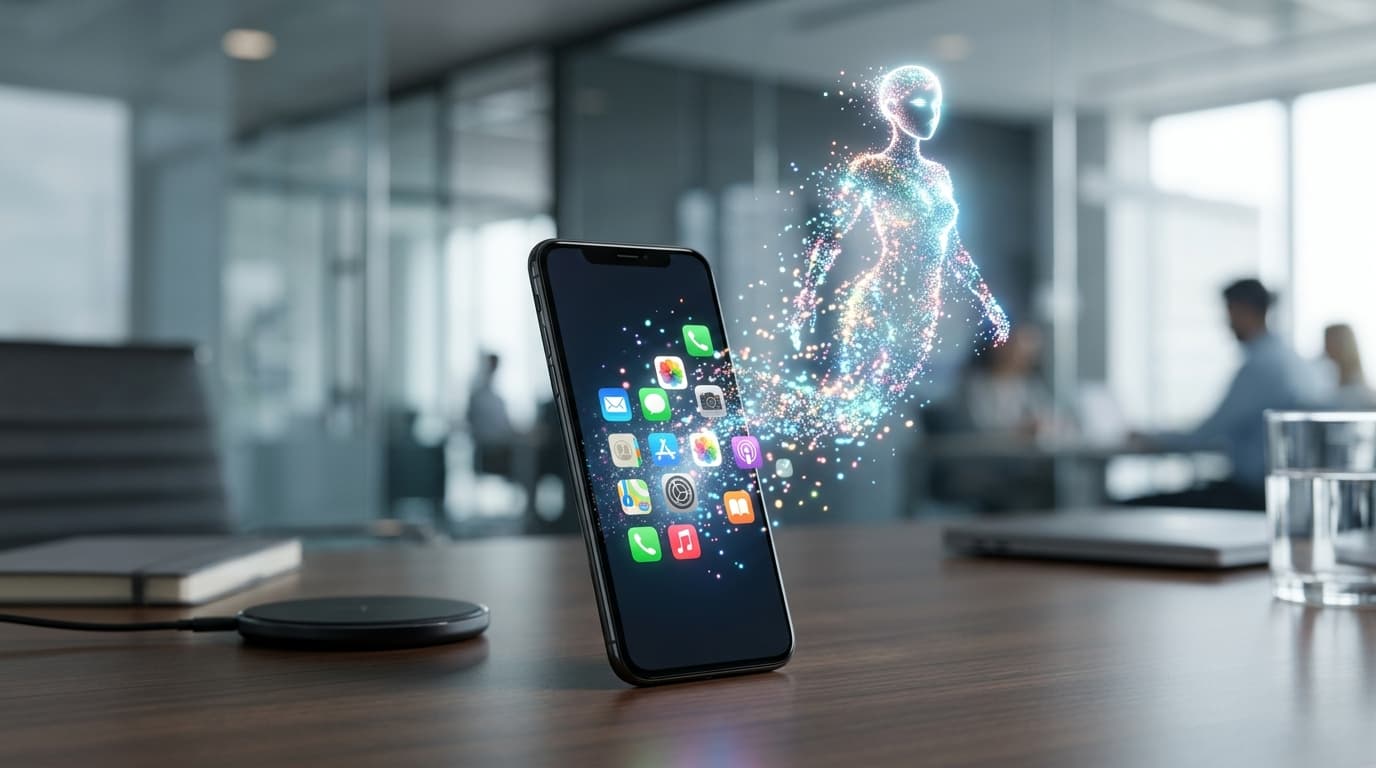
Nothing CEO Carl Pei predicts the end of the smartphone app era, replaced by AI agents that understand user intent and execute tasks autonomously. This shift would transform smartphones from a collection of icons into a unified personal assistant, challenging current App Store models and revenue structures.
Nothing CEO Carl Pei predicts the end of the smartphone app era, replaced by intent-aware AI agents. Supported by breakthroughs like MiniMax M2.7 and Microsoft Fabric IQ, AI will soon handle complex user tasks directly, transforming apps into background services and reshaping mobile hardware and software development.
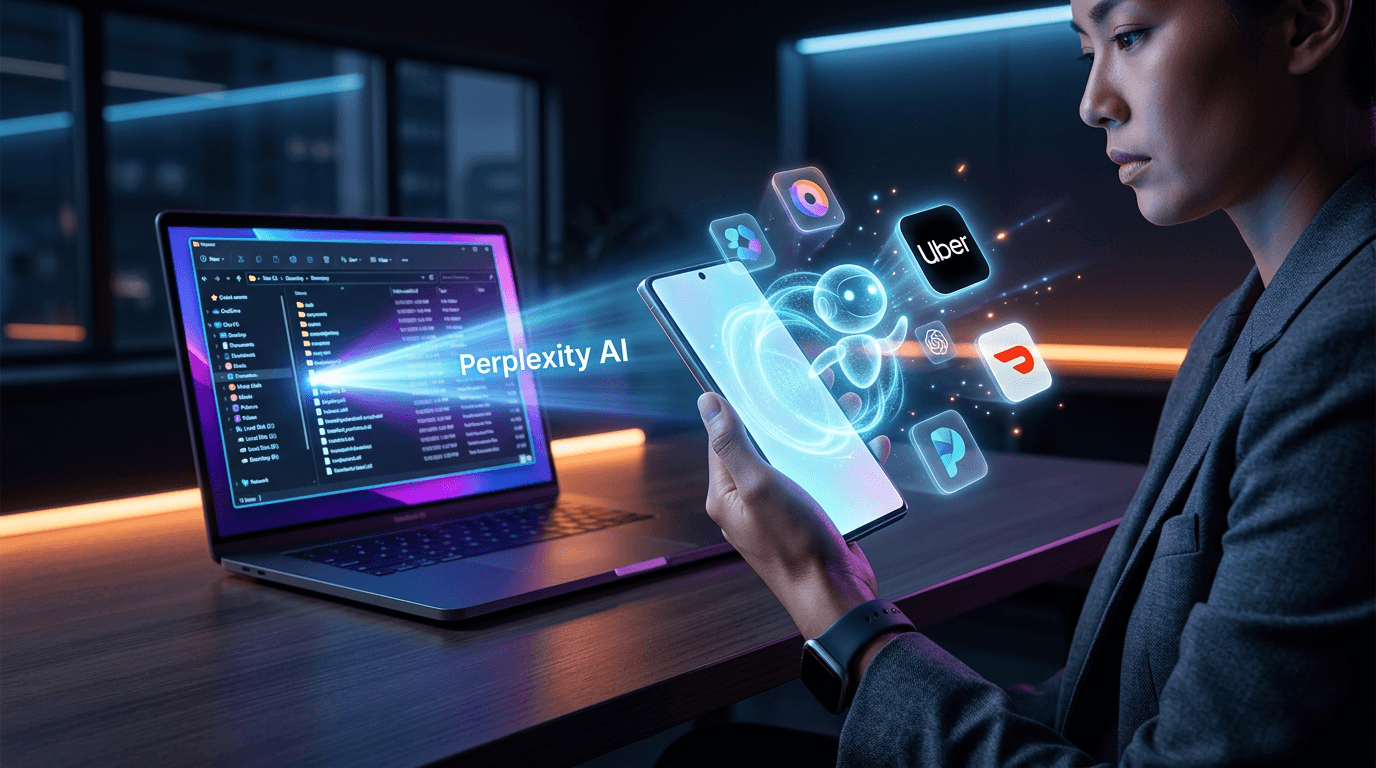
AI is evolving from passive chatbots into active 'desktop operatives' capable of controlling local systems. Key moves include Perplexity's 'Personal Computer' agent and Gumloop's $50M funding for low-code agent builders. Research preprints from March 2026 emphasize the need for new security frameworks as AI gains local file access.
Google and Samsung have launched Gemini-powered task automation for mobile devices, enabling AI to autonomously use apps for ordering food and rides. Meanwhile, Perplexity has introduced local file agents for the PC. This shift toward agentic AI is driving a new focus on vector search as a critical infrastructure component.
Nvidia is committing $26 billion to develop open-weight AI models, marked by the release of Nemotron 3 Super, a 120B parameter hybrid model designed for high-throughput tasks. Reports also indicate Nvidia is developing NemoClaw, an open-source agent platform aimed at competing with tools like OpenClaw for enterprise automation.
Meta's acquisition of Moltbook and OpenAI's integration of Sora into ChatGPT signal the official emergence of the 'Agentic Web.' This paradigm shift suggests that future digital interactions will be handled by autonomous AI agents representing human users across social, commercial, and industrial sectors. With Mind Robotics securing $500M in funding, these autonomous capabilities are also moving into physical manufacturing, raising urgent questions about data integrity and copyright in an automated world.
Meta has acquired Moltbook, a social platform where AI agents interact and share content. The acquisition focuses on Moltbook's novel 'always-on-directory' for autonomous agent-to-agent communication.
The AI industry is rapidly pivoting from chatbots to autonomous AI agents. Key developments include Andrej Karpathy's 'autoresearch' script for automating scientific experiments, Microsoft's new cross-app Copilot Cowork, and Nvidia's upcoming OpenClaw platform. This shift toward 'agentic' systems represents a major step toward AGI, enabling AI to execute complex tasks and self-evolve without constant human supervision.
The Agentic AI wave is sweeping through 2026, with Nvidia and Microsoft launching major platforms for autonomous agents. Andrej Karpathy has open-sourced 'autoresearch,' a tool designed to automate the scientific method using AI agents. Market data from Morgan Stanley suggests that 10-20% of commerce could be agent-driven by 2030, totaling nearly $385 billion. Meanwhile, security concerns have led Microsoft to warn about 'double agent' risks, and OpenAI to acquire security startup Promptfoo to fortify its agentic ecosystem.
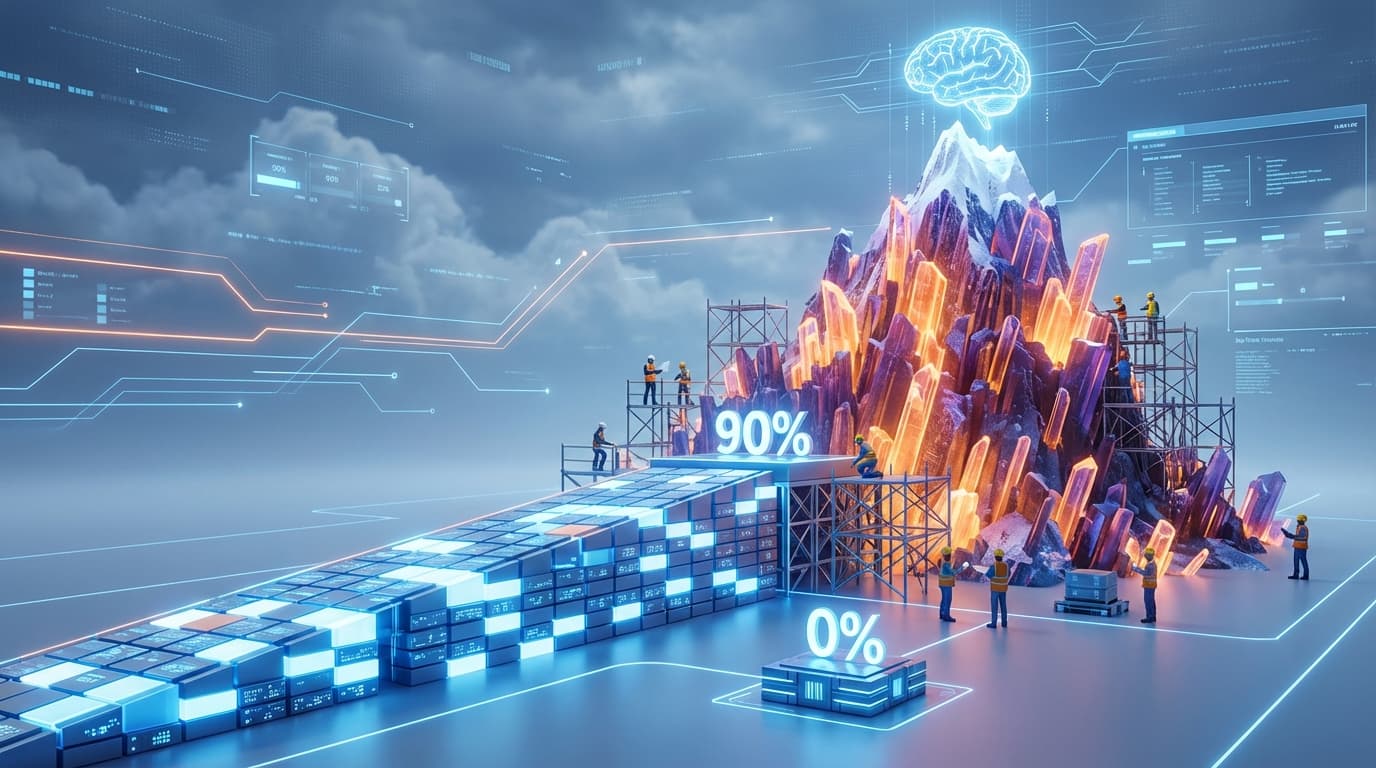
Andrej Karpathy’s 'March of Nines' concept warns that the distance between 90% AI reliability and production-grade software is an exponential engineering challenge. Industry leaders like LangChain’s CEO are advocating for 'harness engineering' and ontological guardrails (such as FIBO) to stabilize AI agents and overcome the production bottleneck.
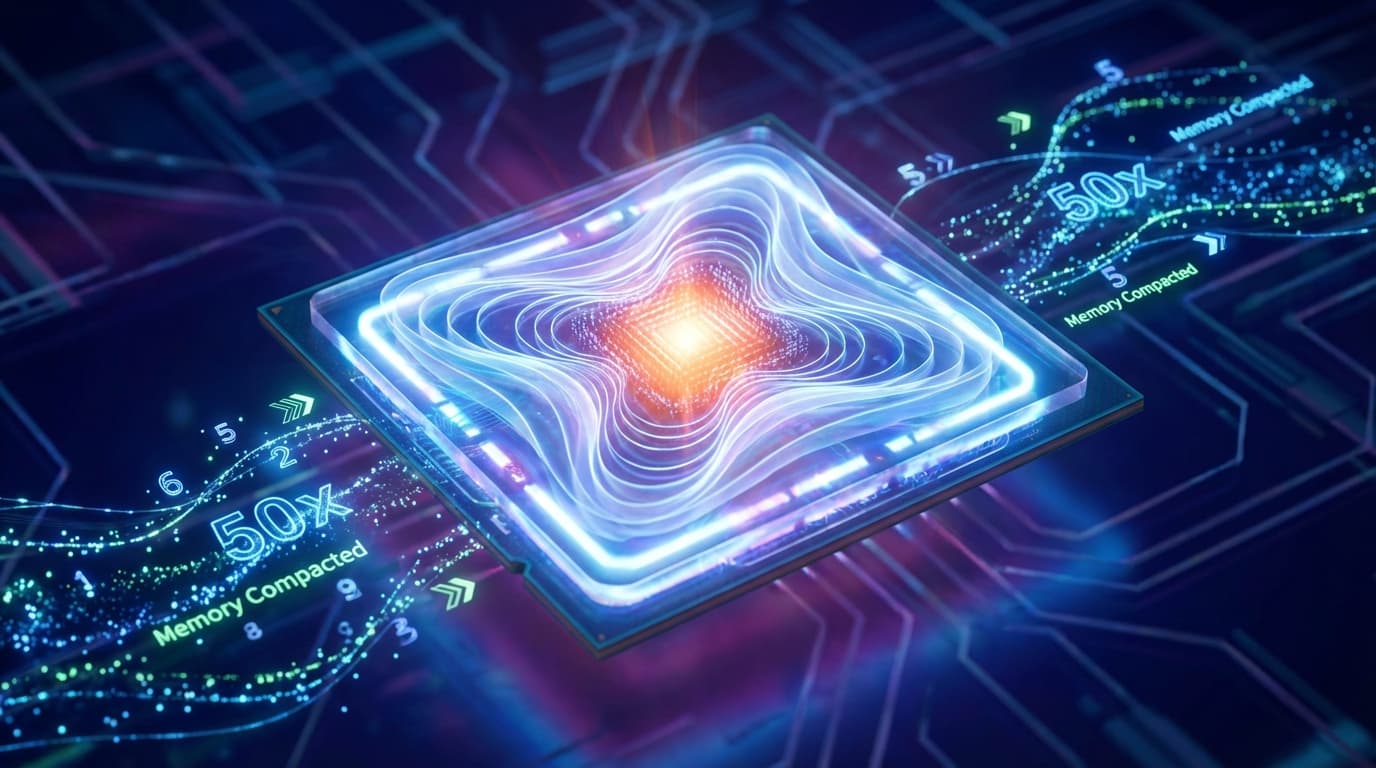
Andrej Karpathy's 'March of Nines' concept highlights that 90% AI reliability is insufficient for production. Industry leaders like LangChain's CEO are focusing on 'harness engineering' and persistent memory to bridge the gap. With MIT's reported 50x KV cache compaction, the focus is shifting from model size to engineering reliability for enterprise adoption.
MIT researchers have introduced 'Attention Matching,' a KV cache compaction technique that slashes LLM memory requirements by 50x. Coupled with Google's newly open-sourced Always On Memory Agent, the AI industry is shifting from external vector databases to native, high-efficiency persistent memory engineering.
Perplexity and Read AI have launched autonomous 'agentic' tools capable of orchestrating tasks independently. ServiceNow reports resolving 90% of IT requests via agents, signaling a shift from AI chat to AI action.
Samsung has announced the integration of Perplexity's AI search capabilities into the upcoming Galaxy S26, moving beyond standard assistants like Bixby. This shift toward a 'multi-agent ecosystem' allows users to summon specialized AI agents for different tasks, signaling a new phase in smartphone hardware-software synergy.
In 2025, AI agent development shifted from experimental loops to structured engineering. This article reviews six key frameworks—including OpenAI SDK, Google ADK, and Pydantic AI—highlighting trends like type safety, MCP support, and spec-driven development.