
Context: A Heretical Vision for the Mobile Industry
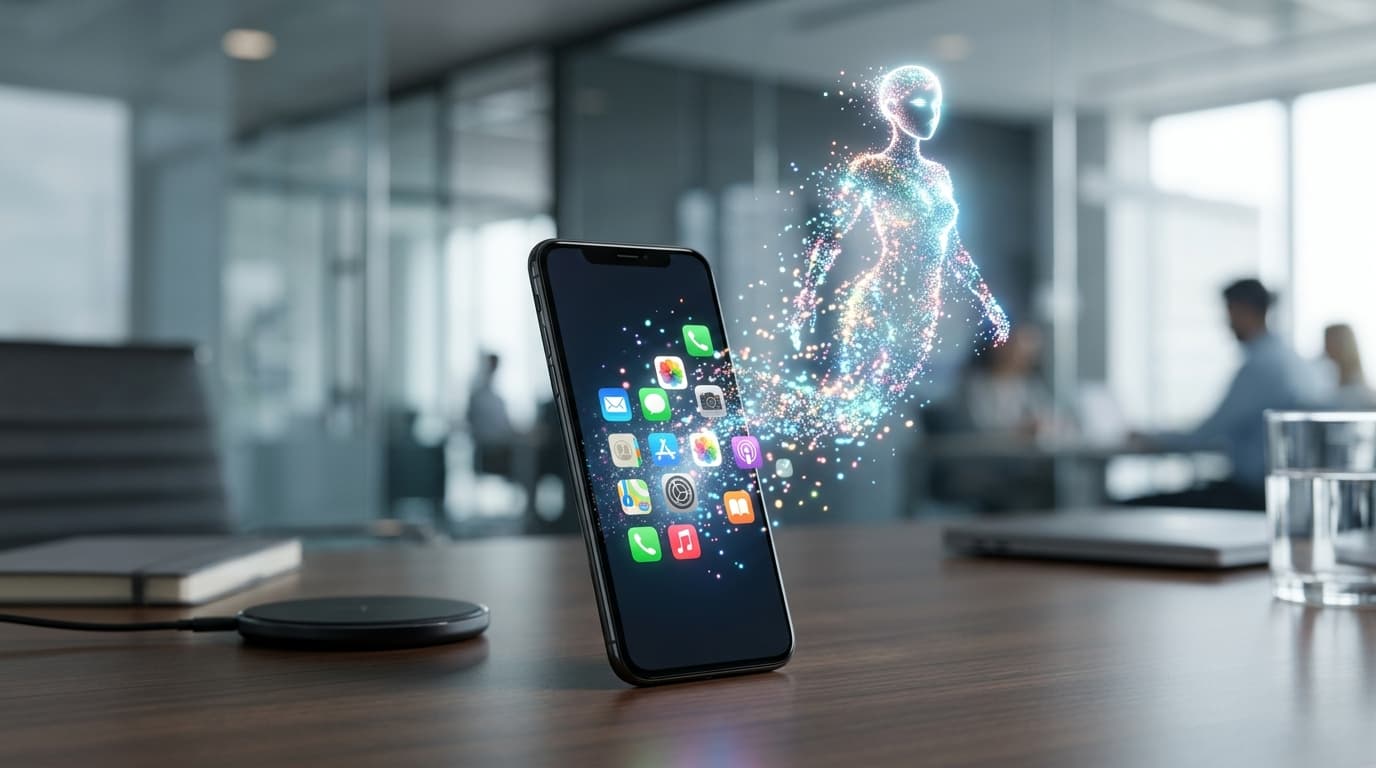
Carl Pei, the charismatic CEO of Nothing, has issued a bold prediction that strikes at the heart of the current smartphone paradigm: the era of smartphone apps is nearing its end. During a recent industry address, Pei argued that as Artificial Intelligence agents evolve, the traditional grid of icons that has defined our mobile experience for nearly two decades will vanish. In its place will emerge a more fluid, intent-based interface where AI acts on behalf of the user, rendering individual apps obsolete.
From Manual Operation to Intent Understanding
Pei's core thesis is that the current app-based experience is fragmented and inefficient. Users are forced to hop between dozens of isolated applications to complete simple daily workflows like booking travel or managing a diet. In Pei's vision, the future smartphone is centered around a unified AI agent. Instead of opening an airline app, then a hotel app, and finally a calendar app, a user will simply express an intent: "Organize my business trip to London next Tuesday." The AI will navigate the backend services, make the bookings, and finalize the schedule autonomously. This shift from manual task execution to high-level intent fulfillment is already being echoed by major upgrades to Amazon's Alexa and the deep integration of Google Gemini into the Android OS.
Market Trends and Big Tech Movements
The industry is already pivoting toward this agentic future. Google Trends shows that global interest in "AI Agents" has tripled over the last six months, with California (score of 58) and Taiwan (score of 70) leading the charge. Companies like Walmart are partnering with OpenAI to embed agentic shopping experiences directly into consumer interfaces. For Nothing, this means moving beyond just building sleek hardware; the company is reportedly working on an "AI-first" operating system that prioritizes cross-platform service integration over traditional app silos.
Challenges: Privacy, Ecosystems, and Monopolies
The transition to an "app-less" world faces significant hurdles. The first is privacy and data interoperability. For an AI agent to act effectively, it requires deep access to personal data across various services, raising massive security concerns. Secondly, platform gatekeepers like Apple and Google have built multi-billion-dollar empires around App Store commissions and advertising. Relinquishing control to a third-party AI agent would disrupt their primary revenue streams. As noted by TechCrunch, this is not just a technological race but a political struggle over who controls the user interface of the future.
Outlook: The Disappearing Interface
If Carl Pei’s prediction holds true, the smartphone will eventually transform into a "transparent" technology that stays in the background until needed. By late 2026, we expect to see the first major mobile operating systems that treat third-party services as APIs for an AI assistant rather than standalone destinations. For developers, the focus will shift from designing user interfaces to building robust backend infrastructures that AI agents can easily parse and interact with. The icon-filled home screen is fading, and the age of the autonomous personal assistant is beginning.