
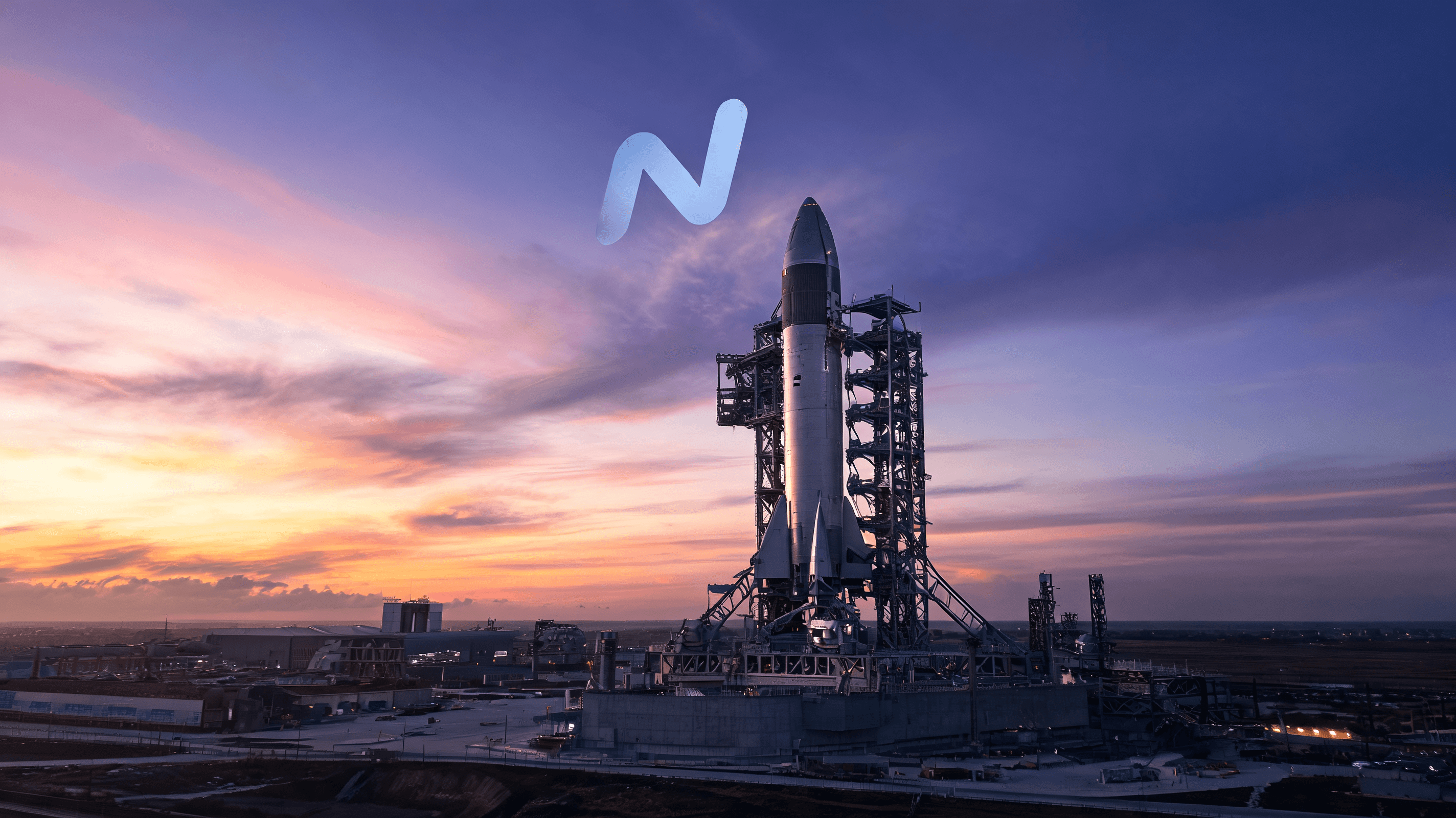
A Historic Milestone for the Space Industry
SpaceX has officially debuted on the Nasdaq exchange, a move that marks a new era of capitalization for the global commercial space sector. According to recent market reports, the aerospace giant founded by Elon Musk successfully raised $75 billion ahead of its market launch, marking one of the most significant technology-driven IPOs in recent financial history. This listing transforms SpaceX into a publicly traded entity, placing Elon Musk’s signature 'extreme' ownership model under the intense scrutiny of public market regulators.
Market Reaction and Investor Dynamics
The listing has triggered intense debate on Wall Street. While the company has fundamentally altered global communications and logistics through its reusable rocket technology and the Starlink satellite network, its complex governance structure and Musk’s dominant leadership style have prompted caution among some institutional investors. Reports indicate that the capital raised is earmarked to provide liquidity for future Mars colonization initiatives and deep-space exploration. A key point of contention remains the accessibility of shares for retail investors and how Musk will manage the shift from private control to public accountability.
Technological Dominance and Competitive Moats
SpaceX’s valuation is anchored in its near-monopoly status in the heavy-lift launch sector. According to analysis from aerospace industry papers on ArXiv, SpaceX has reduced launch costs by over 60% compared to traditional aerospace contractors. This cost advantage is derived from deep vertical integration and the reusable Falcon 9 architecture. As the Starlink constellation expands its global coverage, SpaceX has evolved from a simple launch service provider into a global data infrastructure provider, significantly widening its economic moat.
Google Trends Insights
Google Trends data indicates that the search interest for 'SpaceX IPO' peaked at 85 in California, highlighting the intense focus from the Silicon Valley tech community, while the interest score in Taiwan stands at 62, reflecting broad international engagement with the debut. The surge in search volume correlates with the high volatility observed during the company's first days of trading.
Future Outlook and Regulatory Scrutiny
While the IPO is a financial landmark, SpaceX faces a complex regulatory path ahead. Operating as a public company requires periodic financial disclosures, a significant shift for a firm previously accustomed to private operations. Furthermore, the Securities and Exchange Commission (SEC) is expected to maintain rigorous oversight of the company's governance, while the Department of Defense continues to monitor supply chain security for critical aerospace assets. Investors should closely watch how the company balances the aggressive development of Mars missions with the sustained profitability of its Starlink business.