
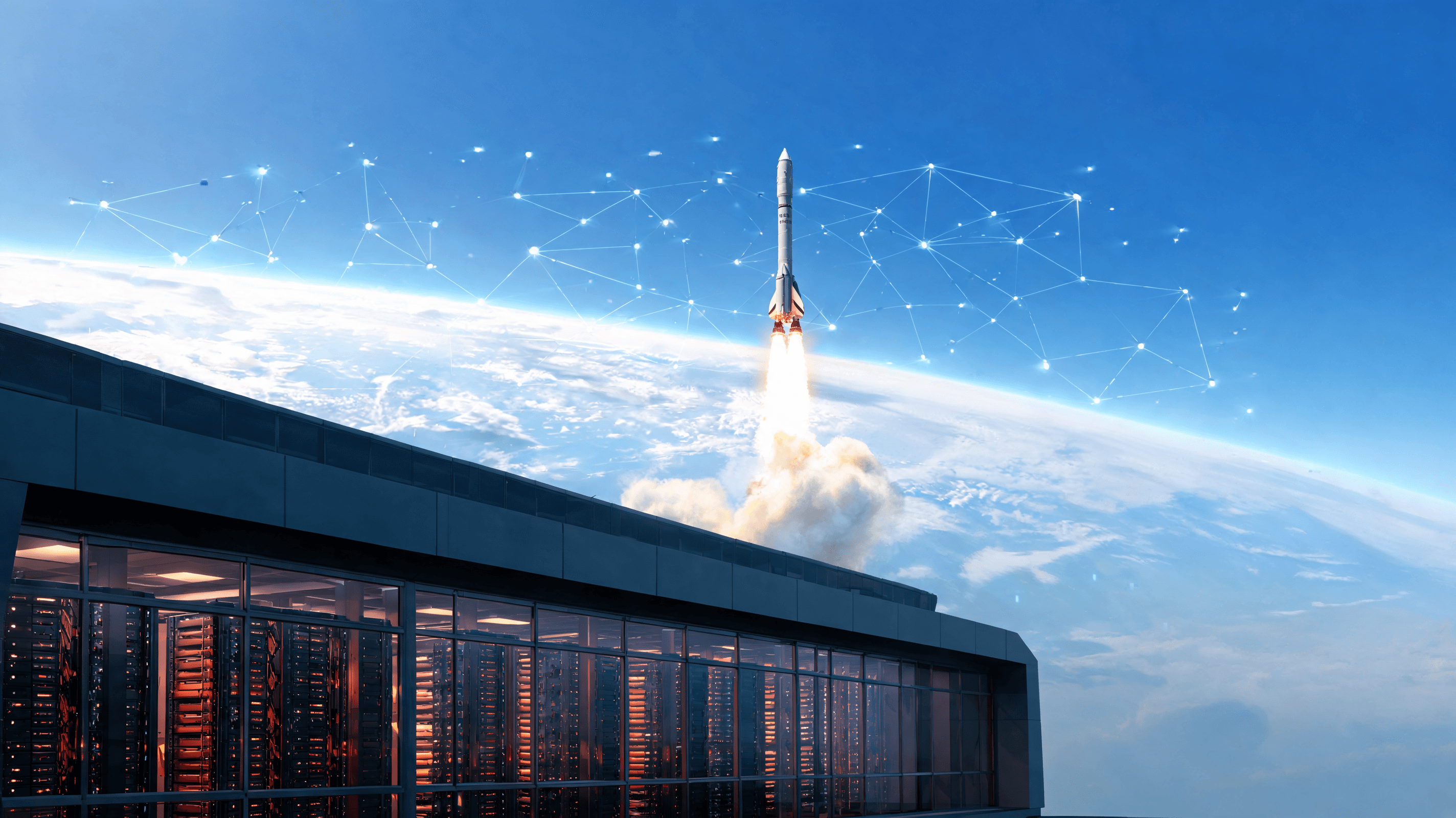
A Turning Point for the Space Industry
The anticipation surrounding the potential IPO of SpaceX has become a focal point for global tech and financial markets. As the most iconic entity in Elon Musk’s portfolio, a public debut signifies not only the arrival of a new era in private spaceflight but also the formal transition of satellite internet services into the competitive landscape of public capital. As reported by TechCrunch, the path to IPO is laden with challenges, with market participants scrutinizing the company's valuation and the long-term viability of its business model.
Escalating Global Satellite Rivalry
As SpaceX’s Starlink continues its global rollout, China is accelerating its efforts to develop a rival satellite constellation. According to reports from Rest of World, China’s "SpaceSail" initiative underscores the country's strategic ambitions in low-Earth orbit (LEO). This competition has evolved beyond technical R&D into a struggle for orbital slots and global communications dominance. Analysts suggest that satellite communication is no longer just a commercial service but a matter of national security, imbuing the SpaceX IPO with significant geopolitical weight.
Environmental Concerns and Community Backlash
However, the expansion of SpaceX does not come without environmental costs. Beyond the looming issue of orbital debris, ground-based infrastructure has sparked significant local controversy. Wired reports that residents living near xAI data centers are expressing frustration over the environmental impact of these facilities. Serving as the backbone for space-tech and AI operations, their energy consumption and environmental footprint have become crucial metrics for investors evaluating ESG risks. Under the National Environmental Policy Act (NEPA), large-scale infrastructure projects face rigorous review, posing potential legal hurdles for the company’s expansion plans.
Regulatory Hurdles and Future Outlook
SpaceX must navigate stringent registration requirements under the Securities Act of 1933. Specifically, the company faces pressure regarding orbital debris mitigation, following the FCC's recent "5-year rule" for satellite deorbiting. This regulation not only impacts operational costs but also necessitates structural changes in satellite design. According to Google Trends, interest in this topic currently sits at 78 in California and 45 in Taiwan, highlighting regional disparities in how the growth of the space sector is perceived. Looking forward, investors will watch closely to see how SpaceX balances its aggressive expansion with regulatory compliance and environmental stewardship.
Expert Analysis
Industry experts believe that a successful IPO could unlock massive capital flow for the entire space sector. However, facing intense international competition and tightening environmental regulations, SpaceX must demonstrate stronger profitability than its current operations suggest. As the IPO approaches, the market will remain focused on the company's financial disclosures and regulatory trajectory. Investors should recognize that this is not merely a technological race, but a long-term strategic battle over global infrastructure and environmental sustainability.