

The Resurgence of Physical Innovation in Barcelona
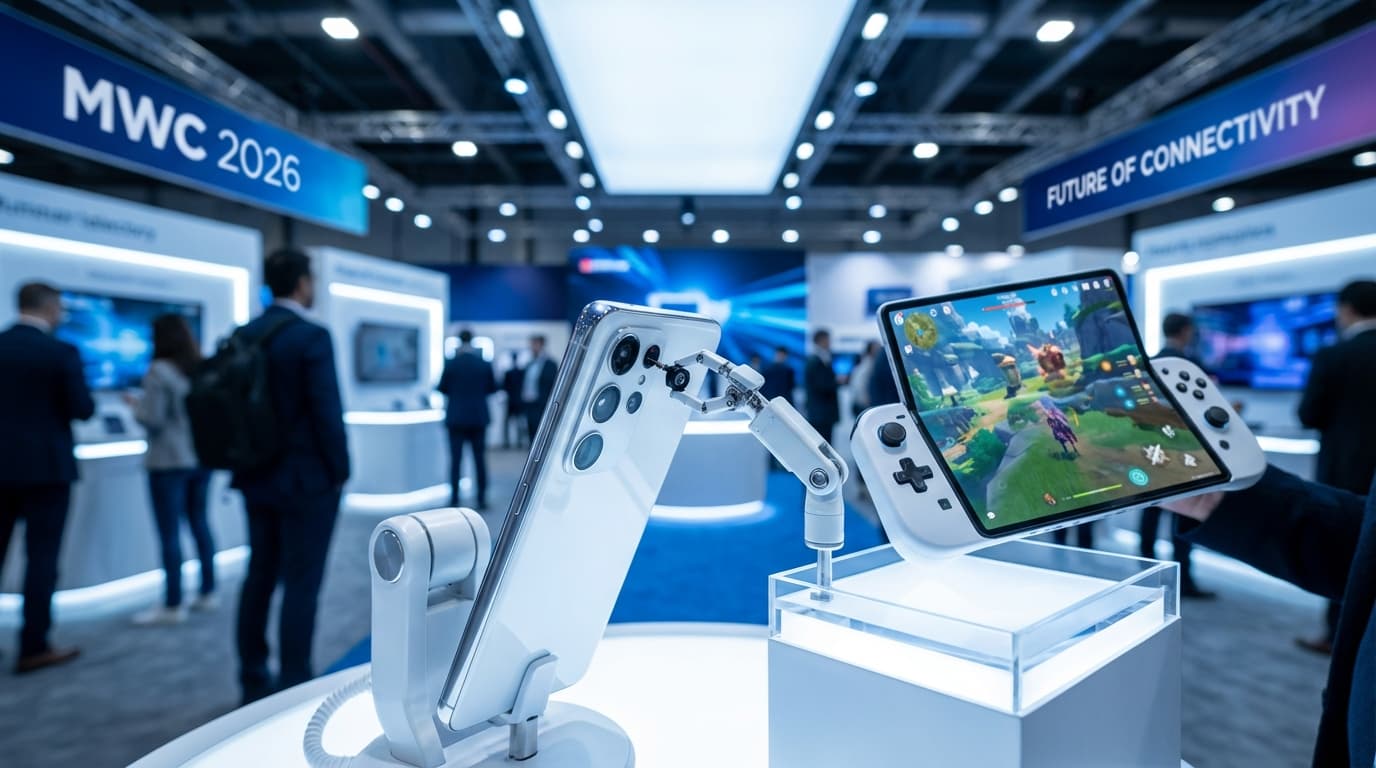
At the Mobile World Congress (MWC) 2026 in Barcelona, the narrative has shifted from incremental software updates to radical hardware experimentation. After years of AI-first presentations, companies like Honor and Lenovo are recapturing the public imagination with bold physical forms. The standout stars of the show include a phone that doubles as a robotic companion and a gaming handheld that challenges the very definition of portability with a folding screen.
Honor's Robotic Ambition: A Phone That Dances
Honor has taken smartphone interaction to a physical level. As reported by TechCrunch (2026), the company unveiled a "Robot Phone" featuring a movable camera arm that can autonomously track subjects or even "dance" to the rhythm of music. This experimental device uses micro-servo motors to transform the smartphone from a static slab into an active participant in its environment. Beyond concepts, Honor also launched the Magic V6, a consumer-ready slim foldable that boasts an unprecedented IP69 rating for water and dust resistance, setting a new bar for durability in the category The Verge (2026).
Lenovo Legion Go Fold: Gaming Without Boundaries
Lenovo stole the spotlight in the gaming sector with the Legion Go Fold. This Windows-based handheld features a flexible POLED display that folds in half, allowing for a massive screen real estate in a form factor that remains pocketable. According to The Verge (2026), the device features detachable controllers and can be converted into a mini laptop with a magnetic folio keyboard. This modular approach suggests a future where gaming hardware adapts to the user's environment rather than forcing the user to adapt to the device.
Market Trends and Global Interest
Data from Google Trends indicates a massive surge in consumer curiosity regarding these new form factors. The query "Foldable Gaming Handheld" saw a 350% increase in search volume globally. In regions like Taiwan, the search interest score hit 85, while in the US, "Robot Phone" trended with a score of 78. This data confirms that after years of "smartphone fatigue," consumers are hungry for hardware that offers more than just faster processors—they want new ways to interact with their digital lives.
Future Outlook: When AI Gains a Body
MWC 2026 suggests that the next phase of AI integration is physical. As Large Language Models become standard, the differentiator for hardware manufacturers will be the physical capabilities of the device. A phone that can position itself for the perfect video call or a handheld that changes size for different game genres represents the first steps toward truly "dynamic" hardware. While the "Robot Phone" may still be a niche concept, the engineering behind it will likely permeate the mainstream market within the next few years.