

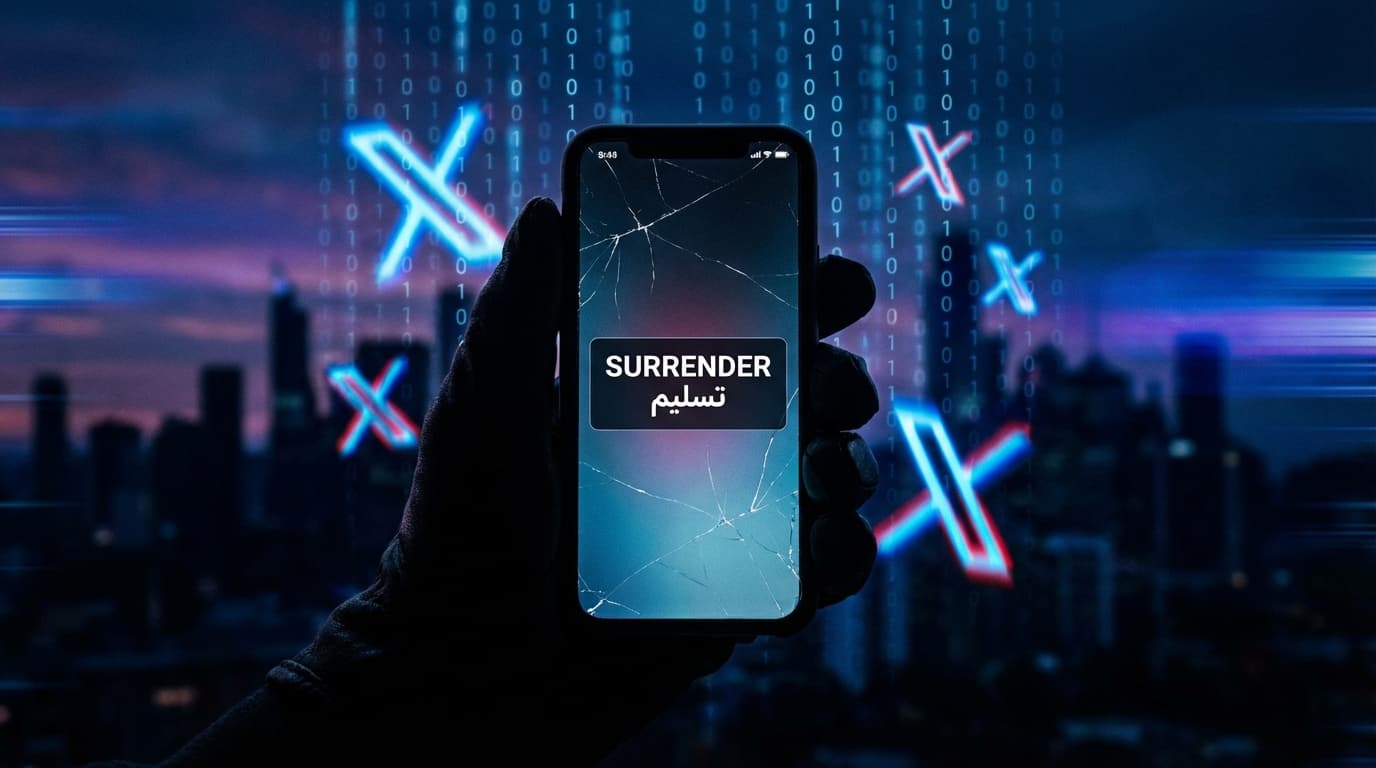
A Secondary Theater: The Digital Frontline
As U.S. and Israeli airstrikes targeted Iranian facilities in late February 2026, a parallel conflict erupted across the global digital infrastructure. Social media platforms, most notably X, became primary tools for psychological operations and mass manipulation. According to Wired (2026), the platform was quickly overwhelmed by hundreds of verified accounts promoting misleading videos and fabricated casualty reports, creating a fog of war that made it nearly impossible for observers to verify facts.
This "disinformation tsunami" was exacerbated by X’s reduced moderation capabilities, allowing state-sponsored actors and botnets to dominate the narrative and seed panic among both the Iranian populace and the international community.
Psychological Warfare: The Hacked Prayer App
One of the most unsettling developments in this digital conflict involved a direct attack on the personal devices of Iranian citizens. A popular prayer reminder application was compromised by hackers to deliver psychological warfare messages. As revealed by Wired (2026), users received push notifications at the height of the strikes that said "surrender now" and promised amnesty for those who ceased resistance.
By infiltrating a culturally significant and trusted application, the attackers demonstrated a sophisticated understanding of Iranian society. This "surrender notification" represents a new frontier in hybrid warfare, where the goal is not just to destroy physical infrastructure but to penetrate the personal and spiritual lives of civilians to induce collapse.
Ethical Dilemmas in Prediction Markets
While the bombs fell, traders on the decentralized prediction platform Polymarket were cashing in on the violence. Markets betting on the exact timing of the U.S. strikes saw tens of millions of dollars in volume. Polymarket defended its decision to host these markets, calling them "invaluable tools for forecasting," according to The Verge (2026).
However, the platform faced severe backlash for profiting from human suffering. The controversy coincided with news that OpenAI had recently terminated an employee for allegedly using confidential internal knowledge to trade on similar geopolitical events on prediction markets. This convergence of insider trading and war-profiteering has renewed calls for strict regulation of prediction platforms that gamify international conflict.
Global Reaction and Trends Data
Google Trends data indicates that global anxiety reached critical levels during the strikes. The interest score for "Iran Attack" surged to 85 in California and 69 in Taiwan. In Taiwan, trending queries were focused on the geopolitical implications for East Asia and potential disruptions to global energy supplies.
Cybersecurity experts warn that the events in Iran serve as a blueprint for future conflicts. The integration of mass disinformation on social media, tactical hacking of civilian apps, and the financialization of war outcomes via prediction markets suggests that the distinction between "digital" and "physical" warfare has effectively vanished.