
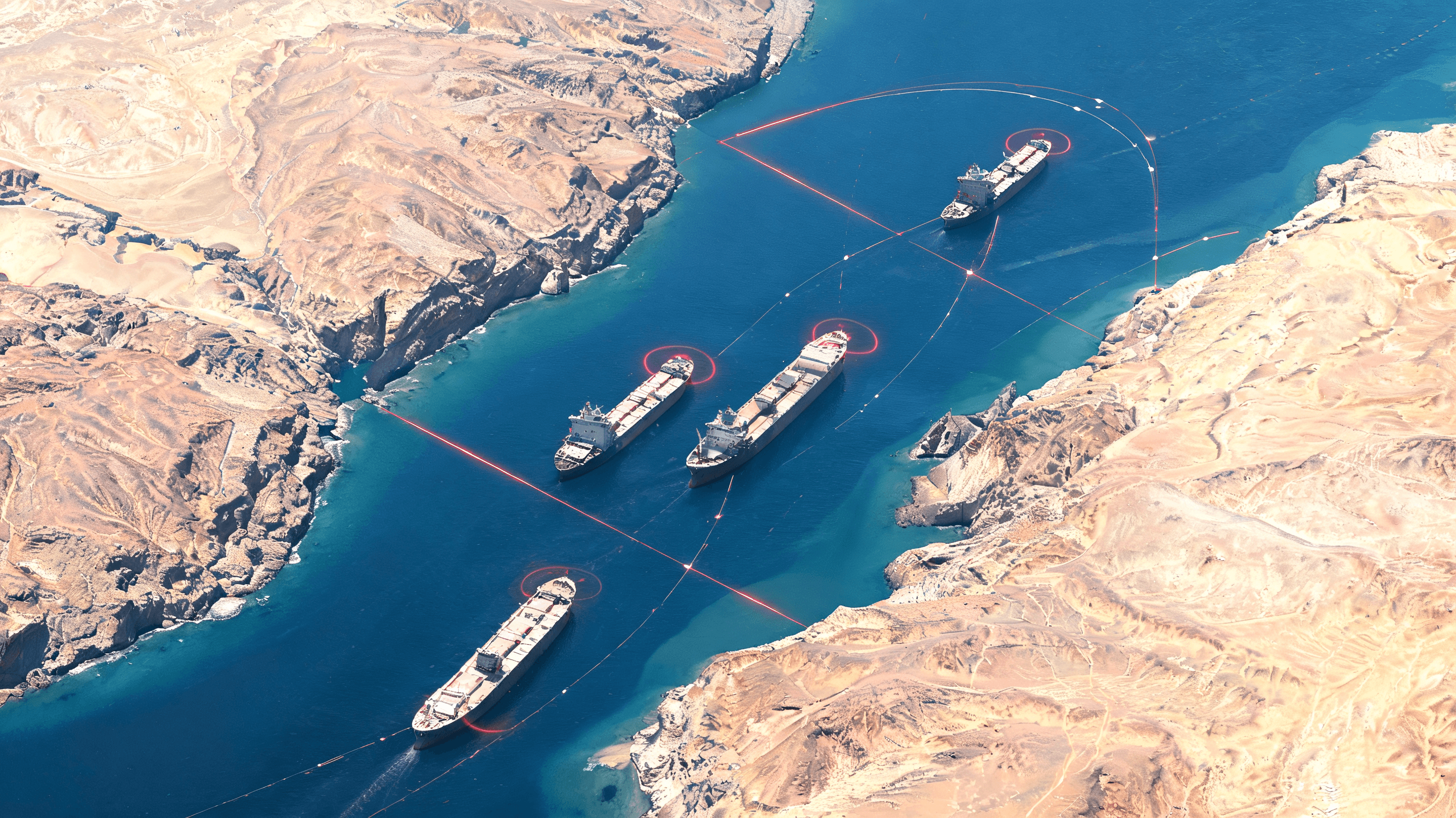
The Strategic Turmoil in the Strait of Hormuz
The Strait of Hormuz, the artery of global oil transit, has once again become the epicenter of international concern. According to recent reports, the Iranian military has launched attacks on ships within the Strait following a new series of U.S. strikes. This rapid deterioration of the situation has not only disrupted regional shipping but also triggered tremors across global energy markets. Defense Secretary Hegseth has explicitly stated that the U.S. is planning major strikes on Iran, pushing regional tensions to their highest levels in recent years.
The Chain Reaction of Military Escalation
Since the military standoff between the U.S. and Iran began, the situation has shifted from localized diplomatic friction to substantive conflict. Iran's targeting of ships is viewed as a direct retaliation for U.S. airstrikes. Analysts highlight that this tit-for-tat dynamic significantly increases the risk of miscalculation. Military experts warn that if the Strait of Hormuz were to be closed, approximately 20% of the world’s daily oil supply would be directly impacted, representing not just a regional crisis, but a global economic catastrophe.
Energy Market Hedging and Realignment
As the conflict intensifies, the global energy supply chain is undergoing an unprecedented 'risk-off' realignment. According to reports by POLITICO, nations globally are actively seeking alternative energy supply channels and geographic safe havens. From Suriname to Syria, economies of varying sizes are assessing how to maintain stability amidst this power struggle. Simultaneously, the India-Oman Comprehensive Economic Partnership Agreement (CEPA), which took effect on June 1, has gained prominence. This agreement not only deepens bilateral trade but strategically provides India with a more resilient supply path, mitigating the vulnerabilities associated with the geography of Hormuz, and illustrating how geopolitical factors are profoundly reshaping trade architectures.
Data Insights and Public Interest
The search interest for this topic reaches 85 in California and 62 in Taiwan. Data indicates that public concern regarding energy stability correlates strongly with the pace of the conflict's escalation. According to Google Trends, real-time monitoring shows a significant spike in searches related to 'Strait of Hormuz,' 'oil prices,' and 'geopolitical risk' over the past 24 hours, reflecting intense global anxiety regarding energy supply interruptions.
Conclusion and Future Outlook
The future trajectory of this conflict remains highly uncertain. The international community continues to call for restraint, but with military deployments intensifying, the room for diplomatic maneuvering is shrinking. Investors and policymakers must closely monitor subsequent military developments and the adaptability of global energy supply chains in the coming weeks. This is not merely a regional dispute, but a severe test for the globalized energy supply architecture.