
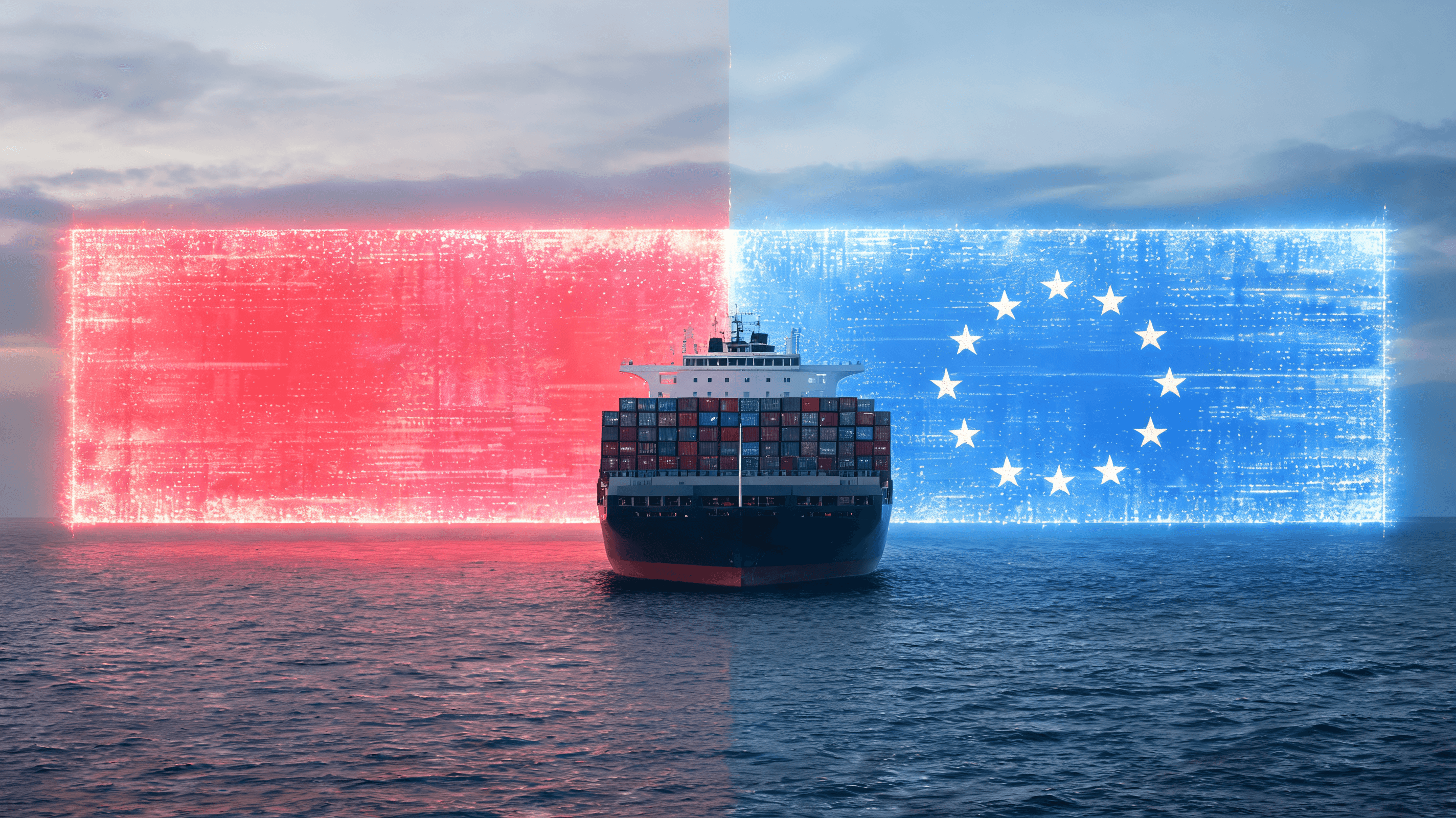
The Shift Toward Trade Protectionism
The European Union is increasingly adopting a more assertive trade defense stance, initiating a series of anti-subsidy investigations targeting non-market economic practices from China. Under the EU Anti-Subsidy Regulation (Regulation (EU) 2016/1037), Brussels is deploying 'autonomous trade instruments' to counter the influx of low-cost green energy products and advanced technology equipment. This phenomenon, which economists have dubbed 'China Shock 2.0,' reflects the EU’s deep-seated anxiety regarding its declining industrial competitiveness and its attempt to reshape the industrial landscape through strategic trade policy.
Friction Points in Industrial Structure
Think tank research suggests that Europe’s tendency to blame its economic challenges on the rise of China may, in part, mask its own failures in digital transformation and innovation investment. However, with retail sales data showing signs of stagnation, support for protectionist trade measures among EU member states is on the rise. Beijing has responded aggressively, cancelling high-level diplomatic meetings and accusing the EU of violating free trade principles. The tensions between the two powers have spilled over from traditional manufacturing into high-tech sectors, including electric vehicles and solar energy.
Legal and Regulatory Frameworks
From a legal perspective, the EU’s actions demonstrate an increasing reliance on 'autonomous trade instruments.' These mechanisms allow the EU to impose tariffs or quotas on imports deemed to be unfairly subsidized without waiting for lengthy WTO processes. While these measures protect local European firms in the short term, they risk fragmenting the global trade system in the long run and significantly increasing compliance costs for multinational corporations.
Google Trends and Public Awareness
Google Trends analysis shows that the search term 'China-EU Trade' reached an interest score of 78 in major European nations like Germany and France, highlighting the high level of concern among European business leaders and policymakers regarding supply chain risks. In China, search interest for related topics is concentrated on potential retaliatory measures, with an interest score of 65, reflecting a cautious stance on the potential for trade war expansion.
Future Outlook
The trajectory of China-EU relations will depend on the progress of negotiations in green energy and digital technology. If the EU persists with restrictive measures, Beijing may respond with reciprocal actions, which could have irreversible impacts on global supply chains. Observers suggest monitoring whether the EU will launch investigations into additional high-tech sub-sectors and how China intends to conduct 'stress tests' on trade relations through diplomatic channels, as these will be key indicators for assessing future trade policy risks.