

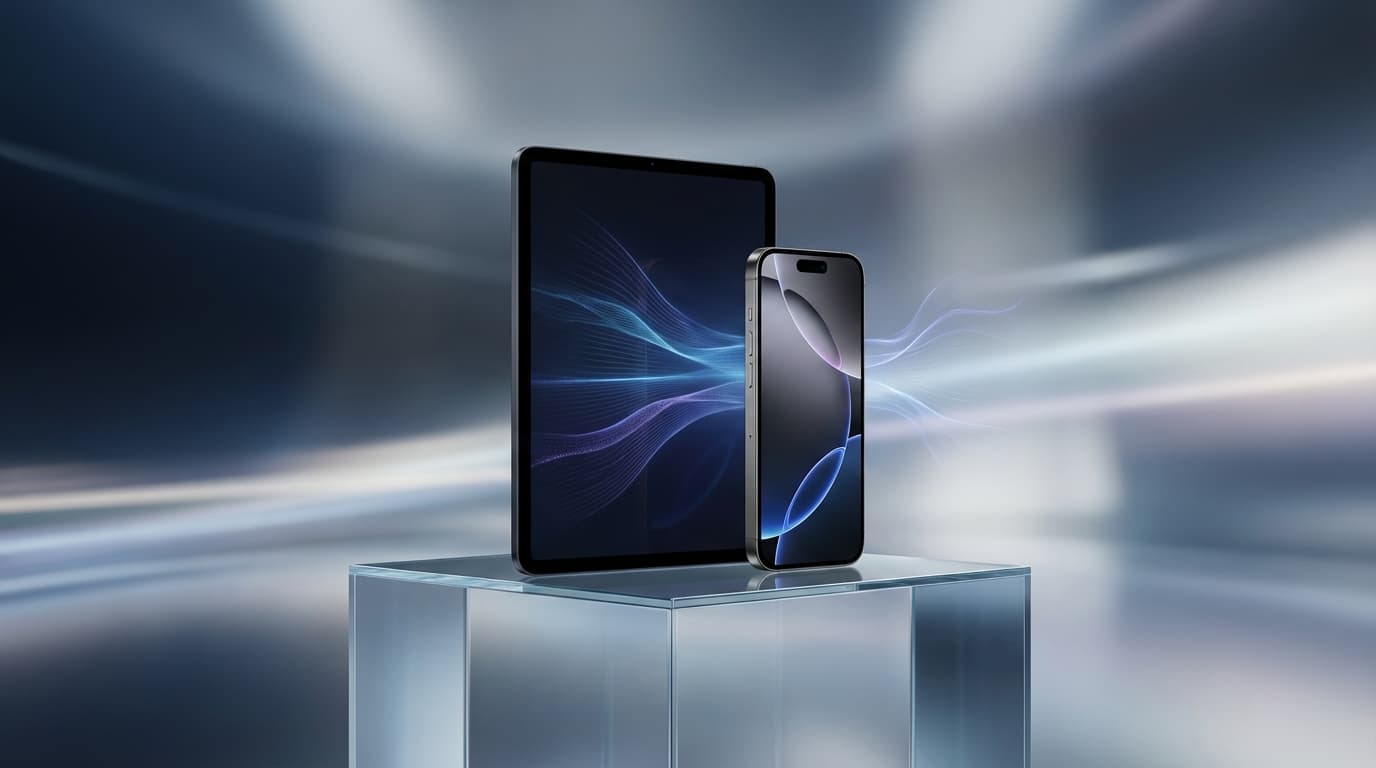
Apple’s Spring Offensive: Two High-Value $599 Devices
On March 2, 2026, Apple officially unveiled its latest mid-range hardware offensive, introducing the all-new iPhone 17e and a significantly refreshed iPad Air. Both devices start at an aggressive $599 price point, signaling a strategic shift to stabilize global market share amidst economic fluctuations while delivering top-tier AI processing power to the masses. According to TechCrunch (2026), the iPhone 17e is not merely a successor to the 16e but a comprehensive re-engineering of what an 'entry-level' device can achieve.
iPhone 17e: Flagship Specs in an Affordable Shell
The new iPhone 17e is powered by the A19 chip, developed concurrently with those in the flagship series. This inclusion ensures that the 17e is fully capable of running the latest generation of Apple Intelligence features without compromise. Breaking from the tradition of limited storage in budget models, the iPhone 17e now starts with a generous 256GB of storage. This doubled capacity reflects the growing demand for local data storage and on-device processing in the AI era. Additionally, the inclusion of full MagSafe support completes its integration into the broader Apple ecosystem. As Ars Technica (2026) notes, this device is perfectly positioned to attract budget-conscious users currently holding onto aging models who are eager for a modern AI experience.
iPad Air: The 12GB RAM Surprise
Launching alongside the phone is the M4-powered iPad Air. While the external chassis remains familiar, the internal upgrades are transformative. To support the heavy computational demands of advanced AI models, Apple has boosted the iPad Air’s RAM to 12GB. This is a pivotal upgrade, as it narrows the performance gap that previously existed between the Air and Pro lines. According to Wired (2026), the 12GB overhead will allow for smoother execution of large language models and more robust multitasking. This move underscores Apple’s new product philosophy: hardware tiers are no longer defined by arbitrary limits, but by the necessity of ensuring a fluid AI user experience across the board.
Market Analysis and Google Trends
The announcement has sent ripples through search markets. Google Trends data reveals that the 'AI' keyword interest in California reached a score of 43 immediately following the news. Searches for comparisons like 'iPhone 17e vs iPad Air M4' spiked within two hours of the press release. Analysts suggest that the $599 price point is a tactical masterstroke, successfully carving out a niche between ultra-premium flagships and the crowded Android mid-range. Apple clearly recognizes that lowering the barrier to hardware entry is the most effective way to expand its AI user base in the coming years.
Future Outlook: The Democratization of Apple Intelligence
With the release of these two 'value flagships,' Apple's Apple Intelligence strategy enters a new phase of mass adoption. By standardizing the A19 and M4 chips across more affordable devices, the company ensures that users across the $600 to $1000+ price spectrum receive a unified, system-level AI experience. Observers predict this could trigger a significant 'AI upgrade cycle,' particularly in the education and small-business sectors, where the high-performance M4 iPad Air is expected to be a major hit. All eyes are now on March 4th for pre-orders and the March 11th official store launch as key indicators of Apple’s 2026 market dominance.
References
- [src-1] TechCrunch. Apple bakes in AI smarts into its new $599 iPhone 17e. (2026).
- [src-2] Ars Technica. Apple's new iPhone 17e has an A19 chip, MagSafe, and 256GB of storage for $599. (2026).
- [src-3] Wired. Apple Gives the iPad Air a Small Power Boost. (2026).