
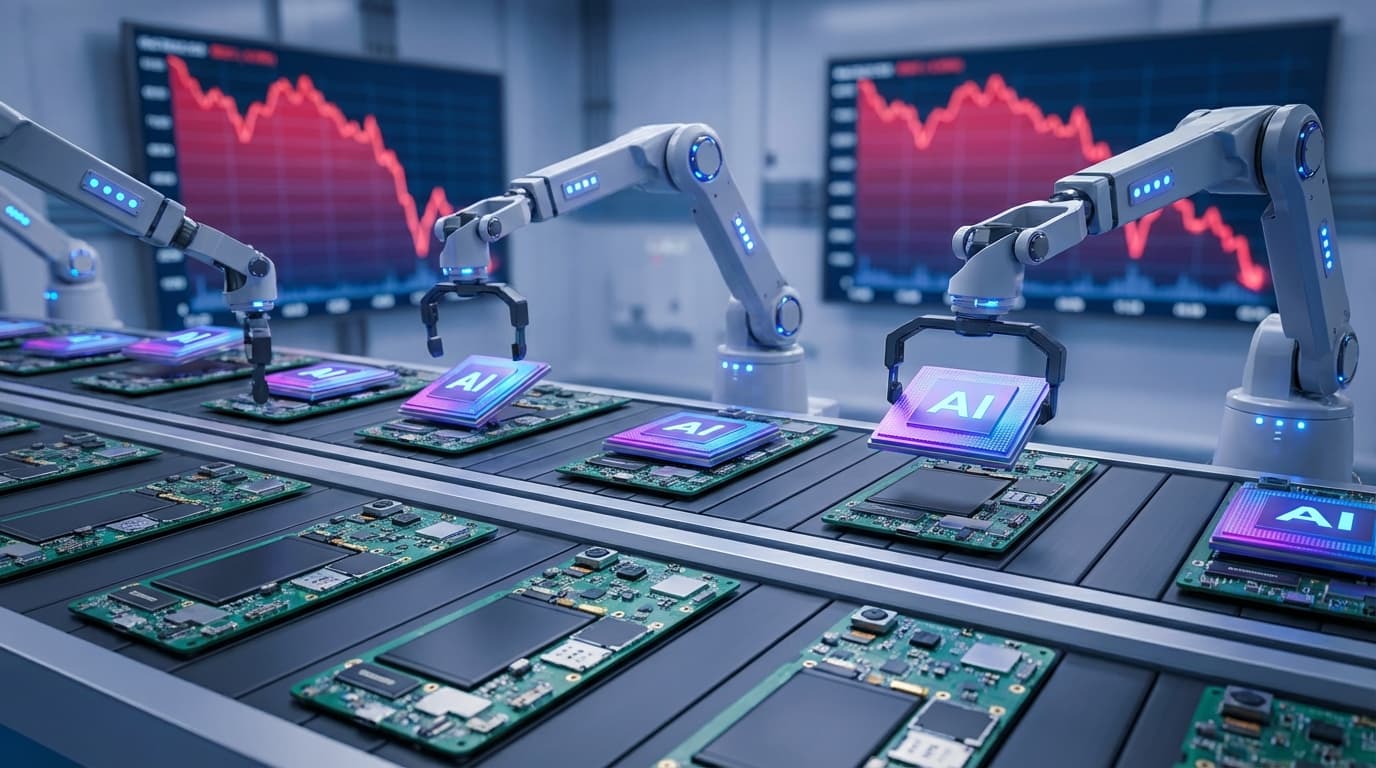
AI Data Center Demand Triggers Global RAM Crisis: Smartphone Shipments to Hit Decade Low
A Decadel Decline: The IDC Forecast
The smartphone industry is bracing for its most significant contraction in over ten years. According to a grim forecast from the International Data Corporation (IDC), global smartphone shipments are projected to plummet 12.9% in 2026, dropping to just 1.12 billion units. This represents the lowest annual volume since the early expansion era of the mobile market.
As reported by The Verge (2026), the culprit is a structural supply failure. The explosive growth of generative AI has led to a "RAMageddon," where AI data centers are consuming the vast majority of specialized memory manufacturing capacity.
Samsung Confirms Price Hikes for Galaxy S26
Samsung, the world's leading smartphone manufacturer, has already begun bracing consumers for the fallout. Won-Joon Choi, COO of Samsung’s mobile business, confirmed that the upcoming Galaxy S26 and S26 Plus will feature higher price tags than their predecessors, specifically citing the surge in material costs.
In an interview with The Verge (2026), Choi explained that the scarcity of memory modules—essential for running on-device AI—has forced the company to increase prices. "The memory shortage alone made a significant impact," Choi stated, admitting that the industry is struggling to secure enough LPDDR capacity against AI server giants.
The Data Behind the Shortage
Market analysis from TechCrunch (2026) suggests that the 12.9% drop from last year's 1.26 billion units is only the tip of the iceberg. The current manufacturing tilt toward High Bandwidth Memory (HBM) and DDR5 for AI accelerators has created a vacuum in the mobile-grade memory market.
Future Outlook: The End of Affordable High-Performance
Consumers should expect longer upgrade cycles and a market dominated by high-priced flagship devices, as manufacturers are forced to abandon the budget and mid-range segments due to unsustainable component costs. The smartphone is no longer the top priority for chipmakers, who are chasing higher margins in AI infrastructure.