AI Theft Allegations and the 'Trust Gap' in Enterprise Deployment
Allegations of industrial-scale AI theft by Chinese firms escalate tensions, while enterprises struggle to move AI agents into production due to a significant trust and security gap.
Prediction markets face insider trading scrutiny as New York bans state employees from using them, highlighting regulatory gaps and potential conflicts of interest.
Anthropic's 'Mythos' AI is drawing legal scrutiny from the Pentagon and facing an investigation into potential unauthorized access, despite its high efficacy in finding software vulnerabilities.
The U.K.'s Ofcom has launched an investigation into Telegram over concerns regarding child sexual abuse material (CSAM). Telegram has denied the allegations, making this a pivotal test for the U.K.'s Online Safety Act.
Despite previous tensions and designation as a "supply-chain risk," Anthropic is reportedly entering a more collaborative phase with the US administration, driven by the strategic utility of its new "Claude Mythos Preview" cybersecurity model.
Relations between Anthropic and the US government are improving, bolstered by the release of the company's cybersecurity-focused Claude Mythos Preview model, which officials now see as a strategic asset.
The U.S. Energy Information Administration has initiated a mandatory reporting requirement for data centers, compelling them to disclose energy usage data to help regulators monitor the power-intensive impact of AI infrastructure on the national grid.
A federal jury has ruled that Live Nation and Ticketmaster constitute an illegal monopoly. The verdict casts significant doubt on a recent DOJ administrative settlement and has ignited debates over the potential for court-ordered structural divestiture.
OpenAI's valuation is being challenged by Anthropic's rapid growth. The two companies are diverging sharply on AI liability legislation in Illinois, with Anthropic opposing the liability safe harbors supported by OpenAI.
Anthropic and OpenAI clash over proposed Illinois AI liability legislation, with Anthropic warning of unmanageable legal risks and OpenAI favoring regulatory benchmarks. Meanwhile, Anthropic continues to advance its 'Mythos' security model with US authorities.
OpenAI and Anthropic are at odds over AI regulatory strategy, with Anthropic opposing an Illinois liability bill that OpenAI has supported, highlighting a major divide in how AI labs should be held accountable.
IBM has agreed to pay a $17 million settlement to resolve an investigation under the Trump administration's 'Civil Rights Fraud Initiative.' While IBM admitted no misconduct, the move signals a major shift in corporate compliance regarding DEI policies.
US government officials are encouraging banks to test Anthropic’s Mythos model, creating policy friction given the DoD’s recent designation of the firm as a supply-chain risk.
Generative AI is being weaponized in geopolitical propaganda, driving a global crisis of misinformation and leading to increased regulatory scrutiny and a push for stronger digital trust frameworks.
OpenAI faces rising pressure from physical threats to leadership, a lawsuit alleging AI-fueled stalking, and intense criticism over its lobbying efforts for AI liability protection.
OpenAI is under fire following a stalking victim's lawsuit over AI-fueled harassment, a state investigation into potential links to a shooting, and physical attacks on CEO Sam Altman, raising urgent questions about AI safety and legal liability.
OpenAI faces a multi-front struggle: a probe by Florida's AG over product safety, lobbying for liability limits in Illinois, and the suspension of a major UK data center project due to energy and regulatory hurdles.
OpenAI is advocating for legislation in Illinois that would cap the financial liability of AI companies in cases of catastrophic AI-related disasters, sparking debate over accountability.
Florida Attorney General James Uthmeier has opened an investigation into OpenAI following reports that ChatGPT was used to plan a shooting at Florida State University, raising questions about AI liability.
Anthropic is facing legal uncertainty due to conflicting court rulings regarding the military use of its Claude models, creating a 'supply-chain risk' that complicates its federal government and enterprise expansion efforts.
The Greek government announced that starting next year, it will implement a new law banning social media for minors under 15, aiming to combat digital addiction and protect adolescent mental health.
AI development is clashing with existing legal frameworks, notably the copyright dispute between Suno and major labels, the legal reclassification of prediction markets as 'swaps,' and Europe's push for standardized age verification, indicating a period of significant regulatory adjustment.
The European Union is taking the lead in developing secure, privacy-compliant age-verification systems, while the U.S. faces significant legislative divide over the balance of protection and privacy.
Tech platforms are mired in significant legal battles: Apple is escalating its App Store fight to the Supreme Court, the classification of prediction market bets is fueling federal-state jurisdictional tension, and state-level age verification laws are testing First Amendment boundaries.
Major tech corporations are aggressively lobbying to weaken Colorado's landmark right-to-repair law by introducing loopholes related to IP, cybersecurity, and restrictive definitions of independent repair shops, aiming to maintain control over the aftermarket and protect product replacement cycles.
The expansion of AI data centers is hitting bottlenecks due to power infrastructure issues, community resistance to gas plants, and tariff-related construction delays.
Utah has authorized AI to prescribe psychiatric drugs to address physician shortages, sparking significant ethical and safety concerns from the medical community.
California has paused enforcement of a law requiring venture capital firms to report demographic data on founders, following legal challenges centered on the Equal Protection Clause.
A judge has halted the merger between broadcasters Nexstar and Tegna, finding that the FCC allowed the companies to bypass established TV ownership limits, marking a significant regulatory setback.
A federal judge has issued an injunction against the Pentagon, preventing it from labeling Anthropic an AI supply chain risk, highlighting the tension between government oversight and AI development.
Meta's legal defeats in New Mexico and Los Angeles signal a shift in tech accountability, as courts increasingly look past Section 230 immunity to challenge the legal responsibilities of platform algorithms and design.
Meta suffered legal defeats in New Mexico and Los Angeles as juries ruled the company liable for harm caused by its social media platforms to minors, signaling a potential shift in legal standards for digital product responsibility and liability.
A federal court has temporarily blocked the U.S. Department of War’s ban on Anthropic, ruling that the department exceeded its legal authority by unilaterally blacklisting the AI company without Congressional oversight.
Vape manufacturers are adopting biometric age-verification to address regulatory concerns, triggering major concerns about user privacy, data security, and potential regulatory non-compliance.
A federal judge has granted an injunction blocking the Pentagon's ban on Anthropic. The court ruled that the Department of War failed to justify the blacklisting, stating that the administration exceeded its authority.
US lawmakers are pushing for mandatory electricity disclosure for data centers to address concerns regarding the infrastructure and environmental impact of AI-driven computing, reflecting a broader trend of ESG regulation.
U.S. senators are pushing for mandatory reporting of electricity usage by data centers to address the strain on power grids and energy security concerns posed by rapidly expanding AI infrastructure.
A federal court has issued an injunction blocking the Trump administration from enforcing restrictions against AI startup Anthropic, citing a lack of procedural compliance in the Pentagon’s risk-designation process.
A federal judge has issued an injunction blocking the Trump administration's attempt to blacklist Anthropic, ruling that the administration lacked the legal authority to impose restrictions based on supply-chain-risk designations.
A U.S. jury has found Meta and YouTube negligent in a landmark social media addiction trial, awarding $6 million in damages. The verdict sets a major precedent for future litigation regarding addictive platform design.
A federal judge has issued a preliminary injunction against the Trump administration's attempt to blacklist Anthropic as a 'supply chain risk,' allowing the AI company to continue operations while the litigation proceeds.
U.S. Senators Elizabeth Warren and Josh Hawley are pushing for the Energy Information Administration to mandate annual electricity usage disclosures for data centers, citing concerns over grid impact.
A federal judge has issued an injunction blocking the government from enforcing a 'supply-chain-risk' designation on Anthropic. This decision allows the AI company to continue operations without the restrictive label while the case proceeds.
Senator Bernie Sanders and Representative Alexandria Ocasio-Cortez have introduced legislation to halt the construction of new data centers, citing environmental and safety concerns related to AI infrastructure expansion.
A New Mexico jury has ordered Meta to pay $375 million in penalties, finding the company liable for misleading users about child safety on its platforms. This represents the first jury verdict of its kind against Meta regarding harm to young users.
A New Mexico court jury has found Meta liable for misleading users regarding child safety on its products, resulting in a $375 million penalty, underscoring growing state-level regulation of social media platforms.
The SEC has ended its four-year investigation into Faraday Future, providing the struggling EV startup with a chance to pivot away from regulatory hurdles toward operational survival.
Tensions between the Pentagon and Anthropic have intensified as court filings reveal government uncertainty regarding security risks posed by the AI company.
A jury has ruled that Elon Musk's tweets regarding platform bots during the Twitter acquisition constituted fraud, leaving him liable for significant damages to investors.
Pinterest’s CEO is calling for a government-mandated ban on social media for those under 16, sparking debates over feasibility, the regulation of VPNs, and constitutional privacy concerns.
A Nevada court has banned Kalshi from trading election contracts, signaling increasing legal trouble as prediction markets face state-level bans and regulatory scrutiny.
Anthropic and the Pentagon are engaged in a heated legal battle over national security designations, with court filings revealing contradictory communications within the government.
The Trump administration's new AI policy framework prioritizes federal preemption over state-level regulations and shifts the responsibility for child safety to parents, sparking intense constitutional legal debates.
Prediction markets like Kalshi face mounting regulatory pressure, including a temporary ban in Nevada and criminal charges in Arizona. The controversy centers on ethical concerns that these platforms could be used to manipulate democratic processes rather than simply predicting outcomes.
The Trump administration has introduced a seven-point AI policy framework designed to achieve global dominance by preempting state regulations and reducing federal oversight. The plan shifts the responsibility for child safety to parents and aims to eliminate regulatory barriers for tech companies.
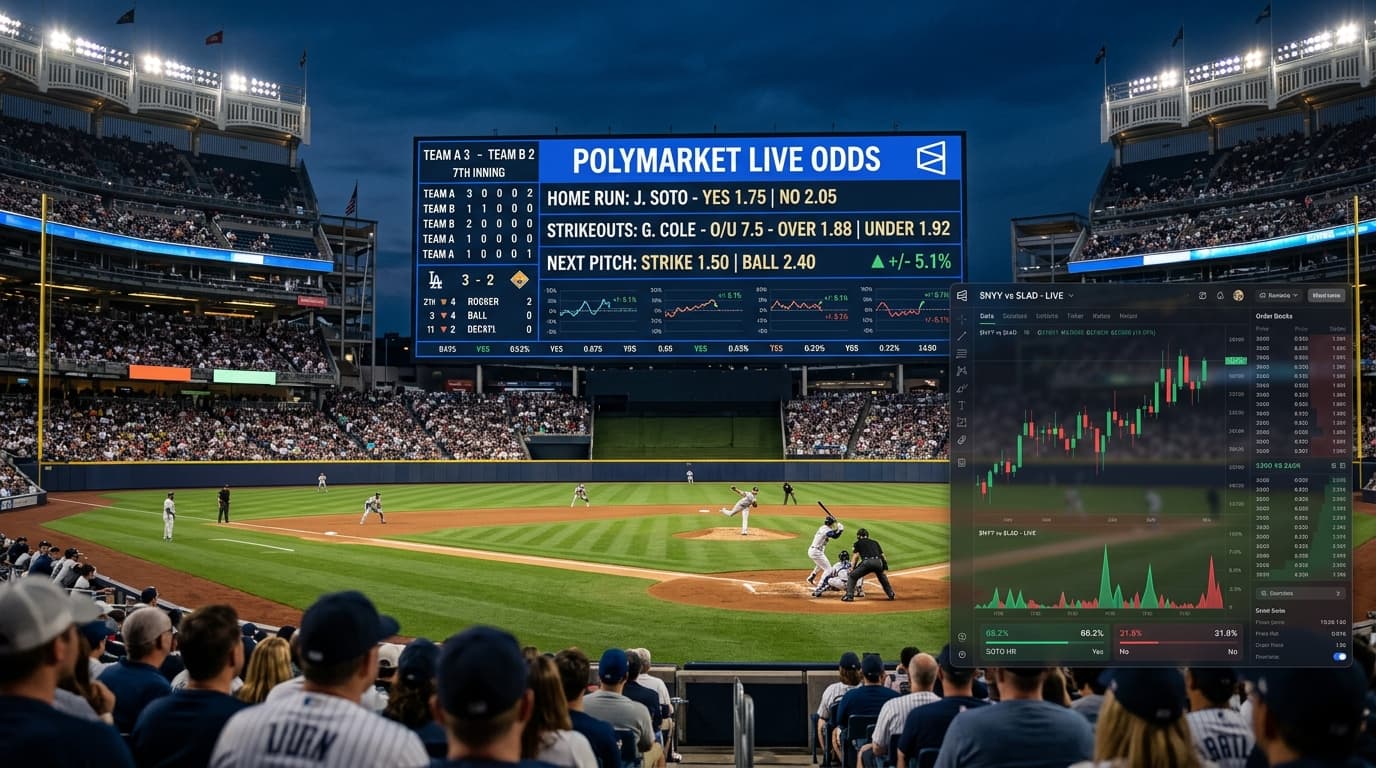
Polymarket has entered into a major partnership with Major League Baseball in March 2026, marking a significant step for prediction markets into the mainstream. However, this expansion is met with growing political opposition and regulatory scrutiny from the CFTC and former government officials concerned about market manipulation. As news organizations begin to integrate these markets as data sources, the industry faces critical questions regarding its legal status and ethical impact.
Internal records reveal the FCC coordinated to target Disney/ABC over content disputes, raising First Amendment concerns. Simultaneously, the US health department has dismantled 75 scientific advisory boards under RFK Jr., and the FBI has confirmed it is bypassing warrant requirements by purchasing private location data from commercial brokers.
Arizona has filed criminal charges against the prediction market Kalshi, alleging it operates an illegal gambling business without a state license. The case highlights a major jurisdictional conflict between federal financial regulation and state gambling laws.
The AI industry is confronting severe legal hurdles as xAI faces a lawsuit in Tennessee over Grok-generated harmful imagery of minors, while OpenAI is being sued by Encyclopedia Britannica for training its models on 100,000 copyrighted articles without permission. Amidst these battles, Anthropic is hiring weapons experts to bolster system safety and prevent misuse.
AI leader Anthropic has filed a high-profile lawsuit against the US government, challenging the White House's decision to blacklist the firm under labels of 'radical left' and 'woke.' The suit alleges violations of the Administrative Procedure Act and Constitutional rights, arguing the government's actions are politically motivated and lack a factual basis in national security. This legal battle underscores the growing tension over AI safety and ideological control, with major implications for technological autonomy in the US.
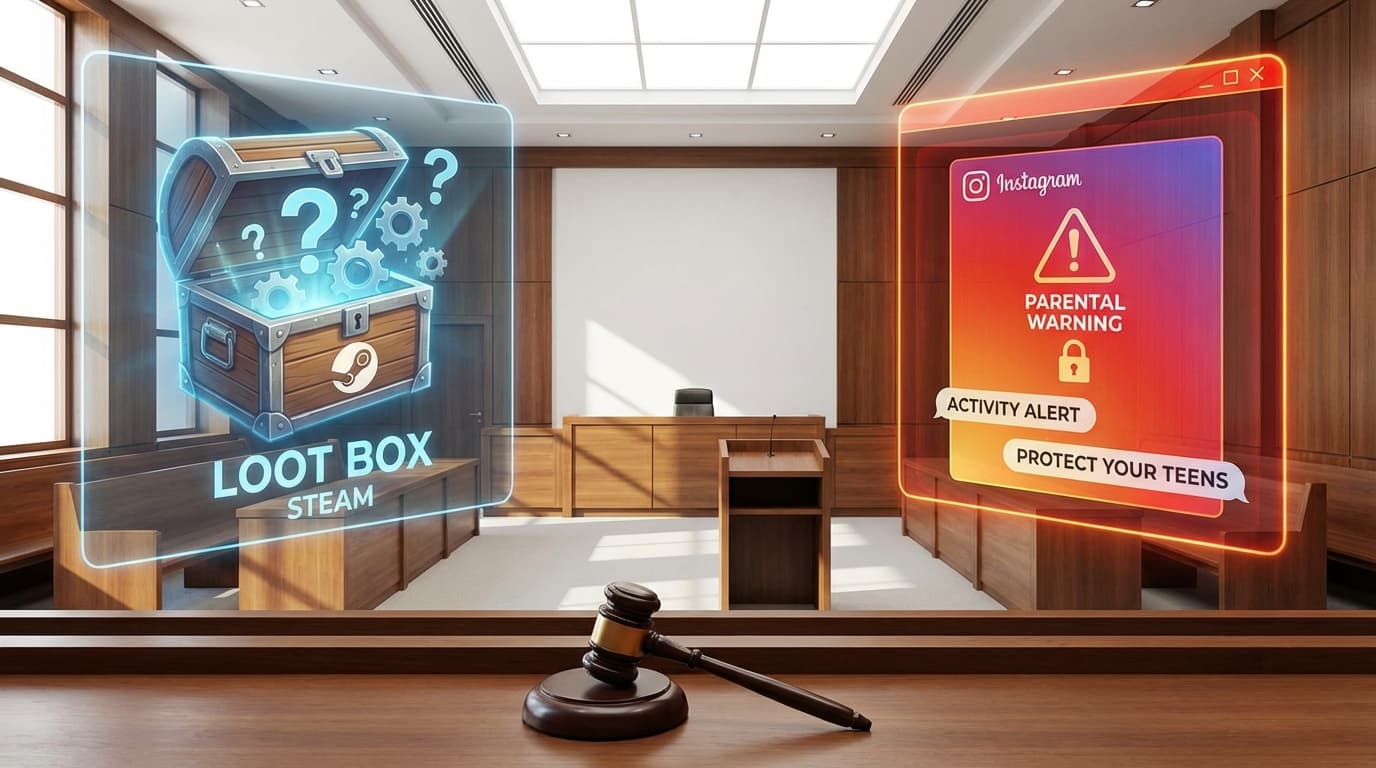
New York is suing Valve over loot boxes as illegal gambling, while Instagram introduces parent alerts for sensitive searches in response to child safety legislation.