
Context: The Politicization of Technical Oversight
In an increasingly polarized US political climate, independent technical regulators are finding themselves at the heart of partisan storms. Recent revelations regarding the Federal Communications Commission (FCC) and the Department of Health highlight a systemic shift in how regulatory power is exercised. From internal clashes with media conglomerates to the dismantling of scientific advisory structures, the boundaries of administrative authority are being tested, raising critical questions about the stability of US tech and health policy.
The FCC-Disney Clash: Retaliatory Regulation Concerns
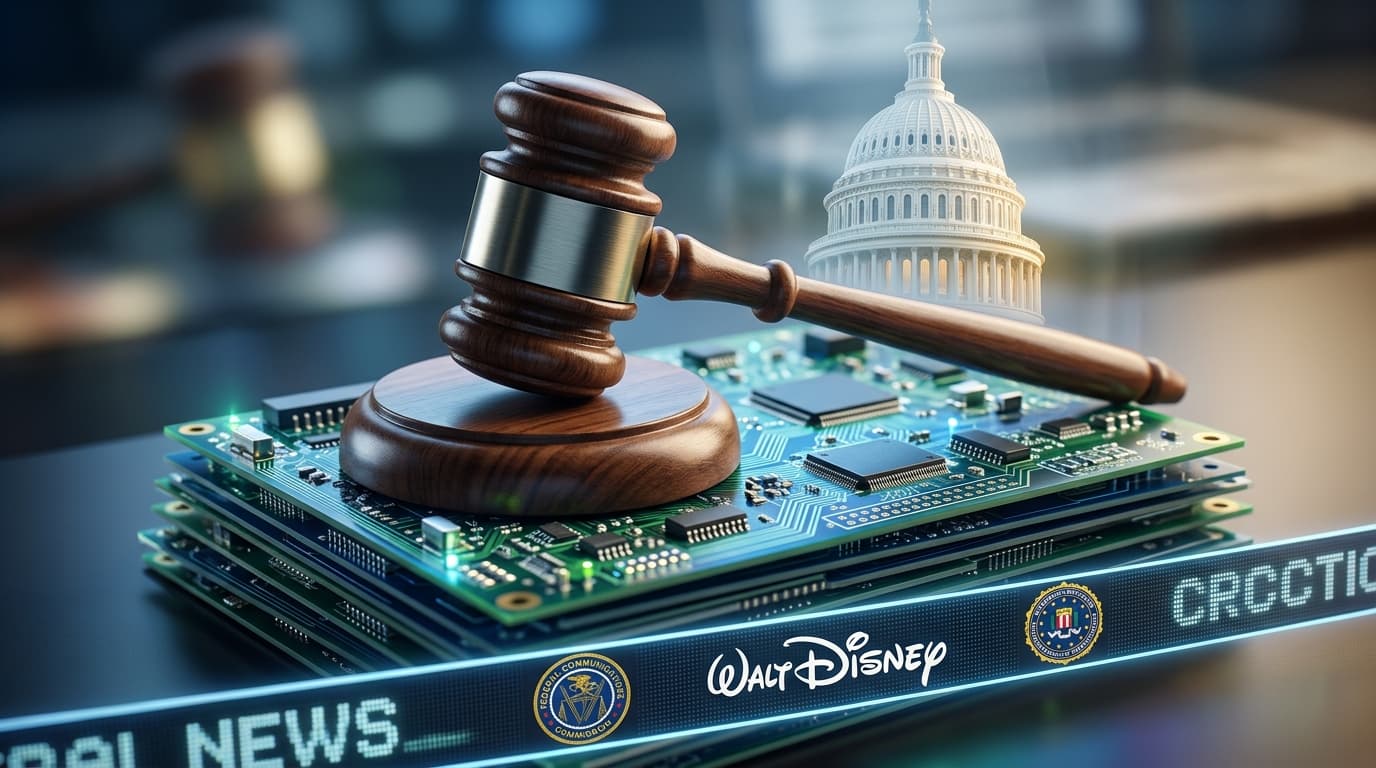
Internal records obtained by WIRED suggest a coordinated effort within the FCC to target Disney and its subsidiary, ABC. Emails reveal that the FCC Enforcement Chief offered support to Chair Brendan Carr in pursuing ABC following a controversial monologue by late-night host Jimmy Kimmel. While the FCC maintains it is enforcing broadcast standards, legal scholars warn that using regulatory mechanisms to punish speech could violate the Administrative Procedure Act (APA) and the First Amendment. This incident marks a potential precedent where technical oversight is used as a tool for political retribution.
Health Department Overhaul: The War on Expertise
In the realm of biotechnology and public health, Robert F. Kennedy Jr. has initiated a massive restructuring. Reports indicate that over 25% of the health department's expert advisory panels—totaling 75 boards—have been abolished. These committees were vital in guiding pharmaceutical safety, vaccine standards, and emerging biotech ethics. Governed by the Federal Advisory Committee Act (FACA), the termination of these panels requires strict transparency. Critics argue that this systematic removal of scientific expertise leaves a power vacuum that could lead to arbitrary policy decisions, impacting the long-term reliability of US health regulations.
Privacy and the Third-Party Doctrine: FBI Data Purchases
Simultaneously, the FBI has confirmed it is once again purchasing American citizens' location data from commercial brokers. This practice navigates a legal gray area established by the "third-party doctrine." While the landmark case Carpenter v. United States requires a warrant for seizing location data from carriers, the government argues that buying the same data from brokers does not trigger the same Fourth Amendment protections. Supporters like Senator Tom Cotton compare this to searching abandoned trash, while privacy advocates warn that it creates a surveillance state where constitutional rights can be bypassed with a checkbook.
Market Impact and Public Sentiment
Google Trends data from tech centers like California shows persistent engagement with "Privacy" and "AI Policy" topics. For the technology sector, the primary concern is the loss of "regulatory predictability." Companies like Disney now face the risk of being targeted not for technical failures, but for content-related friction with regulators. This creates a "chilling effect" on media and tech innovation, as firms prioritize political compliance over creative or technological risk-taking. The erosion of expert panels also leaves biotech firms without a clear roadmap for future compliance.
Future Outlook: A New Framework for Accountability
The coming years will likely see a surge in litigation as companies and advocacy groups challenge these regulatory shifts. The core battle will center on whether administrative agencies can maintain their roles as neutral experts or if they will fully transition into political extensions of the executive branch. As scientific advisory boards disappear and surveillance techniques evolve, the legal system will be forced to redefine what constitutes "arbitrary and capricious" governance. The outcome will determine the future of innovation and civil liberties in the digital age.