
The Digital Synthesis: Polymarket Strikes Major Deal with MLB
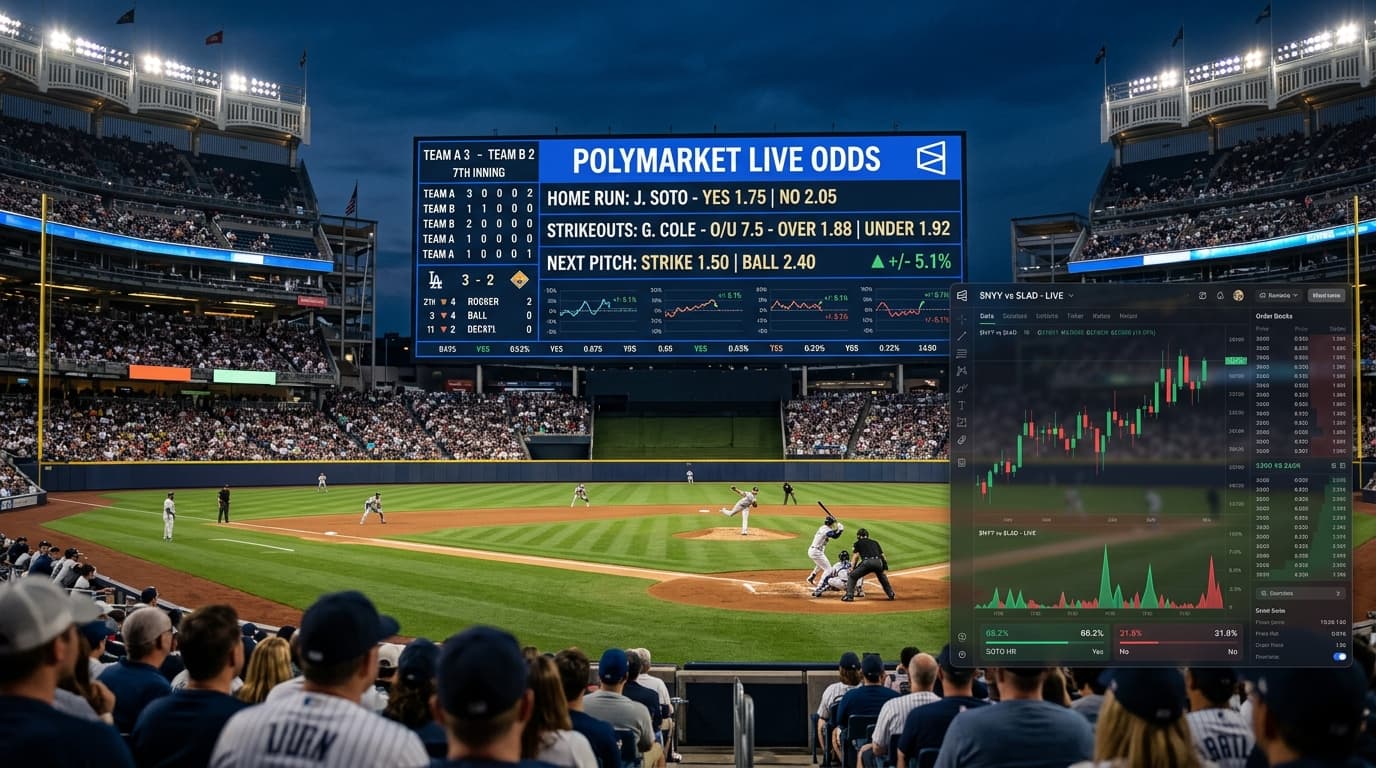
In a historic move that signals the mainstreaming of decentralized finance, the prediction market platform Polymarket signed a multi-year partnership with Major League Baseball (MLB) in March 2026. As reported by TechCrunch, this deal provides Polymarket with official MLB data licensing, ensuring high-fidelity settlement for a vast array of game-related event contracts. This partnership is more than a simple branding exercise; it is a calculated attempt to reposition prediction markets as essential "information discovery" tools rather than fringe gambling sites.
This follows a streak of aggressive cultural integrations by Polymarket, including high-profile odds displays during the Golden Globes and data partnerships with major Substack newsletters. The core philosophy driving this expansion is the belief that skin-in-the-game markets produce more accurate forecasts than traditional polling or expert opinion. By aligning with a cornerstone of American culture like baseball, Polymarket is effectively turning sports outcomes into tradable financial assets for the general public.
The Sword of Damocles: Mounting Regulatory Scrutiny
However, this commercial ascent is happening in a legal gray area. Polymarket still operates under the shadow of a 2022 settlement with the Commodity Futures Trading Commission (CFTC), which previously fined the company for offering unregistered event contracts. While legal victories by competitors like Kalshi have provided some breathing room for the industry, political opposition is mounting. Wired reports that a former top Trump administration official has launched a coalition specifically aimed at restricting prediction markets, citing concerns over market manipulation and the integrity of American institutions.
Regulators are primarily concerned with the feedback loop created by massive financial bets on political or social events. If millions of dollars are riding on the outcome of a policy decision or an election, does it incentivize participants to manufacture disinformation to move the needle? The MLB partnership may add further fuel to this fire, potentially triggering scrutiny under state-level sports betting laws or the remnants of the Professional and Amateur Sports Protection Act (PASPA) framework.
Media Convergence: The New Data Frontier
An intriguing trend is the deepening relationship between prediction markets and the news media. The Verge reports that platforms like Kalshi and Polymarket are increasingly luring journalists and news organizations into data-sharing partnerships. The Associated Press has already begun licensing election data to Kalshi, illustrating a shift where mainstream media views market odds as a legitimate data source for reporting.
This convergence raises significant ethical dilemmas. If a newsroom’s traffic—and potentially its revenue—becomes tied to the activity on a prediction market, does it color their reporting? The risk of "narrative-driven market manipulation" becomes real when the boundary between reporting the news and betting on the news is blurred. Despite technical glitches in search metrics, qualitative data suggests a significant spike in interest regarding "Polymarket legality" across major metropolitan centers.
Future Outlook: Digital Oracles and Market Volatility
2026 represents a watershed moment for the industry. The inflow of capital and user attention from the MLB deal provides the resources needed to build robust technological infrastructure, but it also paints a larger target on the platform's back. The survival of prediction markets will depend on their ability to prove social utility as a "digital oracle" that can forecast crises, supply chain disruptions, or political shifts more effectively than any centralized agency.
Looking forward, the next evolution involves the integration of AI agents into these markets. Autonomous bots, capable of processing news in real-time and executing trades in milliseconds, could dramatically increase market efficiency. However, they could also lead to "flash crashes" in prediction data, necessitating new forms of circuit breakers. As Polymarket steps onto the field with MLB, it is no longer just a niche crypto project; it is the vanguard of a new, high-stakes information economy.