Environmental Impact of AI Data Centers Scrutinized
Tech giants' reliance on gas-powered data centers is under scrutiny, with reports indicating massive potential greenhouse gas emissions that face increasingly strict environmental regulations.
The U.S. Energy Information Administration (EIA) has announced that data centers must now disclose detailed energy usage information. This move aims to mitigate grid strain caused by AI growth and enhance national energy security.
As the AI boom drives unprecedented demand for electricity, the US EIA is planning mandatory energy usage assessments for data centers. With European power grids also under extreme pressure, data centers are increasingly being treated as regulated industrial utilities, forcing a focus on efficiency and sustainability.
Iran has threatened OpenAI's proposed 'Stargate' data center in Abu Dhabi, highlighting the vulnerability of AI infrastructure to geopolitical conflict and raising complex legal issues.
Iran has issued threats against OpenAI’s planned Stargate data center in Abu Dhabi, highlighting how digital infrastructure has become a new front in geopolitical conflicts and raising significant international legal and security concerns.
Cyberattacks on data centers and supply chains are on the rise, pushing the industry to adopt the Open Cybersecurity Schema Framework (OCSF). Adopting OCSF improves threat detection and helps enterprises meet regulatory demands while providing a legal defensive layer against negligence claims during breaches.
The expansion of AI data centers is hitting bottlenecks due to power infrastructure issues, community resistance to gas plants, and tariff-related construction delays.
To meet growing energy needs, tech giants are building private natural gas plants, but are facing significant delays due to 2026 trade tariffs on energy infrastructure. Combined with regulatory oversight and increasing community resistance to high-energy data centers, the industry's strategy is facing severe legal and geopolitical hurdles.
Tech giants are building on-site natural gas plants to power AI data centers, facing regulatory hurdles from FERC/NEPA and project delays due to trade tariffs, complicating their energy strategies.
Massive electricity demand from AI data centers is putting severe strain on European power grids. The EU is enforcing stricter regulations like the Energy Efficiency Directive and the AI Act, forcing tech firms to balance computing growth with energy stability.
US lawmakers are pushing for mandatory electricity disclosure for data centers to address concerns regarding the infrastructure and environmental impact of AI-driven computing, reflecting a broader trend of ESG regulation.
U.S. senators are pushing for mandatory reporting of electricity usage by data centers to address the strain on power grids and energy security concerns posed by rapidly expanding AI infrastructure.
Senator Bernie Sanders and Representative Alexandria Ocasio-Cortez have introduced legislation to halt the construction of new data centers, citing environmental and safety concerns related to AI infrastructure expansion.
Jeff Bezos' Blue Origin has launched 'Project Sunrise,' an initiative to build space-based data centers using a 50,000-satellite constellation. The project focuses on high-energy on-orbit computing to bypass terrestrial energy limits and provide low-latency processing for global AI and defense applications.
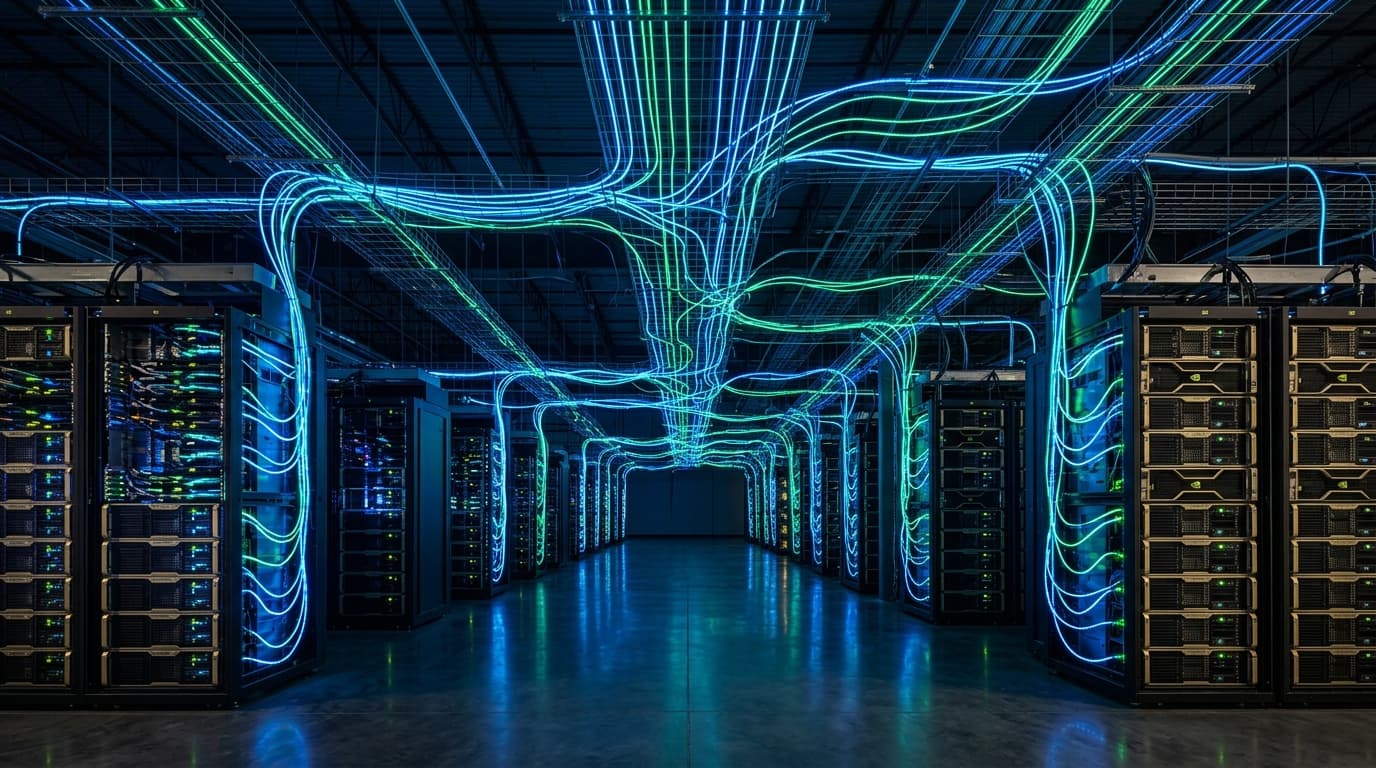
Nvidia's networking division reached $11 billion in quarterly revenue, solidifying its position as the company's second-largest pillar. Leveraging InfiniBand and Spectrum-X, Nvidia has transformed individual GPUs into integrated data center platforms, redefining the AI infrastructure market.
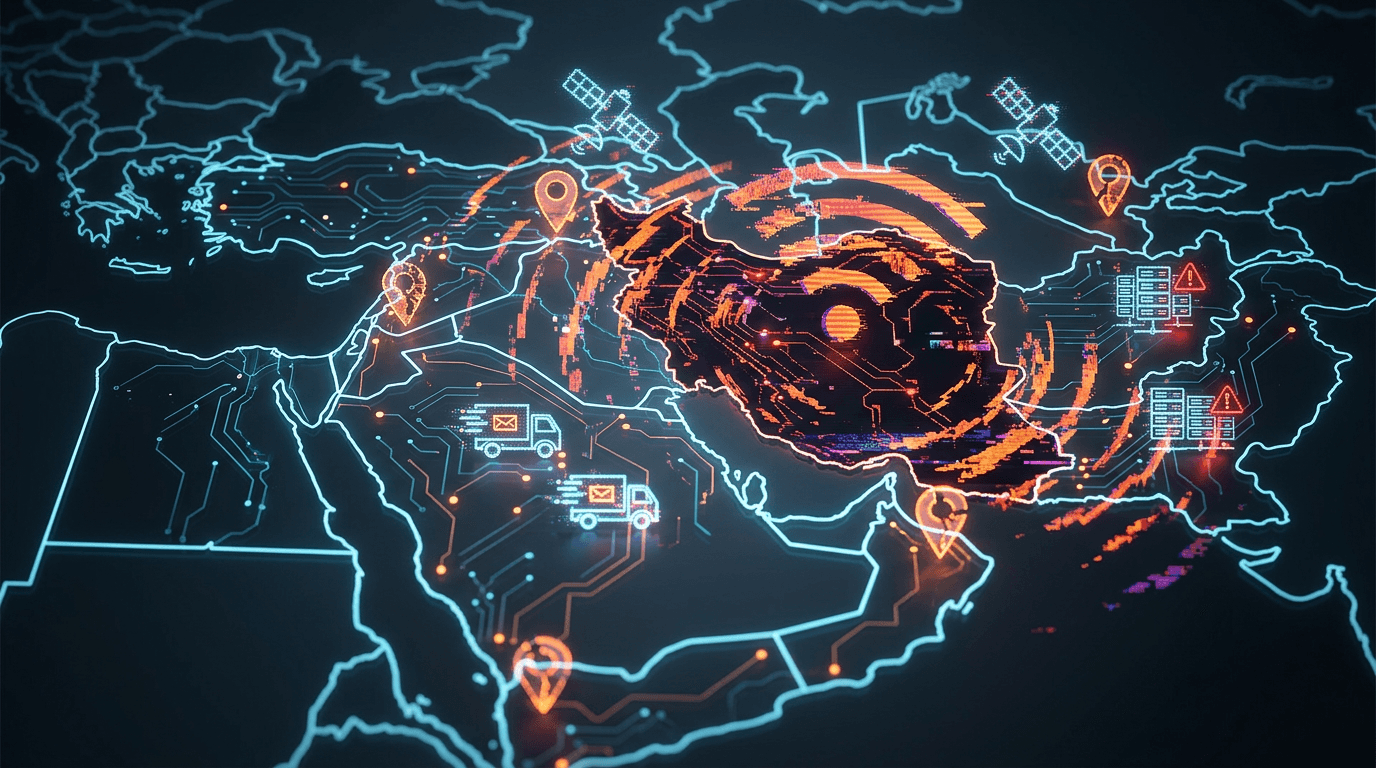
Electronic warfare near Iran is causing massive GPS disruptions, crippling delivery and navigation apps across the region. The conflict is also driving up electricity costs for data centers due to energy price hikes. In a separate scientific breakthrough, researchers discovered that bumblebee queens can survive underwater for long periods.
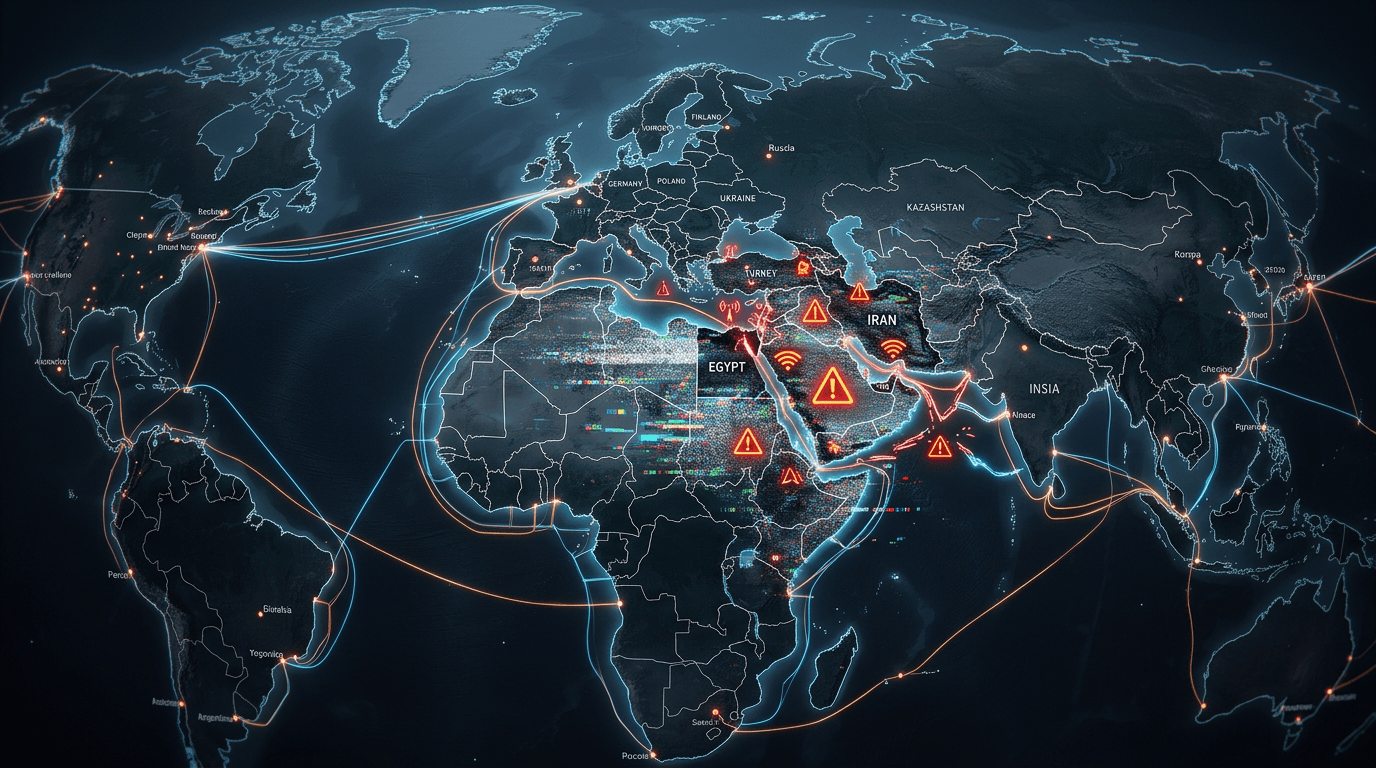
Electronic warfare in the Iran conflict is causing massive GPS disruptions for global logistics apps. Simultaneously, rising energy prices are driving up data center operational costs, highlighting the vulnerability of global tech infrastructure to regional wars.
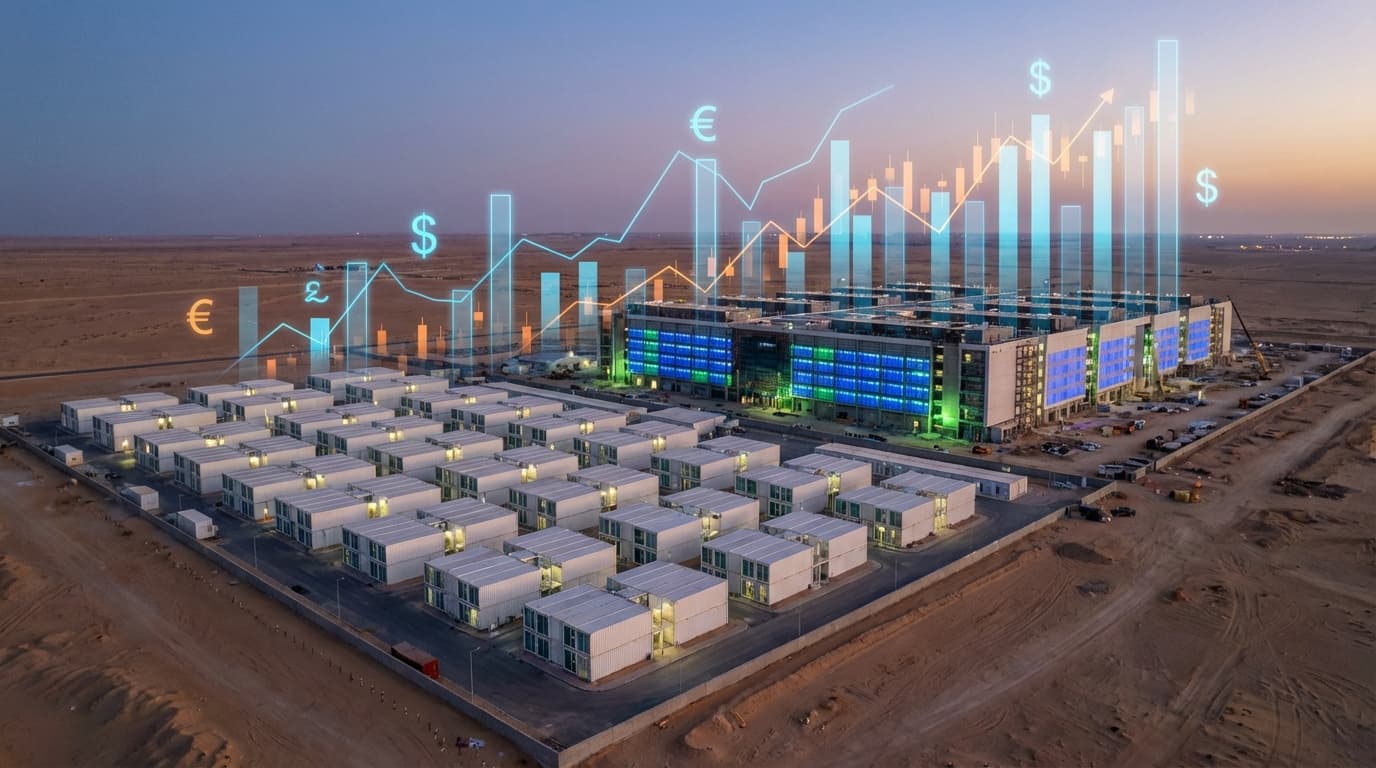
The AI boom is driving a surge in physical infrastructure, leading developers to use remote 'man camps' for data center construction workers. Simultaneously, the venture capital industry is facing disruption as AI agents begin to automate investment decisions traditionally based on human intuition. These shifts mark AI's transition into a heavy industrial and automated financial force.