

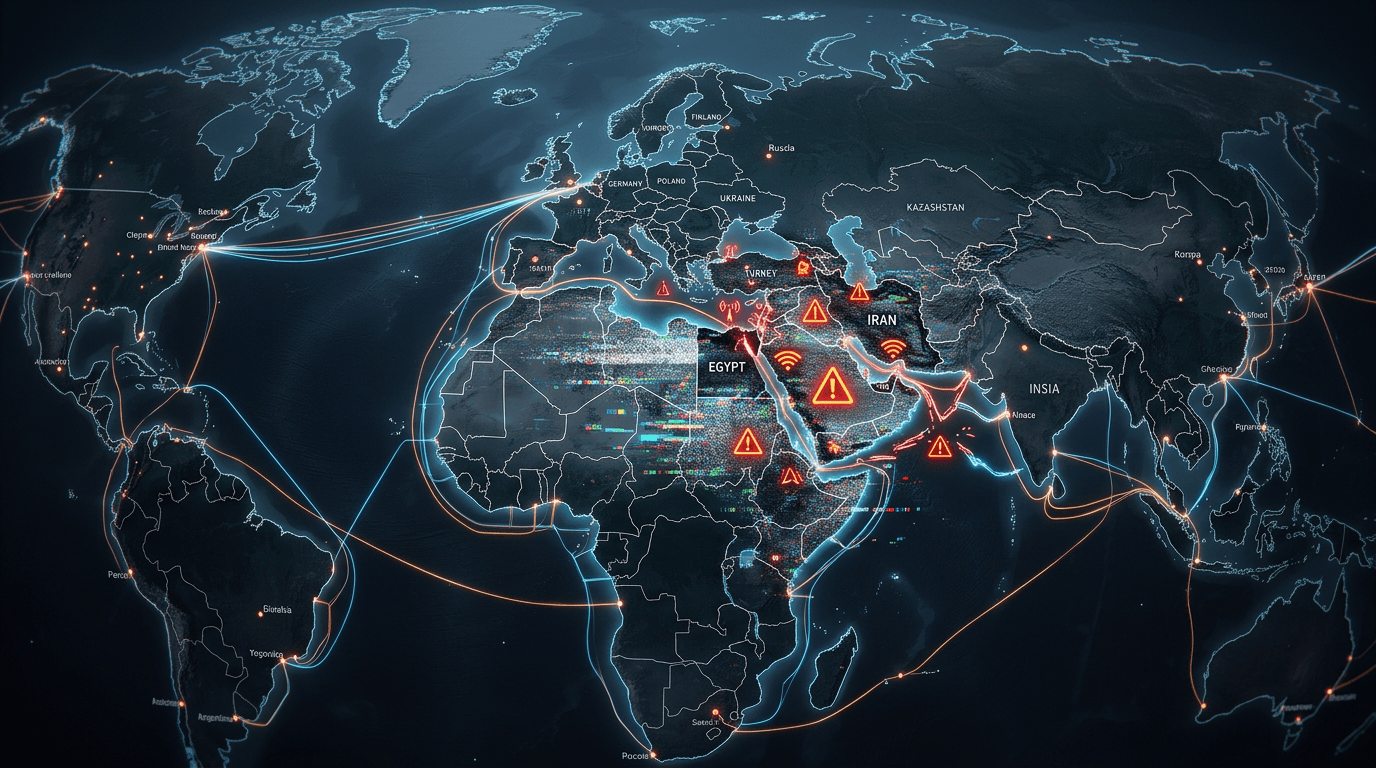
The Physical Toll of Geopolitical Digital Warfare
The escalating conflict in Iran has crossed a threshold, evolving from local skirmishes into a systemic threat to global technology infrastructure. On March 10, 2026, reports surfaced detailing extensive electronic warfare that has effectively crippled GPS-reliant systems across the region. According to WIRED, the disruptions are so severe that they are now impacting civilian mapping, logistics, and maritime shipping far beyond the immediate conflict zones.
GPS Spoofing: From Missiles to Delivery Apps
The primary weapon in this digital theater is GPS spoofing—a technique that broadcasts fake signals to mislead receivers. While designed to counter precision-guided missiles, its collateral damage includes the paralysis of local gig economy services. Delivery drivers and ride-hailing apps have reported navigation routes changing abruptly or manifesting in entirely different countries. This widespread interference underscores the vulnerability of the global positioning standards that underpin modern urban infrastructure.
Data Center Vulnerabilities and Energy Spikes
Beyond signal interference, the war is driving up the operational costs of the backbone of the internet: data centers. As energy prices for oil and gas surge due to the conflict, the electricity-heavy task of cooling and powering server farms has become significantly more expensive. The Verge reports that industry experts are warning of a ripple effect that could increase cloud computing costs globally. Furthermore, the disruption of shipping lanes in the region is complicating the delivery of critical semiconductor hardware needed for AI expansion.
Economic Fallout and Investor Caution
Financial markets have reacted with volatility, with major indices like the S&P 500 and Nasdaq showing sensitivity to daily developments in the Iran theater. Investors are increasingly concerned about the long-term viability of tech hubs in geopolitically unstable regions. The current situation serves as a stark reminder that the digital world remains tethered to physical geography and energy security. For tech giants, building "geopolitical resilience" is no longer an optional strategy but a necessity for survival in an increasingly fragmented world order.