Skip to content
Tech FrontlineBiotech & HealthPolicy & LawGrowth & LifeSpotlight
Set Interest Preferences中文

#Surveillance

11 articles
Abstract representation of global network nodes and digital signals, some glowing lines representing
Policy & Law

Surveillance Vendors Caught Exploiting Telecom Networks for Global Tracking

Surveillance vendors are exploiting cellular signaling protocols (SS7/Diameter) to track phone locations globally. Combined with the UK Biobank data leakage report, these incidents underscore systemic vulnerabilities in data security, demanding stricter global infrastructure oversight.

JessyJessy·
A conceptual legal illustration of a balance scale with one side labeled 'Security' and the other 'P
Policy & Law

Federal Surveillance Pushed Back: Courts and Congress Challenge Administrative Overreach

Federal surveillance programs face intense pushback as courts rule against government interference with protected speech and Congress rejects extensions of warrantless surveillance authorities.

JessyJessy·
A dimly lit room with rows of servers and glowing cables, a US Capitol building silhouette in the ba
Policy & Law

Legislative Gridlock: Section 702 Debate Pits National Security Against Privacy Rights

Legislation to extend Section 702 surveillance has stalled in Congress due to bipartisan concerns over documented abuses and the incidental collection of U.S. citizens' data, prompting demands for deep judicial reform.

JessyJessy·
policy
Policy & Law

Privacy Advocacy: EFF Challenges Google's Data Sharing Practices with ICE

The EFF is calling for an investigation into Google's data-sharing practices with ICE, arguing that the company fails to adequately notify users, which raises legal questions about user privacy and government surveillance.

JessyJessy·
An abstract conceptual image of a massive digital server network combined with a stylized depiction
Policy & Law

Congress Faces Crucial Deadline on FISA Section 702 Reauthorization

Section 702 of the FISA is set to expire on April 20, 2026, triggering an intense congressional debate over the need to close warrantless surveillance loopholes.

JessyJessy·
A conceptual image of a massive digital map of a city covered in thousands of glowing pinpoints, wit
Spotlight

Warrantless Surveillance: FBI Director Confirms Purchase of Americans' Location Data

FBI Director Kash Patel confirmed that the agency purchases commercially available location data of U.S. citizens, effectively bypassing the need for search warrants. This practice exploits a legal loophole and has sparked a fierce debate in Congress over the Fourth Amendment, leading to a push for new legislation to ban such warrantless acquisitions.

KenjiKenji·
A conceptual image of a massive shopping cart filled with glowing digital location pins and GPS maps
Policy & Law

The Backdoor to Privacy: FBI Confirms Routine Purchase of Citizen Location Data Without Warrants

FBI Director Kash Patel confirmed the agency purchases commercial location data to track citizens, bypassing the Fourth Amendment's warrant requirements. This disclosure highlights a 'data broker loophole' and has fueled bipartisan support for the 'Fourth Amendment Is Not For Sale Act' to end warrantless surveillance.

JessyJessy·
A dark, atmospheric digital art piece showing a silhouette of a person walking on a city street, whi
Policy & Law

The Shadows of Surveillance: CBP's Ad-Data Phone Tracking and Ring's Privacy Battle

CBP has been exposed for purchasing commercial advertising data to track phone locations, effectively bypassing Fourth Amendment warrant requirements. Meanwhile, Ring faces backlash over facial recognition, and global state actors are increasingly hijacking consumer cameras for espionage. Legislators are now racing to pass the 'Fourth Amendment Is Not For Sale Act' to close these surveillance loopholes.

JessyJessy·
A dark, atmospheric scene of a smartphone on a table, with glowing translucent maps and data streams
Policy & Law

Expanding Surveillance: CBP Exposed for Using Ad-Tech Data to Track Locations and Facial Recognition Deals

Wired reveals that CBP is buying commercial ad-tech data to track mobile phones and partnering with Clearview AI for tactical facial recognition. This practice bypasses warrant requirements and raises Fourth Amendment concerns. Meanwhile, hacked consumer security cameras in conflict zones like Ukraine highlight the growing risks of IoT-based surveillance.

JessyJessy·
A futuristic depiction of an AI company's logo standing firm against a dark, imposing Pentagon build
Policy & Law

The Great AI Schism: Anthropic’s Break with the Pentagon Over Safety and Surveillance

The Pentagon has designated Anthropic as a supply-chain risk following the collapse of a $200 million contract. The dispute arose over Anthropic's refusal to grant the military unrestricted control over its AI models for use in autonomous weaponry and domestic surveillance, sparking a major debate on AI ethics and national security.

JessyJessy·
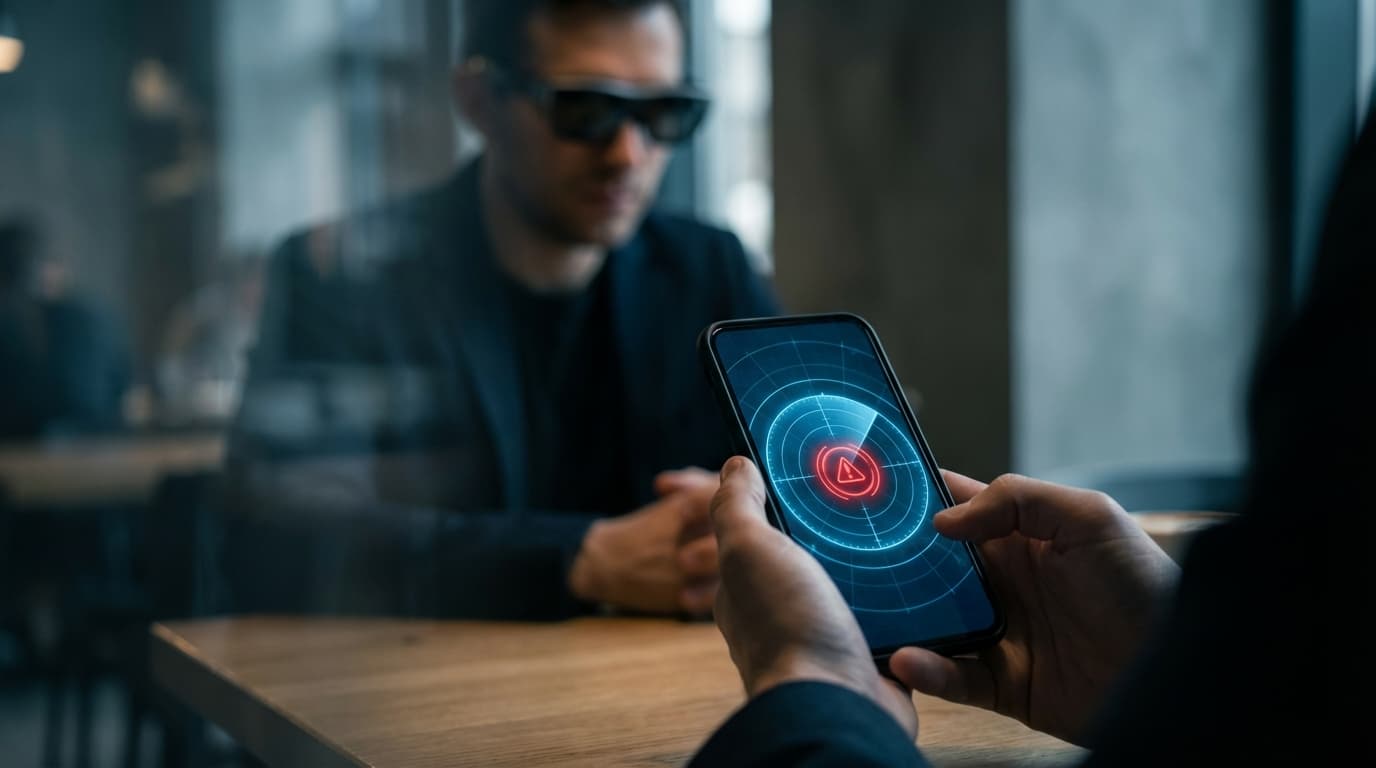
A close-up of a person looking at a smartphone screen showing a radar-like scanning interface with a
Spotlight

Stealth in the Spotlight: The Consumer-Led Revolt Against Always-On Smart Glasses

As smart glasses become widespread, a new app called "Nearby Glasses" has gone viral for its ability to detect nearby recording devices. This consumer-led anti-surveillance movement reflects collective anxiety over eroding privacy and is driving growth in the privacy protection tool market.

KenjiKenji·