

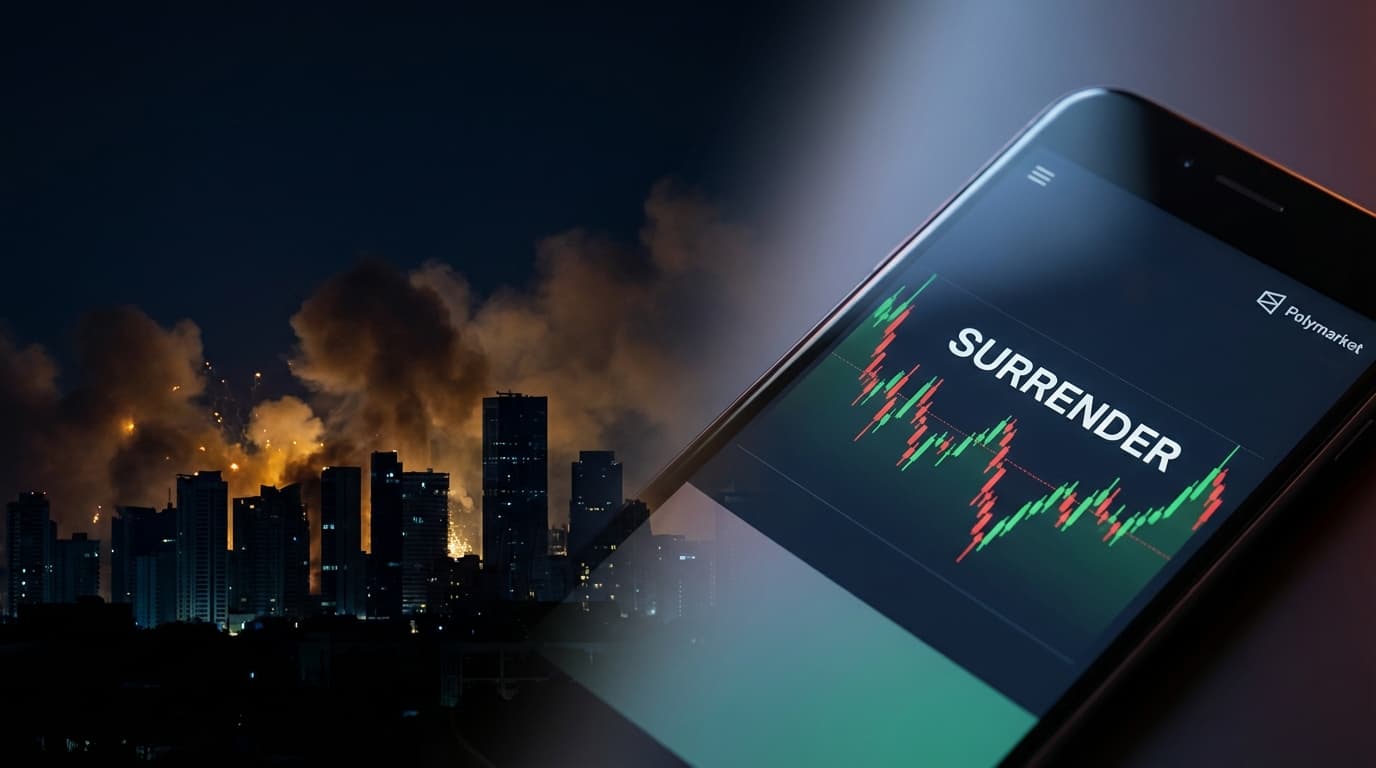
The New Frontier of Tech-Driven Warfare
As the military confrontation between the U.S.-Israel coalition and Iran escalated in early March 2026, technology platforms emerged as a primary dimension of the conflict. Beyond drones and kinetic strikes, the battlefield now extends to decentralized finance, hacked consumer apps, and algorithmic disinformation. From massive betting volumes on prediction markets to psychological operations targeting civilian mobile devices, technology is redefining how modern conflicts are processed, funded, and fought.
Prediction Markets: Trading the Outbreak of War
The decentralized platform Polymarket has become a controversial barometer for geopolitical events. According to TechCrunch (2026), over $529 million was traded on bets regarding U.S. strikes on Iran. Notably, six newly created accounts reportedly netted over $1 million in profit by correctly predicting the timing of the initial assault. While Polymarket operates under a 2022 settlement with the CFTC that restricts its U.S. operations, its global reach continues to attract massive liquidity. Legal scholars argue that "conflict betting" occupies a hazardous gray area, potentially incentivizing insider trading based on classified intelligence or influencing the events being bet upon.
Cyber Operations: Hacking Faith for Psychological Gains
In a chilling display of targeted cyber warfare, Iranian civilians found their personal devices turned into tools of intimidation. Wired (2026) reported that during the strikes on Tehran, hacked prayer applications sent push notifications urging users to "surrender" and promising amnesty. These psychological operations (PSYOPS) mark a significant breach of civilian-military boundaries. Under the frameworks established by the Tallinn Manual 2.0, targeting non-combatant civilian infrastructure—even for non-lethal messaging—raises profound questions regarding the international laws of armed conflict and the principle of distinction.
The Disinformation Vacuum on X
In the immediate aftermath of the strikes, the platform X became inundated with verifiable disinformation. Wired (2026) found hundreds of posts using outdated footage from previous conflicts, claiming they were live shots from Iran. The lack of robust verification meant that bot networks and verified "blue check" accounts amplified these narratives, creating an information vacuum that made real-time situational awareness nearly impossible. This highlights the ongoing struggle for social media platforms to maintain integrity during volatile geopolitical crises.
Trends and Public Sentiment
Google Trends data indicates a significant spike in interest for "Polymarket Iran bets," with interest scores in the US reaching 94. In the Middle East, terms like "Cyber attack notification" saw a 400% increase in search volume. This data reflects a world where technology is no longer an observer but an active participant in conflict. As the Strait of Hormuz remains a critical pressure point for the global economy, the role of these tech platforms in shaping market reactions and civilian morale will only grow in importance.