

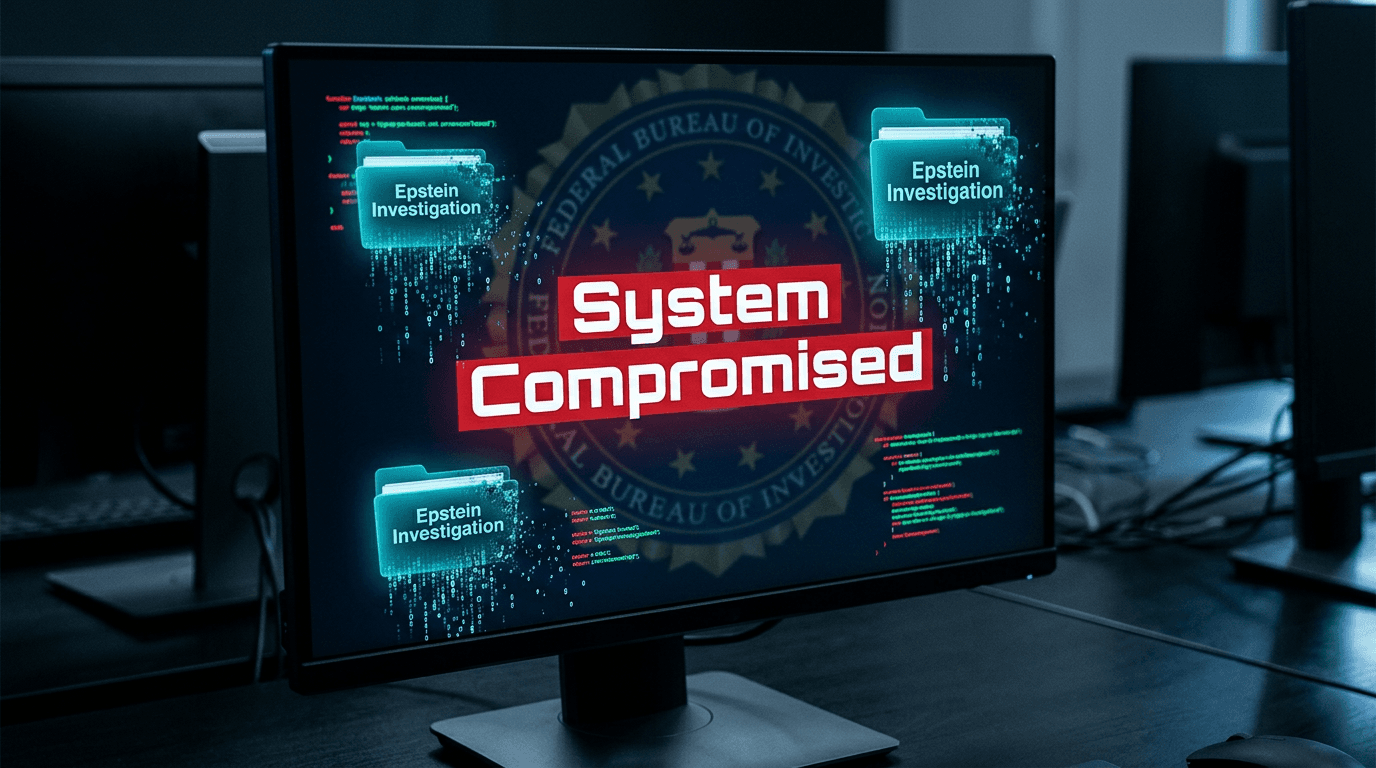
Shock in Washington: FBI Core Server Breached
According to a Reuters report published on March 11, 2026, a foreign hacker successfully infiltrated a critical server belonging to the Federal Bureau of Investigation (FBI). Shockingly, the compromised server contained a vast trove of highly sensitive files related to the Jeffrey Epstein sex trafficking investigation. As reported by TechCrunch, the hacker initially failed to realize the identity of their target, treating the server as just another high-value objective. It was only after the data was exfiltrated and analyzed that the magnitude of the breach became apparent. The FBI has since locked down the affected systems and is working with national security agencies to assess the scope of the damage.
Breach Details and Data Nature: What Was Exposed?
While formal academic post-mortems for this March 2026 incident are not yet available in databases like ArXiv, preliminary reports suggest that the stolen data includes unreleased witness depositions, private communication logs, and sensitive personal information of victims. The intruder reportedly exploited a previously unknown "zero-day" vulnerability to gain access. Legal experts emphasize that if these files contain details from ongoing investigations or documents under judicial seal, their exposure could derail legal proceedings and endanger witnesses. Posts on dark web forums suggest the hacker is now attempting to auction the files to geopolitical interests.
Legal and Privacy Fallout: Federal Liability
The breach raises urgent questions regarding federal liability. Under the Privacy Act of 1974, federal agencies are legally mandated to safeguard personal records from unauthorized access. If the FBI is found to have been negligent in its cybersecurity protocols, individuals named in the files could potentially seek damages under the Federal Tort Claims Act (FTCA). Furthermore, since many of the documents were governed by judicial protective orders, the breach represents a complex violation of court-mandated secrecy. The hacker faces prosecution under the Computer Fraud and Abuse Act (CFAA), though extraditing a foreign operative remains a significant diplomatic and legal hurdle.
Market Reaction and National Security Concerns
The intrusion has sent shockwaves through the global cybersecurity industry. Although Google Trends data encountered a technical 429 error, search interest in keywords like "FBI Breach" and "Epstein Files" has spiked across major news outlets. The incident underscores the reality that even the world’s premier law enforcement agencies are not immune to sophisticated cyberattacks. Investors are now pivoting toward firms offering "sovereign-grade" security solutions. Meanwhile, members of Congress are demanding emergency hearings on the protection of critical digital assets, fearing that such breaches could represent broader national security vulnerabilities.
Future Outlook: Long-Term Consequences of the Leak
The Jeffrey Epstein case remains one of the most politically sensitive topics in the United States. Any unreleased information related to his network carries immense potential for scandal or blackmail. If these files reach the public domain or the hands of hostile actors, they could trigger a new wave of allegations against high-profile figures globally. The FBI’s reputation has taken a significant hit, and a massive overhaul of its cybersecurity architecture is expected in the coming months. For the public, this event is a grim reminder that in the digital age, even the most clandestine and authoritative archives are constantly at risk from the shadows. How the DOJ and FBI manage the containment of this data will be the focus of intense scrutiny.