
Context: A New High-Water Mark for Mobile Cyber Espionage
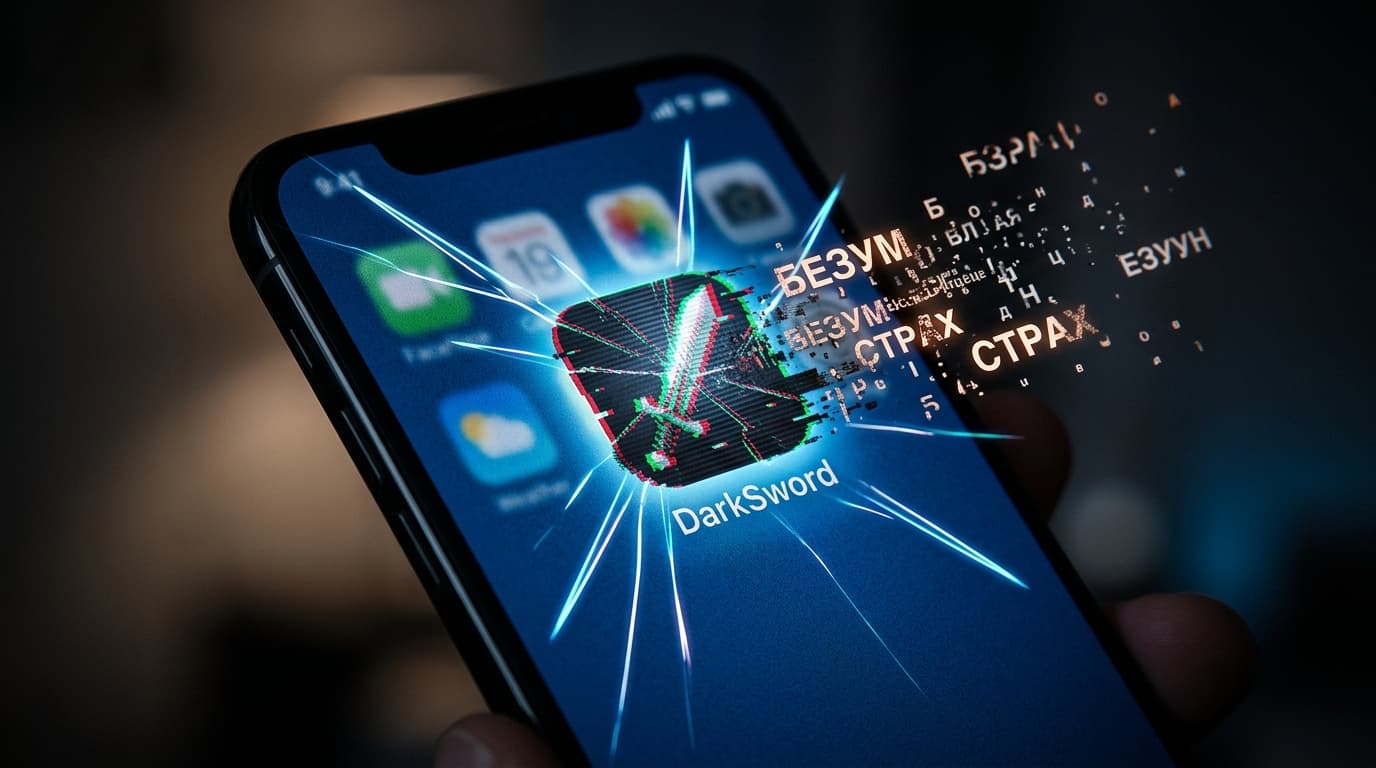
On March 18, 2026, cybersecurity firms identified a formidable new hacking tool dubbed "DarkSword," which is currently being deployed in the wild. Attributed to Russian state-sponsored threat actors, DarkSword is specifically designed to breach Apple's newest operating system, iOS 18. This discovery underscores the persistent vulnerability of even the most sophisticated mobile ecosystems to national-level cyber campaigns. Unlike traditional malware that requires user permission, DarkSword represents a dangerous evolution in "water-hole" style attacks.
Technical Analysis: Exploiting the WebKit Engine
DarkSword leverages a sophisticated zero-day vulnerability within WebKit, the underlying engine that renders web content on iOS. According to security reports from Wired and The Verge, the exploit is a low-interaction attack that can be triggered simply by visiting a malicious URL. Once a user navigates to an infected site, the DarkSword payload executes in the background, bypassing the iOS sandbox to gain kernel-level privileges. This level of access allows attackers to exfiltrate private data, including encrypted messages, call logs, photos, and even private keys from cryptocurrency wallets, all without the user's knowledge.
Operational Scope: From Regional Espionage to Global Threat
While initial campaigns appear to have focused on Ukrainian targets for the purposes of intelligence gathering and financial theft, the tool's underlying technology poses a global risk. Because iOS 18 is widely adopted across hundreds of millions of devices, the footprint of the vulnerability is massive. Security analysts warn that Russian actors could easily repurpose DarkSword for broader corporate espionage or political surveillance. TechCrunch reports that several infected websites were hijacked legitimate domains, making it nearly impossible for an average user to distinguish a safe link from a malicious one.
Apple’s Response and Mitigation Strategies
Apple is reportedly working around the clock on an emergency patch to address the WebKit vulnerability exploited by DarkSword. In the interim, security experts are urging high-risk individuals—such as journalists, activists, and government employees—to enable "Lockdown Mode" on their iPhones. This feature severely limits certain web functionalities but provides the strongest defense against zero-click and low-interaction exploits. Additionally, users are advised to be extremely cautious with links sent via SMS or social media. Google Trends indicates a 300% spike in search interest for "iPhone security update" as users scramble for information on how to protect their devices.
Outlook: The Escalating Arms Race in Mobile Security
The DarkSword incident serves as a stark reminder that as operating systems become more complex, the attack surface for sophisticated actors continues to grow. The use of AI-driven vulnerability discovery is making it easier for state-sponsored groups to find and weaponize zero-day exploits faster than ever before. For Apple, maintaining the "impenetrable" image of the iPhone requires a fundamental shift in how it handles web rendering and sandbox isolation. As we await the next security update, the DarkSword threat highlights the thin line between digital convenience and total device compromise in the modern era.