

Escalation in the Middle East: A Joint Combat Operation Begins
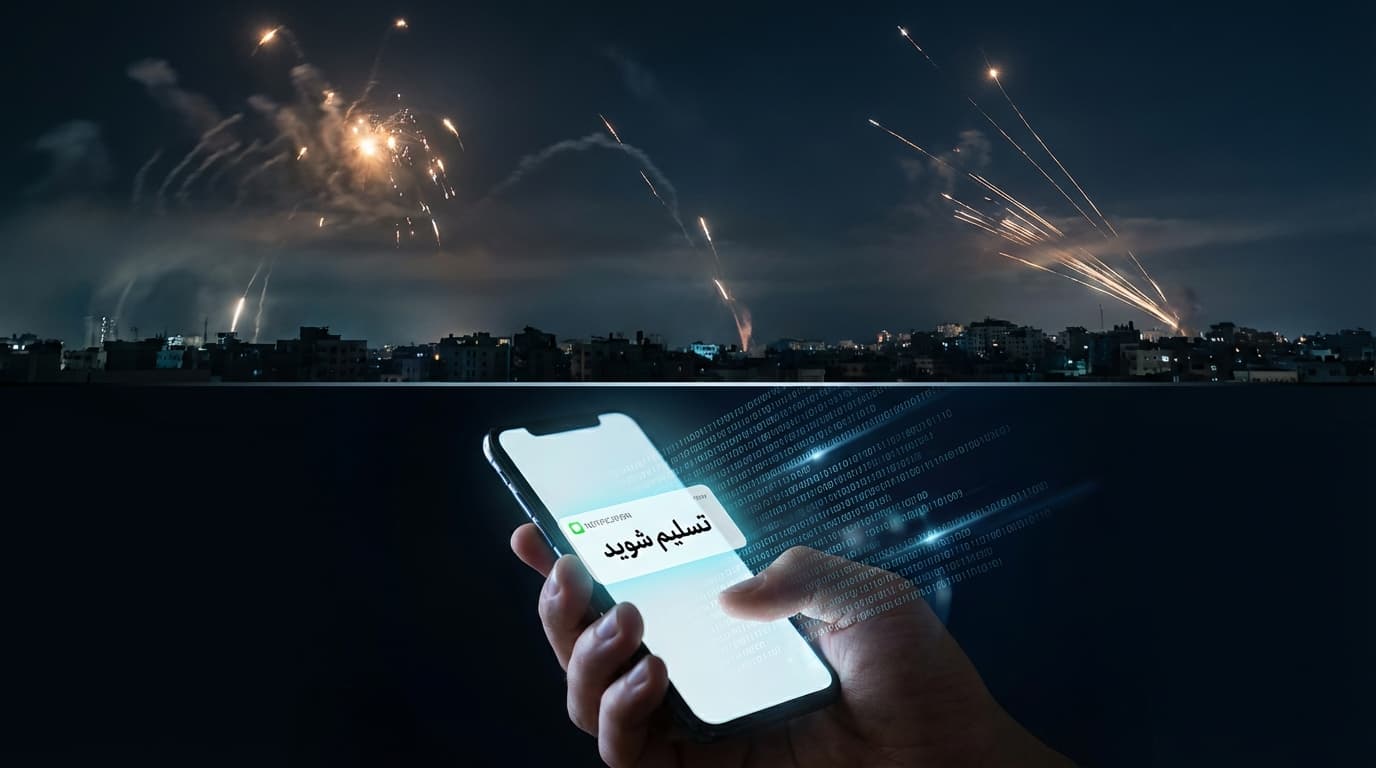
In late February 2026, the Middle East descended into a severe crisis as US President Donald Trump announced the commencement of a 'major combat operation' against Iran. The joint offensive between the US and Israeli forces targeted multiple military installations within Iranian borders. According to Wired (2026), the strikes were met with immediate retaliation, activating the UAE’s missile shield to intercept incoming projectiles, underscoring the regional scale of the conflict.
The Digital Front: Hacked Apps and Psychological Operations
The physical battle was accompanied by a sophisticated digital campaign aimed at the Iranian populace. In a chilling example of modern hybrid warfare, a popular Iranian prayer app was compromised by hackers. As reported by Wired (2026), users across Tehran and other cities received push notifications promising amnesty and claiming that 'help is on the way' if they surrendered. This direct targeting of civilians via daily-use technology represents a tactical evolution in psychological operations (PSYOPS).
Chaos on X: The Disinformation Tsunami
Simultaneously, the platform X (formerly Twitter) was overwhelmed by a surge of disinformation. Researchers observed hundreds of verified and bot accounts spreading misleading claims regarding the scale of the attacks and casualty figures. Many posts featured AI-generated imagery or miscontextualized videos from previous conflicts. According to Wired (2026), the platform’s current algorithmic structure struggled to keep pace with the sheer volume of manipulated content, facilitating a feedback loop of fear and confusion.
Academic analysis of such events (e.g., ArXiv:2602.23323v1) highlights the use of 'adversarial engagement models' to influence large populations. While theoretical frameworks for countering these swarms exist, the real-world application during the Iran strikes demonstrated the extreme difficulty of maintaining informational integrity in a polarized digital environment.
Outlook: Digital Sovereignty and the New Battlefield
The Iran strikes have proven that the digital landscape is as volatile as the physical one. The hacking of civilian apps and the high-stakes betting on prediction markets like Polymarket show that tech is no longer just a tool but the very fabric of modern conflict. Governments worldwide must now prioritize the security of civilian mobile infrastructure, as everyday applications become the next frontier for international power struggles and psychological influence.