
National Security Meets Market Intervention
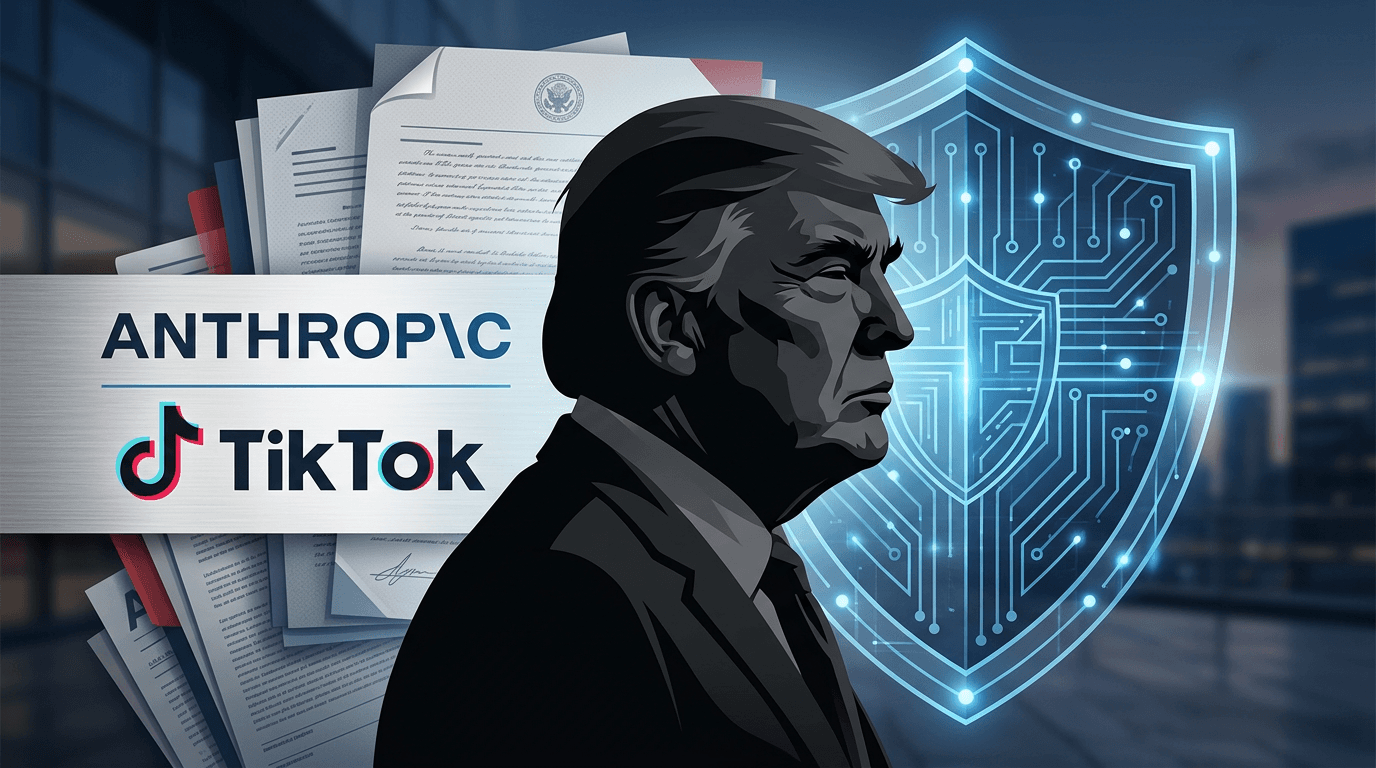
The Trump administration is escalating its interventionist approach toward the tech sector with two aggressive new moves that have sent ripples through Silicon Valley and Washington. First, the administration is moving to ban federal government use of products from AI giant Anthropic, citing "supply chain risks." Second, reports have emerged that the administration is allegedly seeking a $10 billion "brokerage fee" for its role in facilitating the TikTok-Oracle deal. Together, these actions signal a paradigm shift where national security, technological compliance, and economic statecraft are inextricably linked.
The Anthropic Ban: Legal Authorities and Supply Chain Risk
As reported by Wired, US military and national security agencies have labeled Anthropic a potential "supply chain risk." The proposed ban is likely to invoke the International Emergency Economic Powers Act (IEEPA) or principles established under Section 889 of the National Defense Authorization Act (NDAA), which empower the Executive Branch to restrict entities deemed harmful to national interests. Anthropic has pushed back forcefully, describing the label as "arbitrary and capricious." Legal analysts suggest the company may challenge the move under the Administrative Procedure Act (APA), forcing the military to produce specific evidence of risk. A permanent ban would severely limit Anthropic's footprint in the lucrative public sector market.
The $10 Billion TikTok Fee: A Constitutional Quagmire
In an even more controversial move, sources cited by The Verge and the Wall Street Journal allege that the administration is seeking a $10 billion fee from the new investors of TikTok, including Oracle, for brokering the deal. Donald Trump has previously claimed that the US should receive a "tremendous fee" for its efforts. However, constitutional experts point out that the Executive Branch lacks statutory authority to levy what essentially amounts to a "brokerage fee" on private commercial transactions. Such a demand could potentially violate the Takings Clause of the Fifth Amendment or run afoul of the Miscellaneous Receipts Act, which requires specific Congressional authorization for government revenue collection.
Silicon Valley Anxiety and Trends Analysis
The administration's stance has triggered a wave of concern across the tech ecosystem. Google Trends data shows an interest score of 96 for "AI" in California, highlighting the extreme sensitivity of the region to any policy shifts affecting intelligence-related firms. On social media, the debate over the Anthropic ban has sparked fears of a broader technical censorship of specific AI architectures. For the administration, these moves are seen as necessary tools to protect national security and exert leverage over big tech, but for the industry, they represent a significant increase in geopolitical and regulatory risk.
Future Outlook: A New Era of Tech Regulation
As the Trump administration continues to tighten its grip on the tech industry, experts anticipate a surge in scrutiny regarding "supply chain transparency." The Anthropic case could set a precedent requiring AI firms to disclose more about their training data and corporate ownership. Regarding the $10 billion TikTok fee, the outcome will redefine the role of the US government in private market transactions. Observers suggest that this unpredictable regulatory environment may drive tech firms to relocate operations overseas or increase their lobbying efforts in Washington. The battle over technology, law, and politics is only just entering its most intense phase.