
The Collapse of Trust: From Delve to Trivy
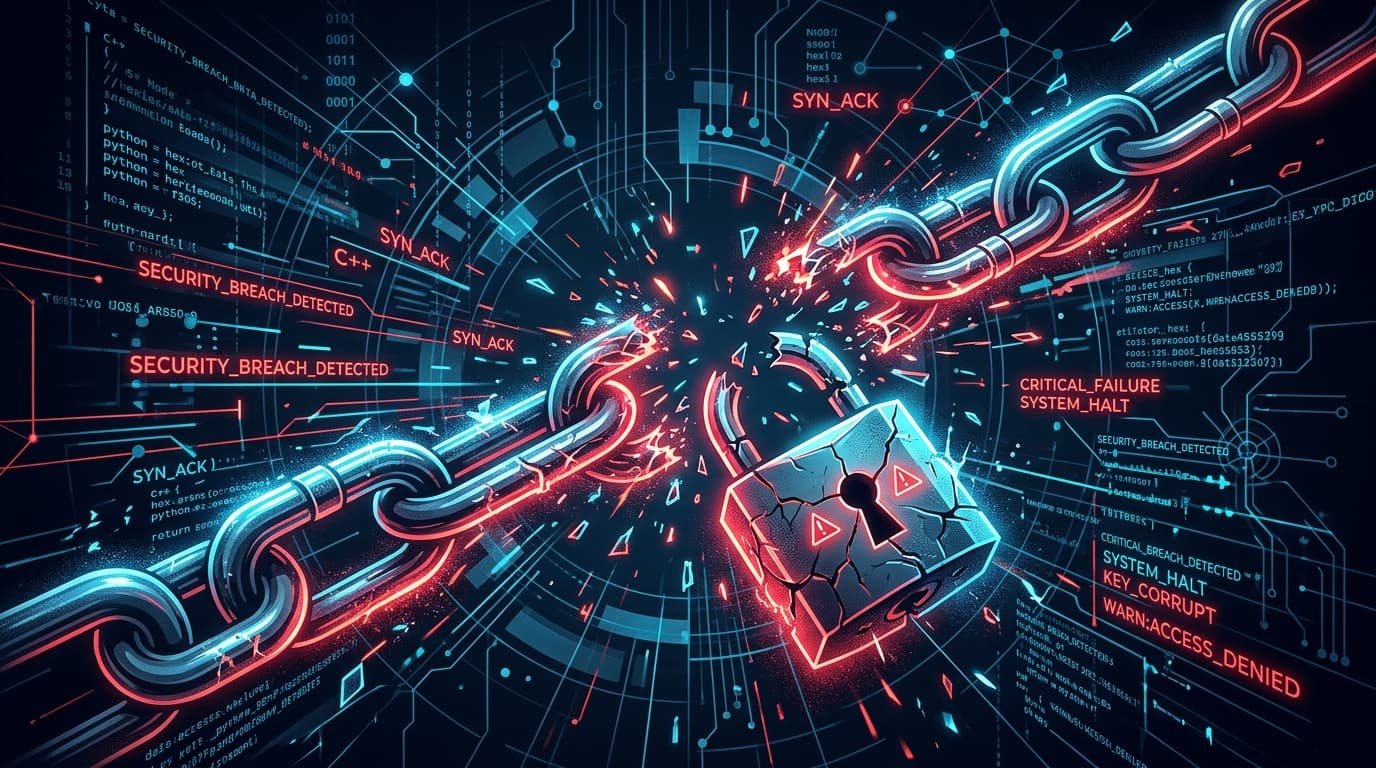
Supply-chain security has once again become a point of crisis for the tech industry. First, the compliance startup Delve was accused in an anonymous Substack post of misleading hundreds of customers into believing they were compliant with privacy regulations. Shortly after, the widely used security scanning tool Trivy was compromised in a coordinated supply-chain attack. These events highlight how over-reliance on third-party vendors and security infrastructure has created a major, systemic vulnerability.
The “Fake Compliance” Scandal at Delve
According to reporting from TechCrunch, an anonymous whistleblower has accused Delve of "falsely" convincing hundreds of customers that they were compliant with essential privacy and security mandates. Beyond the breach of professional ethics, this constitutes potential consumer fraud. Under FTC guidelines, deceptive trade practices of this nature leave companies open to severe legal action. The potential liability for Delve is immense, as their failure has compromised the data integrity of a massive enterprise user base.
The Trivy Supply-Chain Compromise
In addition to corporate fraud, technical vulnerability remains a major concern. Security researchers confirmed that Trivy, a container-scanning tool ubiquitous in the developer community, was compromised by malicious actors. Because Trivy is integrated into the CI/CD pipelines of thousands of global firms, the impact of this breach is devastatingly broad. Experts are warning that all affected firms must execute immediate key rotation and comprehensive system audits, turning what should have been a normal weekend into a scramble for incident response.
Legal Liability and the Duty of Care
These incidents highlight the increasing legal liability software vendors face regarding “secure-by-design” mandates and the “duty of care” owed to enterprise clients. As cyber threats evolve, the legal consensus on supply-chain responsibility is moving toward holding vendors accountable not just for notification, but for the fundamental failure of their security infrastructure. For SaaS-based compliance tools, this shifts the entire business model toward a much riskier landscape.
Future Outlook: Transparency and Defense-in-Depth
Enterprise management of security supply chains is entering a period of forced transparency. In the future, software procurement will require not just functional evaluations but exhaustive audits of a vendor's compliance documentation. This crisis will force companies to pivot from a model of "trusting the vendor" to a zero-trust architecture that requires independent verification of all security infrastructure, fundamentally changing how enterprise software is managed and deployed.