

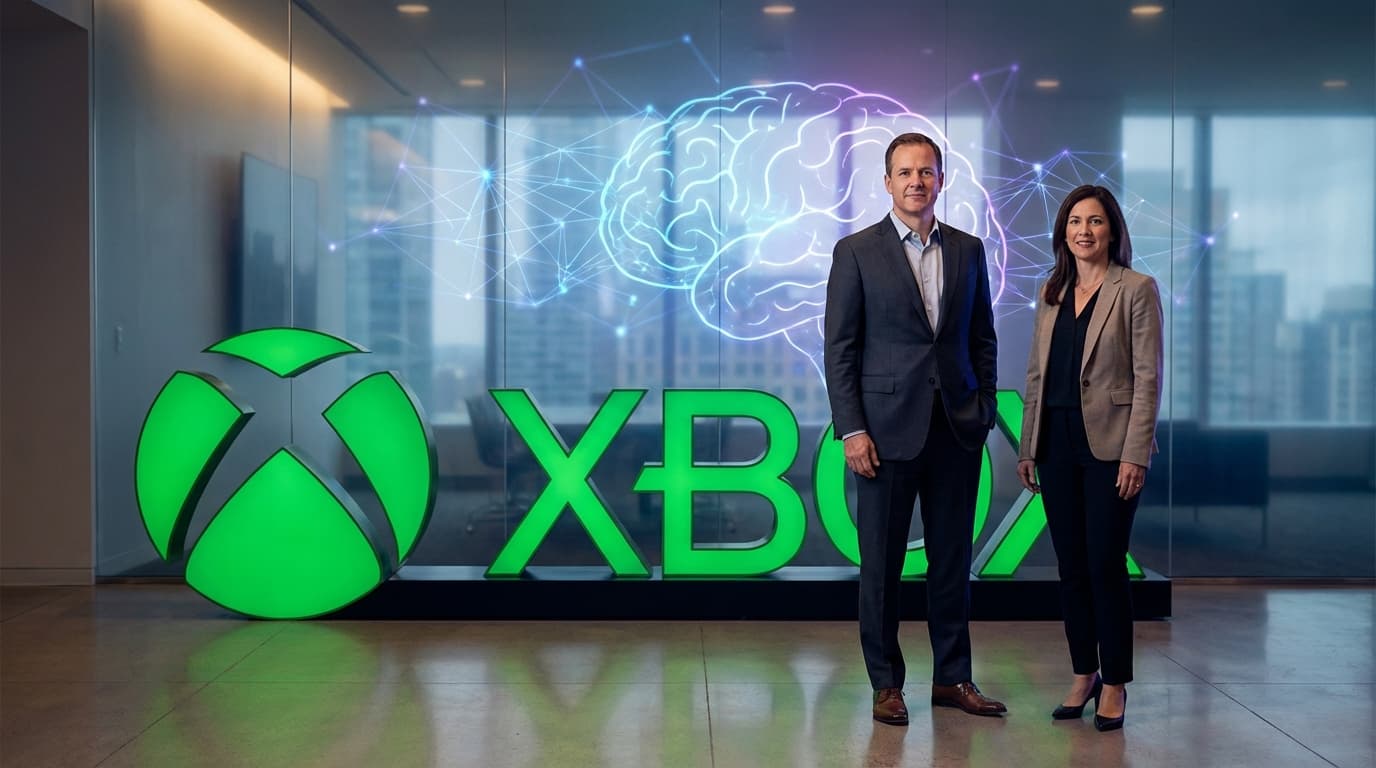
Microsoft Gaming Leadership Earthquake: Phil Spencer and Sarah Bond Step Down
The End of an Era: Spencer and Bond Exit Xbox
In a move that has sent shockwaves through the global gaming industry, Microsoft’s gaming division announced today that its long-time leader Phil Spencer, CEO of Microsoft Gaming, and Sarah Bond, President of Xbox, are both stepping down. This double departure marks the conclusion of one of the most transformative periods in the history of the Xbox brand. Spencer, a 38-year veteran of the company, has been the face of Xbox for over a decade, guiding it through the difficult post-Xbox One era into its current position as a multi-platform services powerhouse.
According to Ars Technica (2026), the leadership mantle will pass to Asha Sharma, currently the Corporate Vice President of Microsoft’s CoreAI division. This appointment signals a seismic shift in Microsoft’s strategy, placing artificial intelligence at the very heart of the future of gaming.
Building a Legacy: From Recovery to Acquisition
Phil Spencer joined Microsoft as an intern in 1988 and took over the Xbox division in 2014, at a time when the brand was struggling to find its footing against the PlayStation 4. Under his leadership, Xbox pivoted from a hardware-centric approach to a services-oriented model, defined by the launch of Xbox Game Pass and the acquisition of major publishers like ZeniMax Media (Bethesda) and the historic $68.7 billion deal for Activision Blizzard.
Sarah Bond, who rose to the presidency of Xbox, was instrumental in negotiating these deals and expanding the platform’s technical capabilities. As noted by The Verge (2026), Spencer’s decision to retire was reportedly made last year, following the finalization of the Activision Blizzard merger. His exit represents the departure of a "gamer-first" advocate who prioritized backwards compatibility and cross-platform play.
The AI Future: Asha Sharma Takes the Helm
The appointment of Asha Sharma, an AI specialist, indicates that Microsoft sees the next frontier of gaming through the lens of machine learning and generative technology. While this move aligns with Microsoft’s broader corporate goals, it has raised concerns among fans about the potential for "AI slop" or automated content replacing human creativity.
The new gaming CEO has already moved to address these fears, vowing that Microsoft will not "flood the ecosystem" with low-quality AI-generated content TechCrunch (2026). However, Sharma's background suggests a future where AI handles everything from NPC behavior and procedural world-building to internal developer tools and automated quality assurance.
Industry Impact and Market Reaction
The news has dominated social media and tech forums. Google Trends data shows that search interest for "Phil Spencer" and "Xbox Leadership" peaked at 100 in the US and UK within hours of the announcement. In regions like Taiwan, the story also triggered significant engagement, reflecting the global reach of the Xbox ecosystem.
Analysts suggest that this leadership change might accelerate Microsoft’s transition away from traditional console hardware. With the success of cloud gaming and the integration of major franchises across PC and mobile, the "Xbox" brand is increasingly becoming a service that lives on every screen, rather than just a box under the television.
What’s Next for Xbox?
Despite the massive leadership change, Microsoft CEO Satya Nadella assured employees that there are no immediate plans for further layoffs or studio closures. However, the Sharma era will likely bring a different focus. Key areas to watch include:
- The "Next Box": Will Microsoft continue to develop high-end consoles, or shift entirely to cloud and handheld devices?
- AI Integration: How will the CoreAI expertise be utilized within Game Pass and developer workflows?
- Studio Autonomy: Will the newly acquired studios under Activision Blizzard maintain their creative independence under a more tech-focused leadership?
Spencer leaves behind a legacy of growth and community building, but Sharma faces the daunting task of defining what "gaming" means in an age of ubiquitous AI.