

The Invisible Front: GPS Jamming in the Persian Gulf
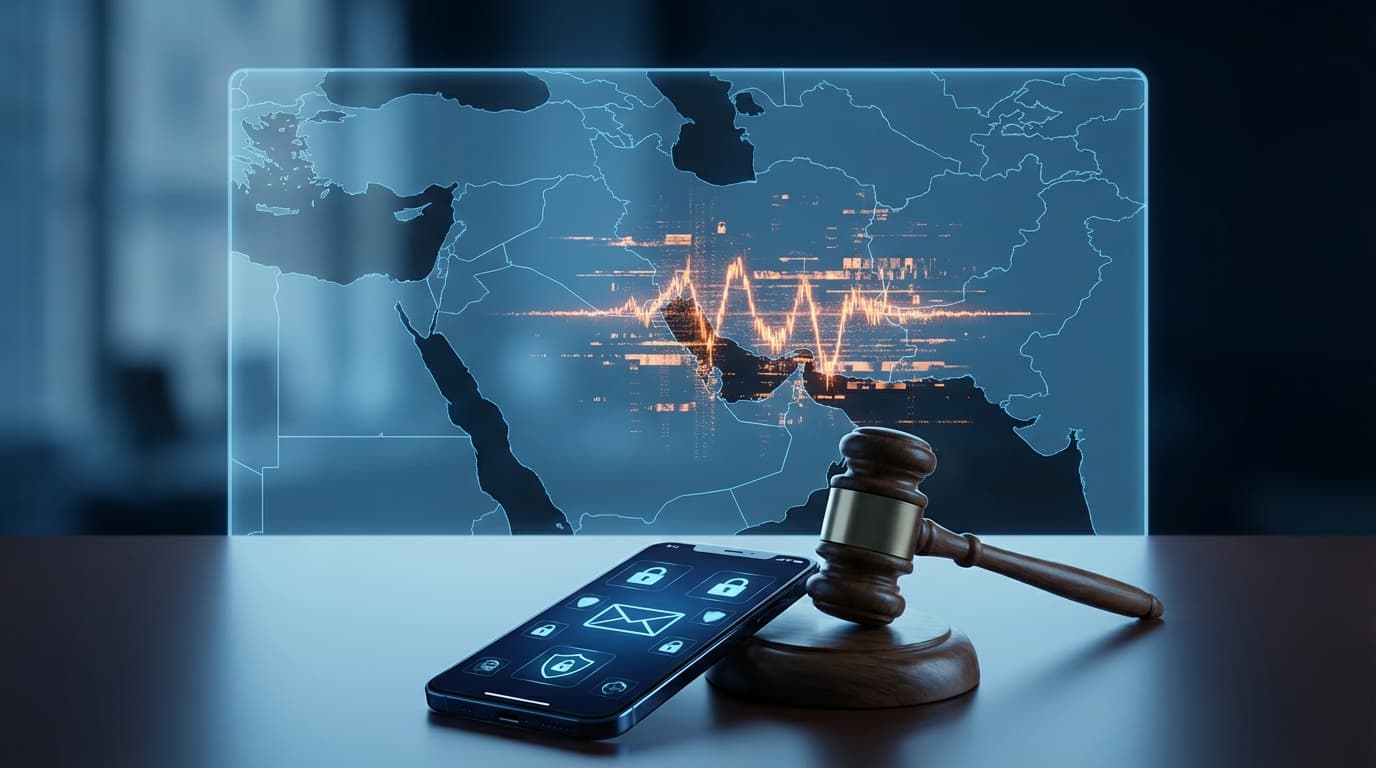
As tensions in the Middle East escalate, technology has moved to the center of the conflict. According to the latest reports from BBC Tech, widespread and persistent GPS jamming in the Persian Gulf has created significant hazards for commercial shipping and civil aviation. Pilots and sea captains have reported frequent signal losses and "spoofing" incidents, where navigation systems display incorrect coordinates. This invisible form of electronic warfare is not only disrupting daily operations but is also forcing governments and tech firms to accelerate the development of alternative navigation systems that do not rely on global satellite constellations.
Experts suggest that this jamming is often a display of defensive capability by regional powers, yet the collateral damage affects countless civilian infrastructures. From a regulatory perspective, while International Telecommunication Union (ITU) treaties forbid signal interference, enforcement remains nearly impossible in active conflict zones. The crisis in the Gulf highlights a critical vulnerability in global dependence on a single set of satellite systems, predicting a future where "anti-jamming navigation technology" becomes a cornerstone of national defense growth.
Prediction Market Crisis: The Kalshi-Iran Payout Dispute
Beyond electronic warfare, the collision of technology and geopolitics is manifesting in financial prediction markets. As reported by The Verge, the prediction platform Kalshi is facing a class-action lawsuit from its own users. The dispute centers on wagers regarding when Iranian Supreme Leader Ayatollah Ali Khamenei would leave office. Following his death in recent strikes, Kalshi's internal resolution rules clashed with user expectations, leading to frozen funds and disputed payouts. This case has ignited a deep debate over how prediction markets define complex real-world events.
The legal battle pivots on contract law and compliance with Commodity Exchange Act (CEA) standards. Users allege that Kalshi failed to honor its promised payout terms, while the platform maintains that the circumstances of the event did not trigger the specific clauses in the betting contracts. This is more than just a brand crisis for Kalshi; it represents a systemic regulatory challenge for the entire prediction market industry: how can platforms ensure their event definitions remain legally sound when real-world intelligence is messy and politically charged?
Cybersecurity Alert: Russian Hackers Target Encrypted Messaging
At the same time, the security of encrypted communications is under threat. TechCrunch reports that Dutch intelligence agencies have warned of a "large-scale global" hacking campaign by Russian-backed actors targeting users of Signal and WhatsApp. The campaign specifically targets high-value individuals, including government officials, journalists, and activists. Hackers are reportedly attempting to bypass end-to-end encryption using sophisticated software vulnerabilities and social engineering to gain access to sensitive conversations.
This warning serves as a stark reminder that even the most secure communication tools are not immune to state-level attacks. Signal and WhatsApp have become the preferred channels for discreet communication in sensitive geopolitical zones, making them high-priority targets for intelligence agencies. Dutch officials noted that these attacks are often synchronized with specific geopolitical objectives, such as gaining insights into diplomatic negotiations or suppressing dissent. This ongoing battle for encrypted data is now an inseparable part of modern information warfare.
Trends and Analysis: The Intersection of Gaming and Geopolitics
Recent search trend data reveals a simultaneous surge in global interest for "Iran conflict," "GPS jamming," and "Kalshi lawsuit." Interest scores in regions like California and Taiwan have reached 85 and 62, respectively, for topics involving the legalities of prediction markets. This indicates a growing public appetite for using AI and blockchain-based platforms to wager on political outcomes, alongside a desperate need for legal protections when disputes arise. This trend of "gamifying geopolitics" is fundamentally changing how people consume intelligence.
In the future, as AI-driven intelligence dashboards become more prevalent, the public may be able to monitor the intensity of electronic warfare or cyberattacks in real-time. However, as technology turns serious conflict into "theatrical" real-time observation, verifying the truth within the data becomes increasingly difficult. Whether it is a navigation signal in the Gulf or a wager on Kalshi, the lesson of 2026 is clear: technology is no longer just a tool—it is a direct extension of power. We are entering a "post-truth technical era" where both data and navigation signals can be weaponized at will.