
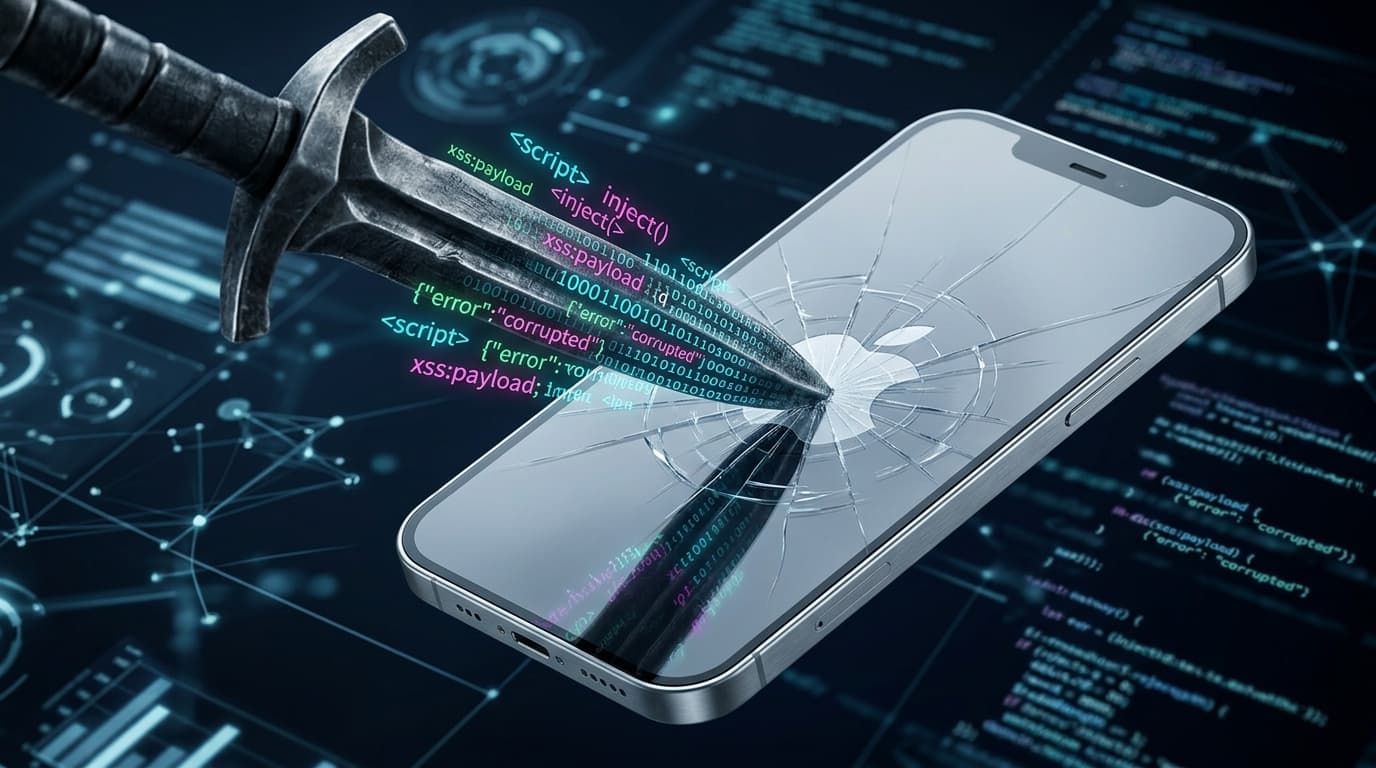
A New Frontier in Cyber Espionage: The Rise of DarkSword
The cybersecurity world is currently reeling from the discovery of a sophisticated new hacking tool dubbed "DarkSword." According to detailed investigations by Wired and TechCrunch, this tool, allegedly wielded by Russian state-sponsored hacking groups, has been detected in the wild. The most terrifying aspect of DarkSword is its "zero-click" capability. Unlike traditional phishing attacks, victims do not need to click a link or download a suspicious file. Simply visiting an infected website using an iPhone can trigger a full device takeover.
The scope of the threat is immense, potentially affecting hundreds of millions of devices running Apple’s latest iOS 18 operating system. Cybersecurity experts have noted that DarkSword exploits multiple previously unknown vulnerabilities (zero-days) within the mobile browser engine. It is capable of bypassing Apple’s legendary sandboxing protections and advanced memory tagging technologies. Once a device is compromised, attackers gain remote access to photos, messages, real-time location data, and can even intercept communications from encrypted messaging apps.
Technical Deep Dive: Exploiting iOS 18’s Architecture
Despite the robust security enhancements introduced in iOS 18, DarkSword demonstrates a level of technical sophistication rarely seen. Analysis from network monitoring agencies suggests the tool employs a rare "exploit chain" strategy. It first gains initial access via a subtle rendering flaw, followed by a second exploit to escalate privileges, finally installing persistent spyware within the operating system’s kernel. This type of attack is characteristic of state-level espionage, designed to gather high-value intelligence from political rivals, journalists, and foreign government officials.
In cyber operations targeting Ukraine, DarkSword has been verified as a tool for stealing personal data and cryptocurrency wallet information from military personnel. TechCrunch reports that the hacking group displays a profound understanding of Apple’s firmware, allowing the malware to remain active even after a device restart—a feat that is uncommon among contemporary iPhone vulnerabilities.
Apple’s Response and Emergency Measures
Apple has not yet released an official security patch specifically targeting DarkSword, but internal sources suggest that engineering teams are working around the clock to close these vulnerabilities. An Apple spokesperson emphasized that the company consistently recommends users keep their devices updated to the latest software versions. However, for a zero-click exploit, traditional user vigilance is largely ineffective.
To counter this threat, the cybersecurity community is advising high-risk individuals—such as government officials and human rights activists—to enable iOS "Lockdown Mode." While this feature limits certain device functionalities (like disabling specific web technologies and message attachment types), it significantly reduces the attack surface and is currently the most effective defense against highly complex attacks like DarkSword.
Market and Societal Impact: The Normalization of Cyber Warfare
The severity of this crisis is reflected in search trends. According to Google Trends, search interest for "iPhone Security Update" reached 46 in California, while in Taiwan—a region characterized by heightened geopolitical tension—interest in cybersecurity technologies surged to 74. This underscores that in an increasingly digitized global landscape, smartphone security has evolved from a matter of personal privacy into a critical pillar of national security.
Future Outlook: The Escalating Arms Race
The emergence of DarkSword marks a new chapter in the ongoing arms race between device manufacturers and state-sponsored actors. Previously, zero-click vulnerabilities were typically the domain of private commercial firms like NSO Group, which sold them to governments at exorbitant prices. Now, state intelligence agencies are demonstrating internal R&D capabilities that rival top-tier commercial software firms. As AI is increasingly integrated into vulnerability research and automated code generation, these highly automated intrusion tools will become even harder to prevent. For tech giants like Apple, the challenge will be to fundamentally innovate security at the architectural level, rather than simply "patching holes" as they appear.