

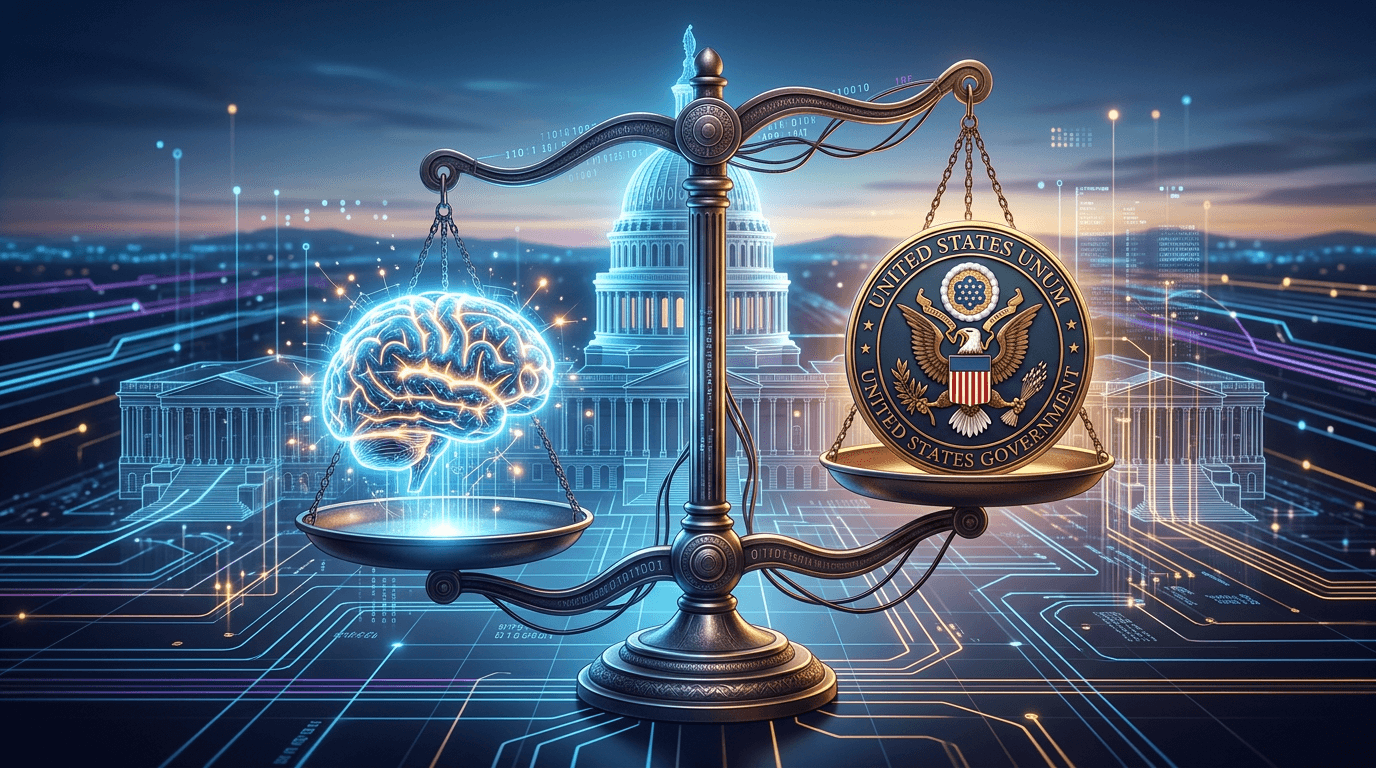
A New Rift Between Silicon Valley and Washington
As the Trump administration intensifies its regulatory scrutiny of the tech industry, Silicon Valley is experiencing an unprecedented level of unity. According to BBC Tech, tech giants that are usually fierce competitors have recently formed a rare united front to support the AI startup Anthropic. The standoff stems from a series of administrative interventions by the government targeting Anthropic, which industry groups have characterized as a "temper tantrum" aimed at suppressing AI firms that do not fully align with official ideologies.
Legal experts suggest that this confrontation will likely invoke the Administrative Procedure Act (APA), with tech firms arguing that the government's interventions are "arbitrary and capricious." This legal battle is about more than just Anthropic; it is a fight over whether the AI industry can remain shielded from executive overreach in the absence of clear legislative frameworks. Representatives from Meta, Google, and Microsoft have expressed support for Anthropic, creating a unified barrier against perceived regulatory excess.
The Live Nation Settlement: A Weak Blow to Monopoly?
On the antitrust front, a settlement that has left industry insiders "baffled" is generating massive controversy. As reported by The Verge, the U.S. Department of Justice (DOJ) announced a settlement with the ticketing giant Live Nation-Ticketmaster this week. Previously, market expectations were high that the DOJ would pursue a full breakup of the company to address its dominance in the concert ticketing market.
However, the final settlement only demands behavioral concessions from Live Nation—such as a ban on retaliating against competing venues—stopping short of an actual corporate split. This has drawn widespread criticism. Skeptics argue that such behavioral remedies have historically proven ineffective. Industry observers note that under the Trump administration's pro-business stance, the fervor for antitrust enforcement seems to be waning, marking a sharp departure from the aggressive posture of the Biden era.
Digital Borders and Child Safety: New Regulatory Shifts in the UK
Simultaneously, international regulatory pressure is mounting. The BBC reports that UK regulators (Ofcom) have officially called upon social media platforms, including Instagram, TikTok, and YouTube, to implement much stricter age verification for users under 13. Ofcom stated that current mechanisms are "woefully inadequate" for protecting children and has threatened massive fines for non-compliance.
These developments highlight a period of significant volatility in global tech policy. While the U.S. is mired in administrative tug-of-wars over AI and monopolies, international requirements for digital platform compliance are becoming increasingly stringent. Google Trends data shows that search volume for "Antitrust Live Nation" has surged by 600% in the last 24 hours, reflecting high public interest in the limits of Big Tech's power.
Policy Outlook for 2026: Where Are We Heading?
For tech corporations, 2026 will be a pivotal year in the game of chicken with government authorities. The outcome of the Anthropic case will define the boundaries of AI governance, while the Live Nation settlement provides a glimpse into the future of merger and acquisition oversight. Investors are now closely watching whether the government will continue a strategy of "all bark and no bite" or if structural changes are actually on the horizon.
In the coming months, we expect to see more legal challenges to executive orders. Tech giants are leveraging their vast legal resources and political influence to reclaim the initiative in this new political landscape. The power struggle has only just begun.