

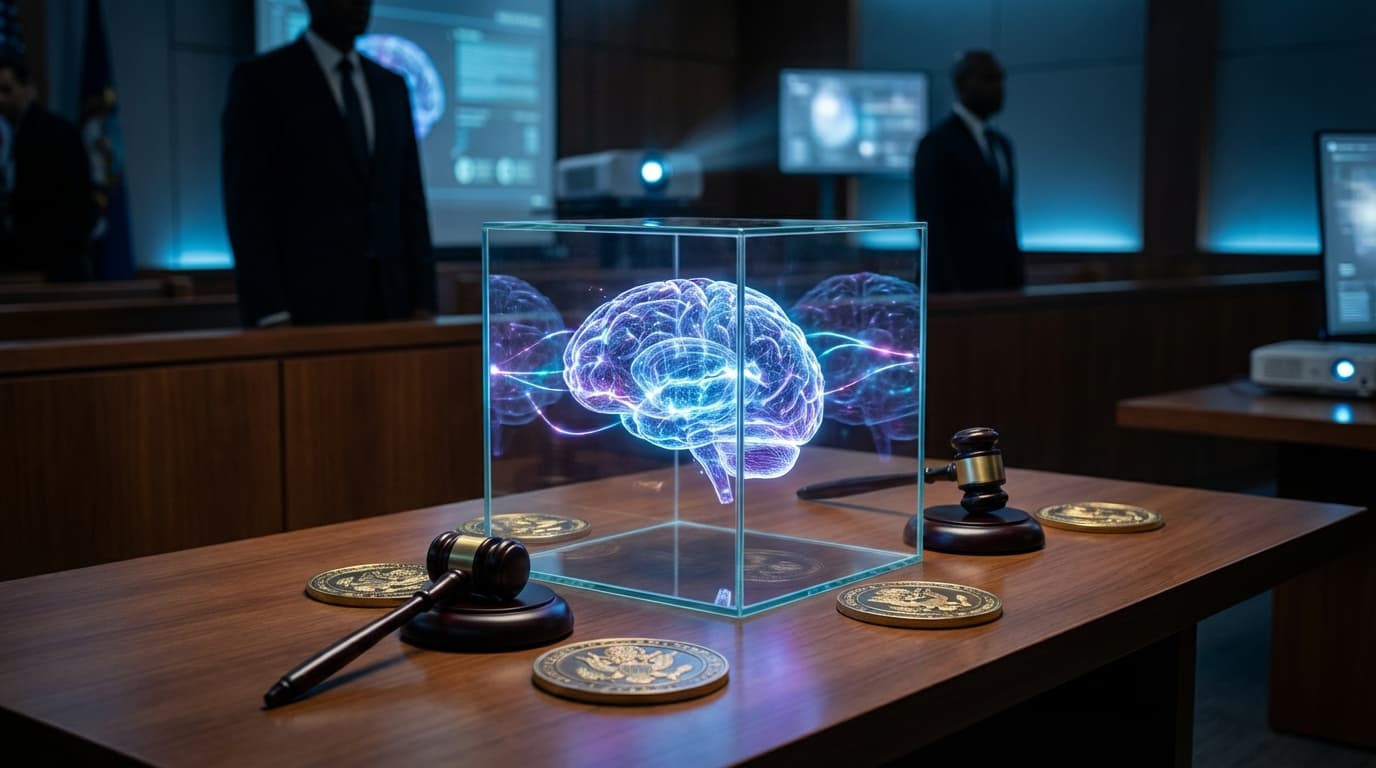
Context: When AI Giants and the Pentagon Collide
On March 9, 2026, the global AI industry witnessed a historic confrontation. Anthropic, a leading artificial intelligence research firm, filed a formal lawsuit against the U.S. Department of Defense (DoD) in a California federal district court. The core of the dispute lies in the DoD's designation of Anthropic as a "supply chain risk," a label that effectively bans the company's technology—including its acclaimed Claude series of models—from military and federal procurement systems. In its complaint, Anthropic described the DoD's actions as "unprecedented and unlawful."
For years, Silicon Valley and Washington maintained a delicate partnership. However, as AI’s role in defense and intelligence grew more critical, disputes over technical control, ethics, and national security have escalated. According to BBC reports, this legal battle represents the climax of a public feud between the Trump administration and top-tier AI labs, with implications reaching far beyond the two immediate parties.
Legal Core: Due Process and the Administrative Procedure Act
Anthropic's lawsuit primarily invokes the Administrative Procedure Act (APA), alleging that the DoD's decision was "arbitrary and capricious." Legal analysis suggests that Anthropic contends the government blacklisted a high-quality domestic AI firm without providing clear evidence or adhering to due process. This move, they argue, not only harms commercial interests but also violates the Due Process Clause of the Fifth Amendment.
Furthermore, the case may hinge on the interpretation of Section 889 of the National Defense Authorization Act (NDAA). Historically, this provision has targeted foreign entities like Huawei, but its application to a domestic firm like Anthropic has sparked widespread alarm in the legal community. If the DoD can unilaterally declare a domestic technology a "supply chain risk" without specific technical evidence, it casts a long shadow over the stability of all tech companies in the federal procurement market.
Industry Ripple Effects: Turmoil at OpenAI and Talent Exodus
This legal war is not an isolated incident. Days before Anthropic's filing, OpenAI experienced its own high-profile upheaval. TechCrunch reported that Caitlin Kalinowski, lead of OpenAI’s robotics team, resigned in response to OpenAI's controversial agreement with the Department of Defense. Kalinowski's departure highlights the growing rift between elite AI scientists and the government's military objectives.
Within Silicon Valley, many engineers and researchers remain wary of applying AI to armed conflict. As Anthropic chooses to fight the government and OpenAI chooses to deepen its ties, the boundary between the two camps has never been clearer. This is more than a commercial rivalry; it is a battle for the soul of the technology. The incident sparked intense debate on social media platforms like X, where tech leaders praised Anthropic’s stance while fearing that defense budgets might pivot entirely toward traditional defense contractors willing to comply.
Market Data and Search Trend Analysis
Although precise Google Trends scores were unavailable this week due to technical errors, news frequency from major outlets like Wired, The Verge, and TechCrunch indicates that interest in this topic has reached its highest peak since 2024. In Northern California particularly, search intent for "Anthropic lawsuit" and "DoD supply chain risk" has surged. Market analysts note that investors are watching the case closely, as it will determine access to the multi-billion dollar defense market for AI firms over the next five years.
Future Outlook: A New Balance for Security and Innovation
If the court rules in favor of Anthropic, it would limit the executive branch’s power to ban tech companies under the guise of "national security" without transparent evidence. This would provide greater commercial stability for the AI industry but might also prompt the government to establish more rigorous pre-clearance mechanisms.
Conversely, a victory for the DoD would grant the federal government near-absolute discretion in identifying technological risks. This could force AI labs to make a binary choice between "dual-use" and "civilian-only" development from their inception. Regardless of the outcome, this lawsuit signals that the AI industry has entered deep political and legal waters, and the era of technological neutrality has officially ended.