

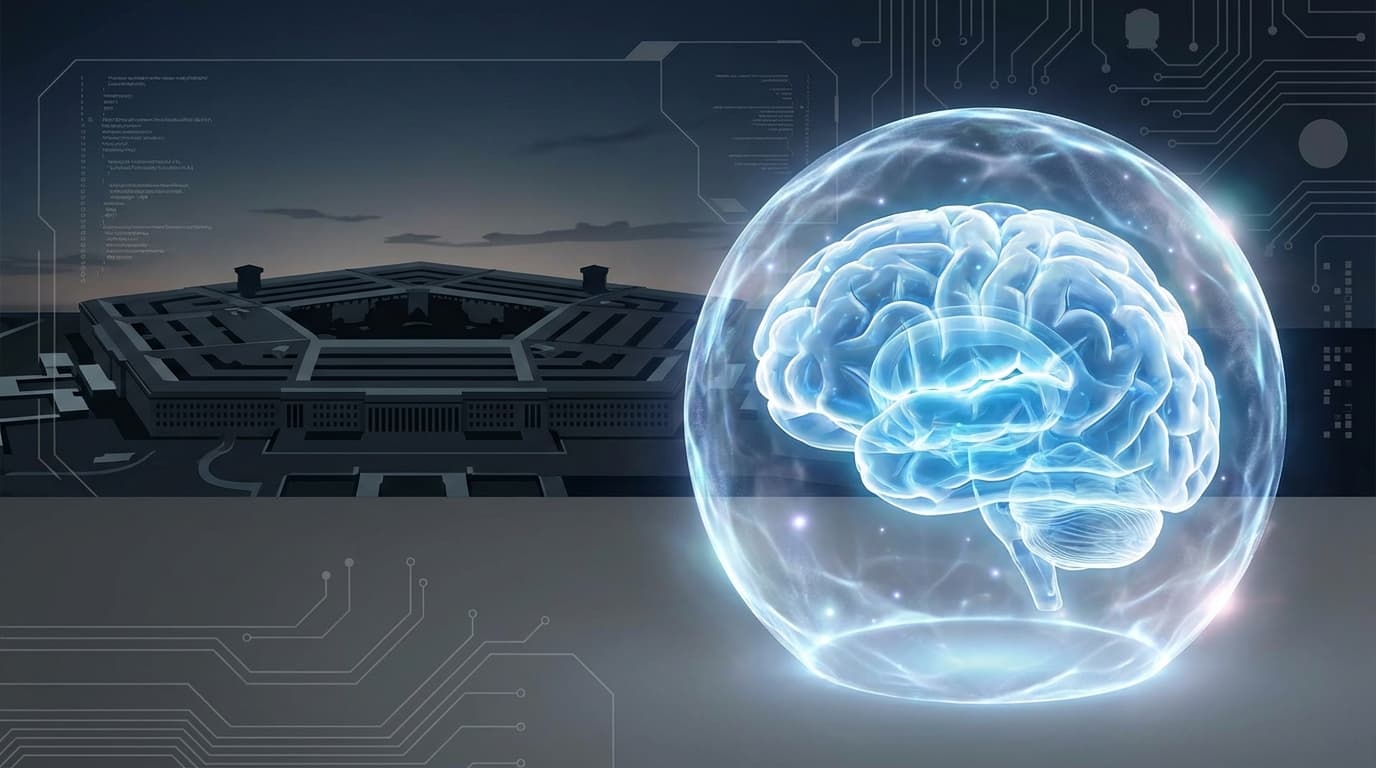
Anthropic CEO Dario Amodei Rejects Pentagon's Ultimatum on AI Safeguards
A High-Stakes Refusal
In a dramatic confrontation between Silicon Valley and Washington, Anthropic CEO Dario Amodei has officially rejected a series of demands from the U.S. Pentagon to roll back safety protocols on its AI models. The decision marks the first major instance of a top-tier AI lab openly defying a direct national security mandate regarding its core technology.
As reported by TechCrunch (2026), Amodei stated that he "cannot in good conscience accede" to the Department of Defense's terms, which included unrestricted access to the company’s internal weights and the removal of "safety constitutions" that prevent the AI from assisting in lethal operations.
The Pentagon's Leverage: Supply Chain Exile
The standoff was triggered by Defense Secretary Pete Hegseth, who issued an ultimatum threatening to remove Anthropic from the department’s supply chain. Such a move would effectively blacklist the company from all military-related contracts and could potentially pressure government cloud providers to drop support for Anthropic's Claude models.
According to BBC Tech (2026), the Pentagon views these safeguards as limitations that hinder the strategic speed of AI in defensive and offensive operations. Hegseth has argued that the current geopolitical climate demands AI that is not constrained by civilian-grade ethical filters.
Ethical AI Principles Under Fire
The legal context for this dispute centers on DFARS (Defense Federal Acquisition Regulation Supplement) and ethical guidelines. While the Pentagon seeks to leverage national security supply chain provisions, Anthropic remains committed to the principles of AI safety and alignment. The Verge (2026) notes that this clash could redefine the "Dual-Use" nature of foundation models, forcing companies to choose between government funding and ethical integrity.
Future Implications: A New Cold War for AI Ethics
The outcome of this standoff will likely set a precedent for other AI leaders. If Anthropic remains firm, it may catalyze the formation of an independent "Safe AI" alliance. Conversely, if the Pentagon successfully executes its blacklist, it may signal an era where national security requirements override all private-sector AI safety measures.