
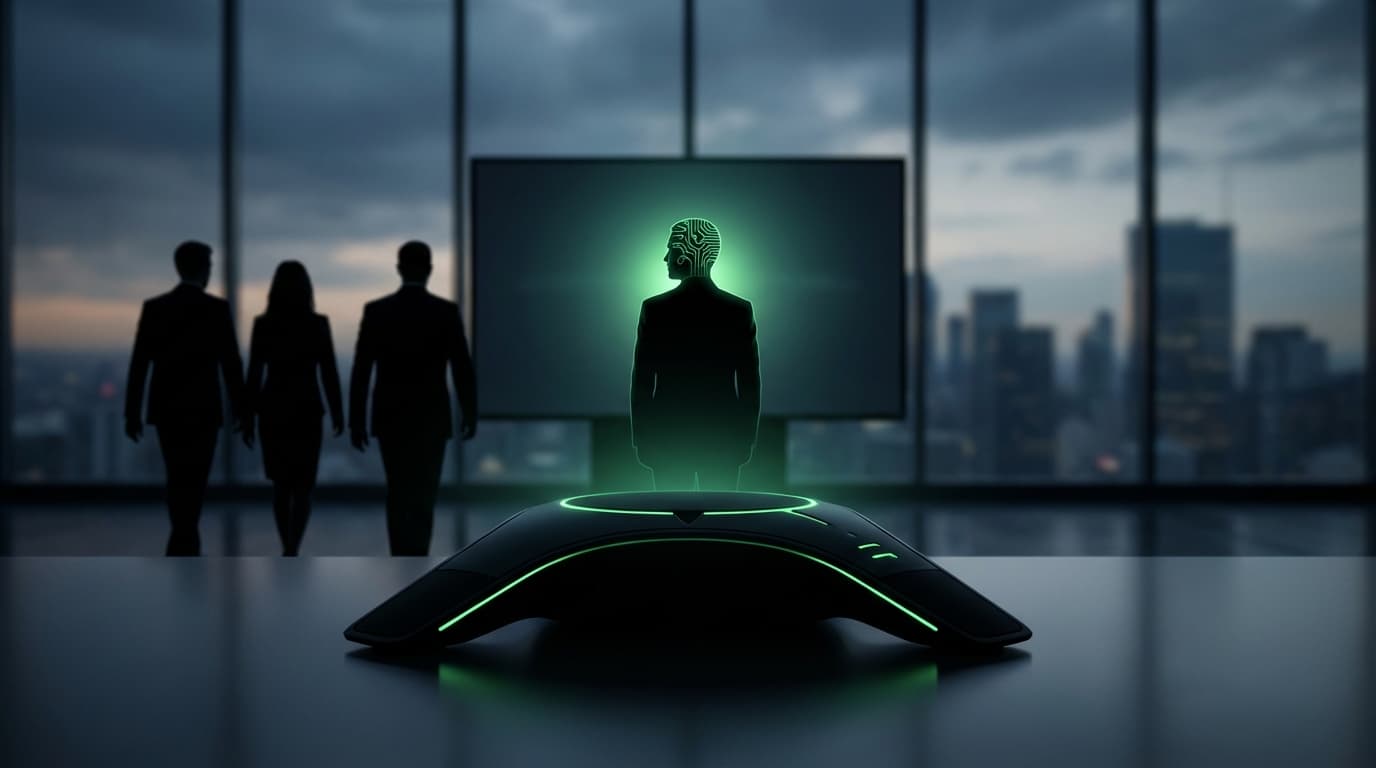
Major Leadership Shakeup at Xbox: Phil Spencer and Sarah Bond Exit as Microsoft Pivots to AI
Introduction: The End of an Era
On February 23, 2026, the global gaming industry witnessed its most significant leadership transition in a decade. Microsoft officially announced that Phil Spencer, CEO of Microsoft Gaming, and Sarah Bond, President of Xbox, are leaving the company. This sudden "earthquake" has sent shockwaves through player communities and investor circles alike, marking the formal end of the "Game Pass and Acquisition" era spearheaded by Spencer. In their wake, the appointment of a seasoned AI executive signals Microsoft’s intent to fully transition its gaming business into an AI-driven future.
Reflecting on the Spencer Era: Billions in Bets and Ambiguity
Under Phil Spencer’s leadership, Microsoft poured astronomical sums into reshaping Xbox. From the $7.5 billion acquisition of ZeniMax (parent company of Bethesda) to the historic $69 billion deal for Activision Blizzard, the goal was clear: to build the "Netflix of Games."
However, a deep dive by The Verge (2026) suggests that despite the massive investment, the identity of the Xbox brand remained elusive. While Game Pass was initially hailed as a revolutionary deal for gamers, rising subscription costs and inconsistent first-party releases led to growing skepticism. As Spencer departs, critics note that "billions of dollars later, nobody still knows exactly what an Xbox is"—a hardware brand, a service, or a software ecosystem.
The New Guard: AI Executive Asha Sharma Takes the Helm
Replacing Spencer at the top of the gaming division is Asha Sharma. Unlike traditional gaming leaders who rose through development or publishing, Sharma is an AI-centric executive. According to BBC Tech (2026), Sharma has been a driving force behind AI integration at Microsoft and is known for having "no tolerance for bad AI."
This appointment has polarized the core gaming community. Proponents believe AI could fundamentally revolutionize development pipelines, enhance NPC intelligence, and optimize cloud gaming experiences. Detractors, however, fear that the "humanity" and "creativity" of game design will be sacrificed to algorithms. On social media, some fans have somberly dubbed this transition "the end of Xbox."
Internal Restructuring: The "Notepad" Shuffle
The leadership change is part of a broader internal reorganization. According to reports from The Verge (2026), Microsoft is undergoing a major shakeup code-named "Notepad." This initiative aims to break down the silos between the Xbox, Windows, and Azure AI departments.
Incoming CEO Asha Sharma faces the immediate challenge of convincing both developers and players that Microsoft isn't turning gaming into cold, automated code. Internal sources suggest this "AI-first" strategy is part of Satya Nadella's vision to ensure every Microsoft product line serves as a showcase for the company's AI infrastructure.
Industry Impact: A Shift in the Console Wars
This transition could fundamentally alter the competition with Sony and Nintendo. While Sony continues to double down on exclusive blockbusters and high-performance hardware, Microsoft seems prepared to exit the traditional console war.
Analysts suggest that with Spencer’s departure, Microsoft may de-emphasize hardware sales metrics in favor of "physical AI" applications in gaming. This could include cloud-based real-time world generation, difficulty algorithms tailored to individual players, and deeper cross-device streaming capabilities.
Future Outlook: Xbox Beyond 2026
With Asha Sharma in charge, the future of Xbox likely looks more like an AI-driven metaverse platform than a traditional gaming console. Industry watchers should look toward the upcoming developer conferences in March, where Microsoft is expected to unveil its first wave of AI-native gaming technologies.
While the exit of Spencer and Bond marks the end of a romanticized era of gaming, Microsoft's hundred-billion-dollar AI experiment is only just beginning. Whether this leads to the evolution of the medium or the erosion of creative spirit remains the industry's most pressing question.
FAQ Section
Q1: Why is Phil Spencer leaving now? A: While official statements cite "personal growth," analysts point to stagnant hardware sales and Microsoft's overarching corporate pivot toward AI as the primary drivers.
Q2: Does Asha Sharma have experience in the gaming industry? A: Sharma’s background is primarily in software engineering and AI applications. While she lacks a traditional gaming background, Microsoft values her ability to turn advanced AI research into commercial products.
Q3: Does this mean Microsoft is giving up on Xbox hardware? A: Microsoft has not officially announced an exit from hardware, but the change in leadership suggests that consoles are becoming secondary to software, subscriptions, and AI-driven platforms.
Q4: Should gamers be worried? A: It depends on your perspective. If you are excited by revolutionary interactive tech, this is an opportunity. If you prefer human-centric storytelling and classic gaming experiences, the new direction of Xbox may feel unfamiliar.
References:
- [src-1] The Verge. Xbox shakeup: Phil Spencer and Sarah Bond are leaving Microsoft. (2026).
- [src-2] BBC Tech. 'The end of Xbox': fans split as AI exec takes over Microsoft's top gaming role. (2026).
- [src-3] The Verge. Billions of dollars later and still nobody knows what an Xbox is. (2026).