

Market Expansion and Safety Pledges: WhatsApp’s Strategic Pivot
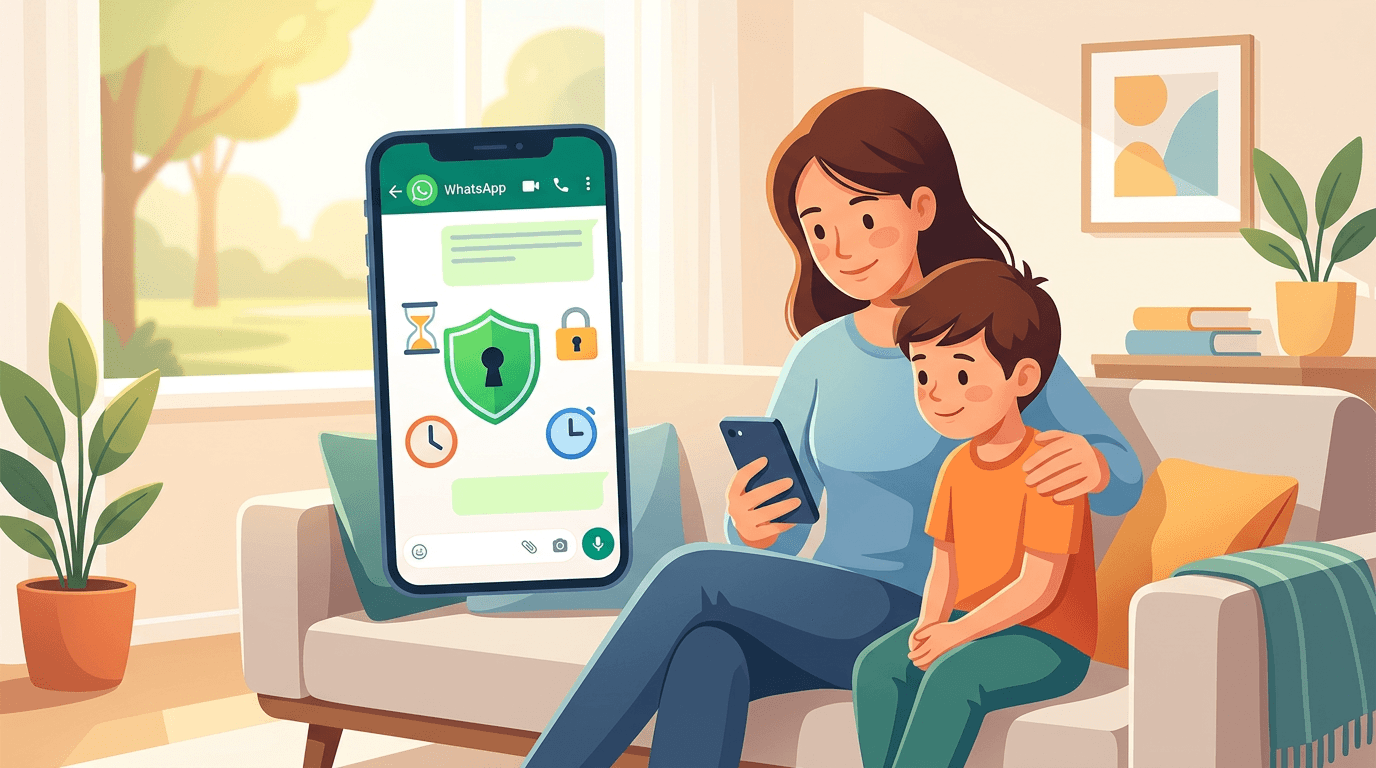
On March 11, 2026, Meta’s messaging giant WhatsApp announced a landmark product update: the official launch of "Parent-linked accounts" for users under the age of 13. This move marks the first time WhatsApp has systematically opened its platform to pre-teens, aiming to provide a monitored and secure communication environment for younger digital natives. As reported by TechCrunch, these accounts are intentionally limited, retaining only core messaging and calling features while requiring parental PIN-protected approval for all contact requests and group invitations. This launch is a significant step in Meta’s effort to comply with increasingly stringent global regulations on child online safety.
Product Features: The Digital Remote Control
The cornerstone of the new system is absolute parental oversight. Parents can receive real-time alerts on their own devices regarding any changes to their child’s contact list and can set "communication blackouts" for specific periods, such as bedtime or school hours. Unlike standard accounts, these pre-teen profiles will not feature public Status updates or the ability to join public Channels. This design draws on Meta’s experience with Messenger Kids but emphasizes deeper integration with the primary account holder. While formal sociological research on the 2026 feature set is not yet available in databases like ArXiv, industry experts suggest that this "walled garden" approach significantly reduces the risk of online grooming and exposure to inappropriate content.
Legal Compliance: Navigating COPPA and GDPR Standards
The rollout faces immense regulatory scrutiny. In the United States, WhatsApp must adhere strictly to the Children’s Online Privacy Protection Act (COPPA), which mandates "verifiable parental consent" before any data can be collected from children under 13. In the European Union, the GDPR’s Article 8 sets an even higher bar for processing minor-related data. Given that Meta remains under a 20-year FTC consent decree that requires rigorous third-party privacy audits for all new products, the stakes are exceptionally high. WhatsApp has explicitly stated that data from these pre-teen accounts will be completely isolated from its advertising systems, ensuring that children's digital footprints are not monetized.
Social Debate: Is 'Starting Early' a Risk or a Solution?
Despite the robust safety features, the introduction of WhatsApp for kids has sparked a heated social debate. Proponents argue that since many children already have access to smartphones, providing a regulated and transparent platform is safer than allowing them to use unmonitored apps. However, privacy advocates (as cited in Wired) worry that this move encourages early social media dependency and could lead to "helicopter digital parenting," potentially impacting a child's psychological development and sense of privacy. Although Google Trends data was limited due to technical 429 errors, the volume of discussion regarding "WhatsApp kids safety" on parenting forums has reportedly tripled in the 24 hours following the announcement.
Future Outlook: Setting the Standard for Youth Connectivity
WhatsApp’s child account initiative is a core part of Meta’s broader attempt to rehabilitate its brand image. After years of criticism regarding the impact of social media on youth mental health, Meta is attempting to lead with proactive, technology-driven protection mechanisms. Future iterations may include AI-powered safety alerts that notify parents of potential bullying or suspicious conversational patterns without compromising the child's feeling of autonomy. This grand experiment in pre-teen connectivity will likely define the digital interaction patterns of families for the next decade. Success here could set a global benchmark for how social platforms handle the delicate balance between safety and freedom for the next generation of users.