

Flames in the Desert: The US and Israel Escalate Conflict with Iran
In a dramatic escalation of Middle Eastern hostilities, the United States and Israel have launched coordinated air strikes against high-value targets within Iranian territory. According to reports from Wired (2026), the military operation targeted infrastructure linked to drone manufacturing and missile research facilities. This strategic move, conducted under the Biden-Trump transitionary military policy, marks a definitive shift toward direct confrontation and has sent shockwaves through global energy markets, with oil prices surging immediately following the news.
Analysts suggest that the scale of this joint operation is unprecedented, showcasing a level of intelligence sharing and tactical synchronization rarely seen in previous regional skirmishes. The primary objective appears to be the systemic degradation of Iran's ability to project power via its proxy networks. As Tehran vows a 'crushing response,' the entire Persian Gulf stands on the brink of a large-scale regional war.
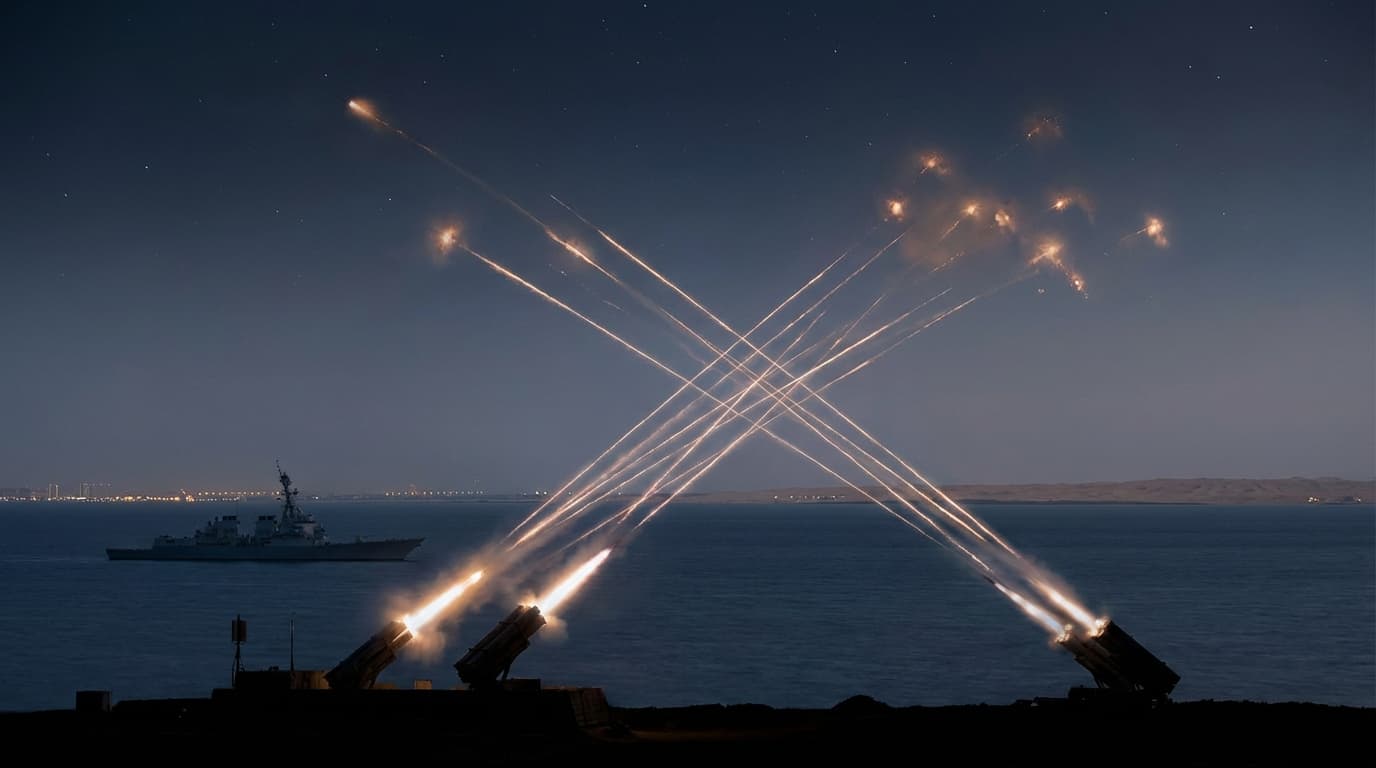
Under Fire: Testing the Gulf's Layered Air Defense
As missiles and swarms of drones cross the skies, the Gulf’s sophisticated air-defense networks are facing their ultimate combat test. Wired (2026) reports that systems ranging from the Terminal High Altitude Area Defense (THAAD) to Patriot missile batteries are currently intercepting threats in real-time. This conflict has transformed the region into a proving ground for Western defense technology against Iranian-made saturation attack strategies.
The challenge for Gulf nations like Saudi Arabia and the UAE lies in the asymmetry of the engagement. Iran is reportedly deploying low-cost, expendable suicide drones to deplete the expensive interceptor stockpiles of the defending forces. The effectiveness of this 'attrition by air' strategy will determine whether the regional defense umbrella can hold or if a significant breach will lead to civilian casualties and further escalation.
Global Fallout: From Energy Corridors to Political Gridlock
The implications of these strikes extend far beyond the immediate battlefield. TechCrunch (2026) highlights the extensive list of nations directly impacted by the conflict, emphasizing the vulnerability of the Strait of Hormuz—a vital artery for global oil and gas supplies. Any disruption to this corridor could trigger a worldwide economic slowdown, complicating the domestic agendas of major powers.
In Washington, the strikes have ignited a fierce debate. Proponents argue that the display of force is essential for restoring deterrence and protecting allies. Opponents, however, fear that the U.S. is being drawn into another protracted conflict without a clear exit strategy. International diplomatic efforts, led by the UN Security Council, are currently underway, but the atmosphere remains highly volatile, with little room for immediate de-escalation.
Tactical Evolution: AI and Electronic Warfare on the Frontline
This conflict is also showcasing the evolution of modern warfare. The integration of AI-assisted targeting systems and autonomous loitering munitions has made the battlefield more lethal and less predictable. Electronic warfare—jamming communications and spoofing GPS signals—has become as critical as the kinetic strikes themselves.
The next 48 hours are crucial. Observers are waiting to see the form of Iran's promised retaliation. Whether it manifests as a direct ballistic missile assault, a cyber-offensive against critical infrastructure, or a maritime blockade, the response will set the tone for the coming months. As the world watches, the geopolitical architecture of the Middle East is being reshaped by fire and technology.