
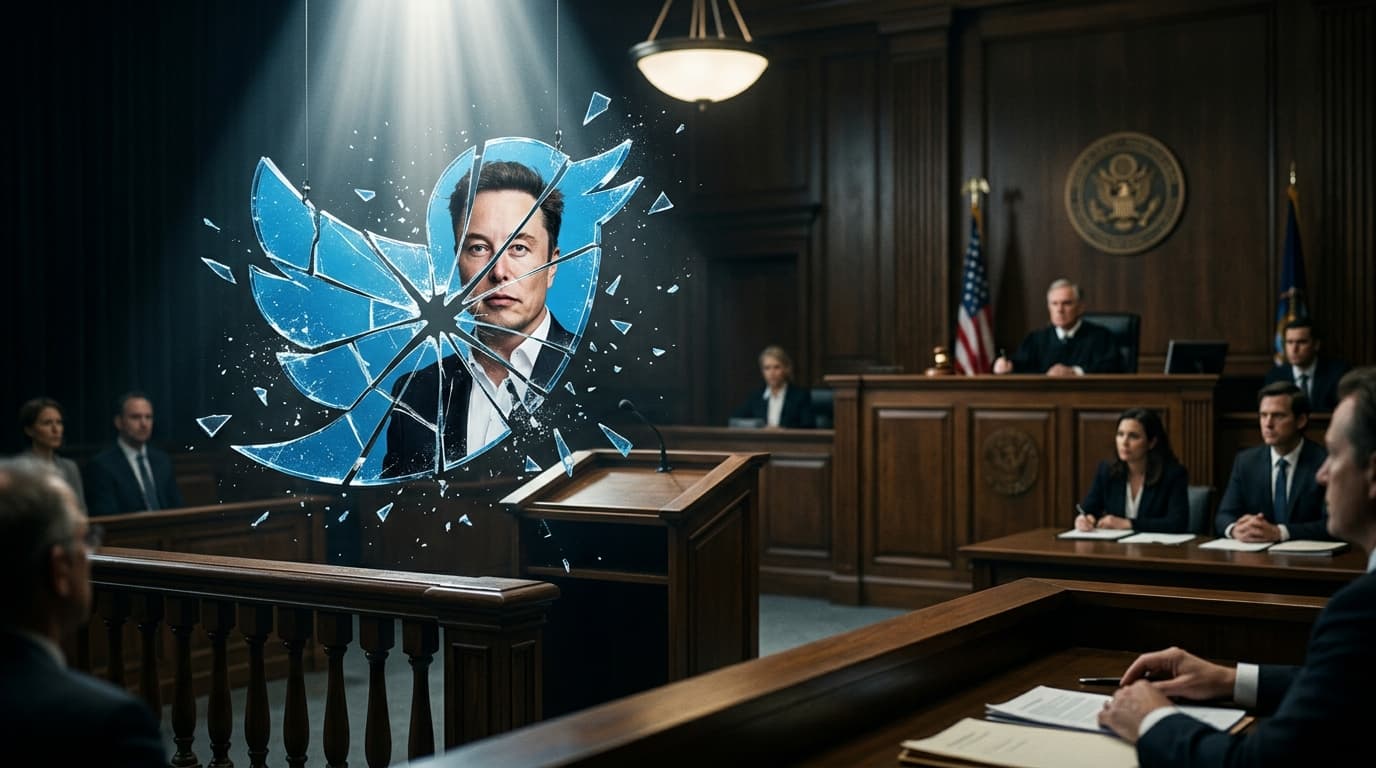
Legal Consequences: Musk’s Tweets are No Longer Just Talk
The long-standing legal battle surrounding Elon Musk’s acquisition of Twitter has reached a decisive verdict. A jury has found that Musk engaged in fraudulent conduct by publishing misleading tweets regarding bot counts on Twitter, intentionally creating a pretext to renege on the multi-billion dollar deal, causing substantial losses to investors.
This verdict marks a significant blow to the billionaire. The jury concluded that the 'stupid tweets' Musk published during the acquisition negotiations were not mere personal commentary but deliberate efforts to mislead the market and investors, ultimately crossing the red line of securities fraud.
Case Recap: From Strategy to Violation
At the heart of the dispute was Musk’s public claim, made after signing the acquisition agreement, that the percentage of bot accounts on Twitter was far higher than officially disclosed. While the market initially viewed this as a tactic for Musk to renegotiate the price or find an exit strategy, investors promptly launched a class-action lawsuit. They argued that Musk’s intentional dissemination of false information caused extreme volatility in Twitter’s share price, harming their financial interests.
During the trial, the court meticulously mapped the timing, content, and market reaction of Musk’s tweets. The jury ultimately sided with the plaintiffs, rejecting Musk’s characterization of his tweets as impulsive personal expression. Instead, they found that these communications were calculated efforts to undermine market confidence in Twitter’s valuation to facilitate his exit from the deal.
Legal Implications: The Red Line of Securities Law
Legal experts note that the primary focus of this case was the anti-fraud provisions under federal securities law. To find Musk liable, the plaintiffs had to prove that the tweets were material, false, and made with 'scienter'—the intent or knowledge of wrongdoing. Musk’s history of frequent, unrestrained use of social media to discuss his own businesses and acquisition targets served as damaging evidence in this case.
This verdict subjects Musk to billions of dollars in potential damages. While not a fatal financial blow for the world’s wealthiest individual, it sends an unmistakable signal: even the most influential tech leaders must be held accountable for their statements when they influence the markets. This judgment significantly curbs Musk’s future freedom to casually discuss acquisitions or public company matters on social media.
Industry and Market Reaction
This ruling has sent shockwaves through both the financial and tech industries. Many analysts believe it sets a clear warning for executives regarding social media usage. While Musk long treated social media as a weapon for business expansion and public relations, this case demonstrates that when the platform is used for potential securities fraud, legal boundaries are starkly drawn.
For investors in Twitter (now X), this verdict offers long-awaited justice for the volatility of the past few years. Market attention has now turned to how Musk will fulfill these obligations and whether this precedent will influence his governance style at other companies, such as Tesla or SpaceX.
Future Outlook
With the verdict delivered, Musk’s legal team is expected to appeal, but this initial ruling stands as a milestone in financial governance history. It redefines the role of social media in M&A negotiations and serves as a reminder to all market participants that digital speech is subject to the rigorous scrutiny of real-world law.
FAQ
Why was Elon Musk fined for his tweets? The jury determined that Musk engaged in fraudulent conduct by publishing misleading tweets about Twitter's bot accounts to create a pretext for backing out of the acquisition, which caused financial losses to investors.
How significant is this verdict for Musk? Beyond potential damages reaching into the billions, this case imposes significant limitations on his personal reputation and how he discusses business matters. It confirms he is legally accountable for his statements during M&A negotiations.
What is the legal basis for this verdict? The ruling is based on anti-fraud provisions in federal securities law, which deemed Musk’s tweets as materially misleading and made with the intent to deceive, resulting in significant market disruption.
Will this affect Musk’s other ventures? It is currently uncertain, but the verdict may prompt regulatory scrutiny of Musk’s social media activities regarding his other publicly traded companies, such as Tesla.
What should we look for next? Keep an eye on whether Musk’s legal team files an appeal and the process for calculating and paying the damages, which will be the final step in closing this chapter for investors.