
Geopolitics Meets High Finance: The $10 Billion TikTok Fee
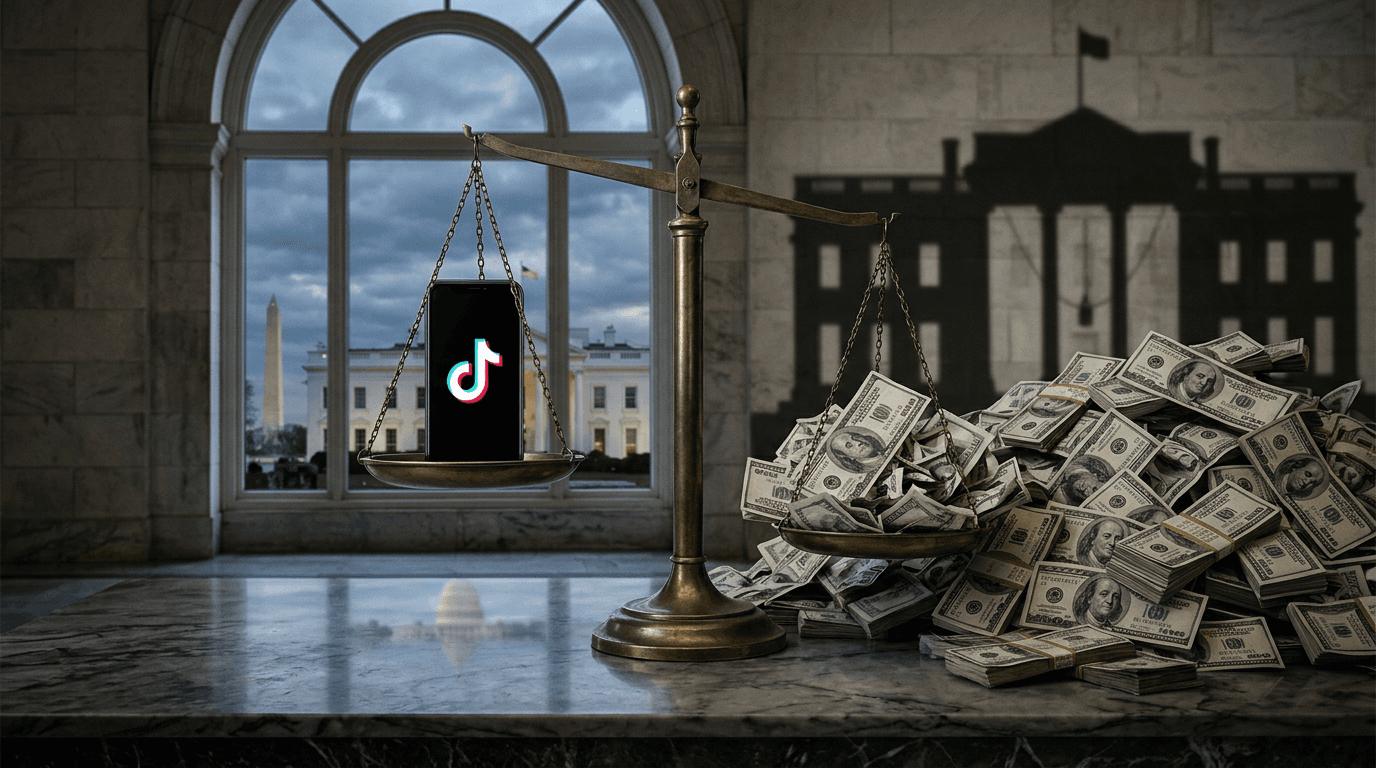
The Trump administration is reportedly seeking to collect a staggering $10 billion fee as part of the deal to divest TikTok’s US operations. According to reports from The Verge, the Wall Street Journal, and the New York Times, this unprecedented "brokerage fee" is expected to be paid by the consortium of investors, which includes major tech players like Oracle. This move is the physical realization of President Trump’s earlier claims that the US Treasury deserves a "tremendous fee" for facilitating the deal, which was mandated by executive order on national security grounds.
This development has sent shockwaves through the legal and technology sectors. While the Committee on Foreign Investment in the United States (CFIUS) has long held the power to block or mandate the sale of foreign-owned assets, the demand for a direct cash payment to the government from a private transaction is virtually unheard of in American history. Critics argue that this transforms national security policy into a "pay-to-play" scheme, blurring the lines between regulation and extortion.
Legal Challenges: Examining the Statutory Authority
Legal experts are questioning the statutory basis for such a fee. Under the Foreign Investment Risk Review Modernization Act (FIRRMA) and the Defense Production Act of 1950, the executive branch has broad authority to mitigate risks to national security. However, these laws do not explicitly grant the Treasury the right to collect "success fees" or commissions for brokering deals. Legal analysts warn that this action could violate the Takings Clause of the Fifth Amendment, which prevents the government from taking private property for public use without just compensation.
Furthermore, the move could be seen as an overreach of the President's emergency economic powers. If the $10 billion fee is not classified as a tax—which would require congressional approval—it may be struck down by courts as an unauthorized administrative fee. This potential legal quagmire could tie up the TikTok deal in litigation for years, leaving the platform's 150 million US users and its employees in a state of permanent uncertainty.
Industry Fallout: A Dangerous Precedent for Tech
For investors like Oracle, paying the $10 billion may simply be viewed as the "cost of doing business" to acquire one of the world's most valuable social media properties. TikTok's algorithmic capabilities and massive data set are prize assets in the AI race. However, industry trade groups worry that this sets a dangerous precedent for future international business. If the US government can demand a cut of private transactions, foreign firms may become increasingly reluctant to invest in the United States, fearing that their assets could be weaponized for political profit.
Moreover, the perception of political favoritism is strong. The close ties between Oracle's leadership and the Trump administration have led to allegations of "crony capitalism." If the government can pick winners in the tech market and then derive financial benefit from those choices, the traditional American model of open and fair competition is severely undermined.
Future Outlook: The Brink of a Policy Revolution
Details of how the $10 billion would be spent remain vague. Some reports suggest the funds might be used to establish a national education fund or dedicated to cyber-security infrastructure, but no official plan has been released. The coming weeks will likely see a fierce debate in Congress and the media regarding the ethics and legality of this arrangement.
Ultimately, the outcome of the TikTok fee saga will serve as a bellwether for the future of US tech policy. It signifies an era where national security and economic nationalism are inextricably linked. Whether this $10 billion payment is ever realized or successfully challenged in court, the message to the global tech community is clear: in the new world order, commercial deals with strategic assets are no longer just business—they are high-stakes political negotiations.