
Context: Direct State Intervention in the Tech Sector
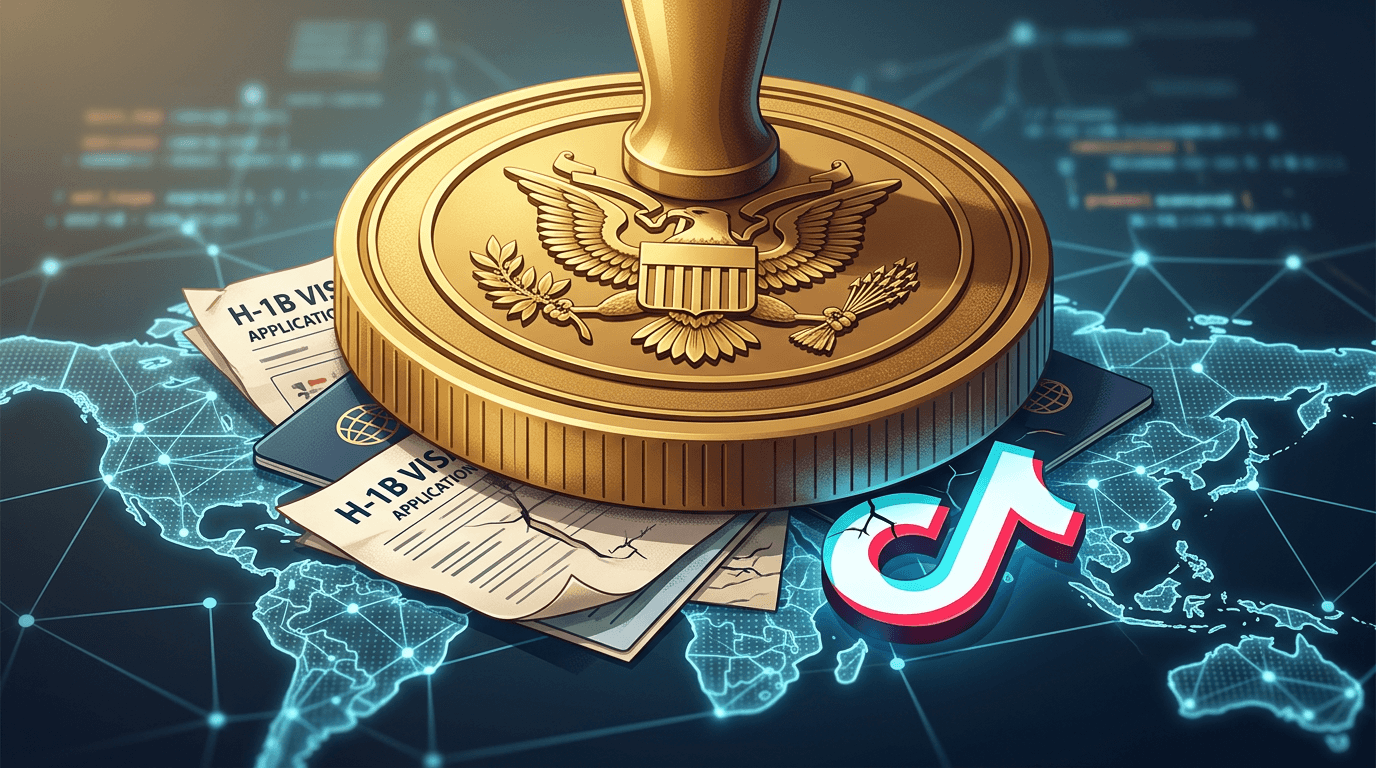
In early 2026, the Trump administration enacted a series of aggressive technology and immigration policies that have fundamentally altered the operational landscape for Silicon Valley. Central to this upheaval is a staggering increase in H-1B visa fees and a controversial multibillion-dollar demand linked to the divestiture of TikTok. According to reports from The Verge, an executive order raising the H-1B fee to $100,000 has triggered widespread disruption six months into its implementation. Simultaneously, David Sacks, the White House AI and Crypto Czar, has emerged as a pivotal figure, blending domestic tech policy with high-stakes geopolitical strategy.
Key Developments: The Fallout of the $100,000 H-1B Visa Fee
The drastic hike of H-1B fees to $100,000 per applicant has sent shockwaves through the tech industry. Originally intended to prioritize domestic hiring, the policy has instead created operational chaos. As reported by The Verge, thousands of high-skilled workers and educators found themselves stranded abroad during routine visa renewals, unable to meet the sudden financial requirements. This has led to a critical talent shortage in Silicon Valley and unexpected vacancies in the national education system. Legal analysts suggest that bypassing the traditional notice-and-comment periods required by the Administrative Procedure Act (APA) could make the order vulnerable in court, as such significant fee adjustments typically require statutory authorization from Congress under the Immigration and Nationality Act (INA).
Geopolitics and Tech Deals: The $10 Billion TikTok 'Commission'
The Trump administration's involvement in the TikTok acquisition has introduced a new precedent for government intervention in private corporate deals. Sources familiar with the matter indicate that the U.S. government expects to collect approximately $10 billion as a result of the deal, a sum reportedly to be paid by new investors, including Oracle. President Donald Trump has previously characterized this as a "tremendous fee" for the government's role in brokering the arrangement. However, legal experts warn that demanding a commission from a private merger could violate the Takings Clause of the Fifth Amendment. This move underscores a broader strategy where the administration treats the tech industry as a tool for geopolitical leverage and national revenue generation.
Core Figure: David Sacks and AI Diplomacy
David Sacks, in his capacity as the White House AI Czar, is increasingly influential in shaping the administration's global outlook. On a recent episode of the "All In" podcast, Sacks warned that a prolonged or escalated conflict in Iran could be "catastrophic" for global energy markets. He expressed concern that infrastructure destruction across the Middle East would not only disrupt energy supplies but also inflate the operational costs of AI data centers worldwide. Sacks’ call for a diplomatic "off-ramp" reflects a strategic priority within the administration to safeguard the physical and economic foundations of the U.S. tech sector from the fallout of regional wars.
Future Outlook: Legal Battles and Industry Adaptation
The coming months will likely see these policies tested in the federal court system. The legality of the $100,000 H-1B fee and the $10 billion TikTok payment will be central to ongoing litigation. For Silicon Valley, 2026 is becoming a year of forced adaptation. Many firms are exploring remote work options or establishing satellite offices in Canada and Mexico to circumvent the domestic talent bottleneck. Meanwhile, the dominance of David Sacks in the AI policy sphere suggests that U.S. tech strategy will remain deeply intertwined with energy security and protectionist economic measures. This policy-driven shift is rewriting the rules of global technological competition.