

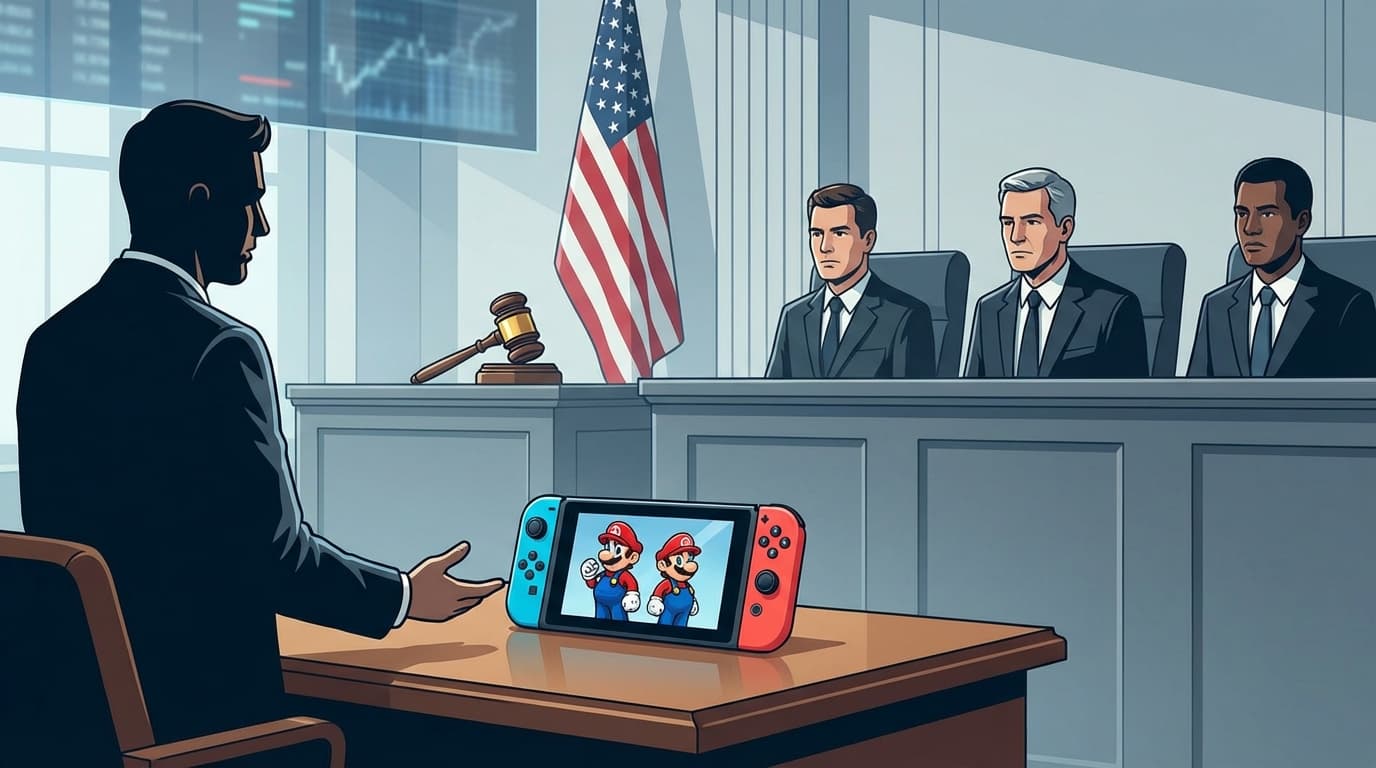
Mario Goes to Court: Nintendo Challenges the White House
In a historic legal move on March 6, 2026, Nintendo of America filed a major lawsuit against the United States government, demanding a full refund—with interest—for billions of dollars paid under the controversial "Trump Tariffs." The lawsuit follows a recent Supreme Court ruling that struck down several of the President's sweeping tariffs as illegal, finding that they exceeded executive authority granted under Section 301 of the Trade Act of 1974.
As reported by TechCrunch and Aftermath, the complaint, filed in the U.S. Court of International Trade, argues that the duties imposed on video game consoles and peripherals were not only economically damaging but lacked a statutory basis. Nintendo’s decision to sue marks a turning point for the tech industry, which has spent years absorbing the costs of a volatile trade war. If successful, the case could open the floodgates for thousands of other companies seeking reparations for over-taxed imports.
The "Digital Glitch" Excuse: A Refund Stalemate
While the judiciary has signaled that the tariffs were improperly applied, the executive branch is putting up a significant fight against the logistics of returning the money. According to The Verge, the U.S. Customs and Border Protection (CBP) filed a document stating it currently cannot comply with refund orders due to "computer problems." CBP Executive Director Brandon Lord claimed that the agency’s aging digital processing systems are "not well suited" to the task of calculating and issuing billions of dollars in interest-bearing refunds.
Industry groups have blasted this excuse as a bureaucratic stall tactic. Ars Technica noted that trade representatives are calling this a period of "tariff hell," where the government acknowledges its debt but refuses to pay. Legal experts are now debating whether the "Little Tucker Act" could be invoked to force the government’s hand, as the technical inability to pay does not exempt the state from its constitutional duty to return illegally seized property.
Supply Chain Fallout: Impact on the Switch 2 and Beyond
The timing of this legal battle is critical for Nintendo. With the highly anticipated Nintendo Switch 2 nearing production, the company is desperate for pricing clarity. Tariffs have historically acted as a hidden tax on consumers, often adding $50 to $100 to the retail price of high-end electronics. A successful refund could provide Nintendo with a massive cash infusion just as it prepares for its most significant hardware launch in a decade.
Furthermore, the outcome of this case will set a precedent for the entire consumer electronics sector. Giants like Apple, Sony, and Microsoft are watching closely. The core issue is whether a President can unilaterally rewrite trade policy through executive orders without a specific mandate from Congress. The tech industry is pushing for a standardized, automated blueprint for refunds to prevent further economic distortion.
Future Outlook: Restoring Trade Stability
The Nintendo lawsuit is more than just a fight over money; it is a fight for the rule of law in international commerce. For nearly a decade, global supply chains have been subject to the whims of executive trade policy. This case represents an attempt by the corporate sector to bring stability back to the market by subjecting trade barriers to rigorous judicial review.
As we look toward the 2026 holiday season, the resolution of this case will dictate whether next-gen consoles remain affordable for the average family. It also signals to international partners that the U.S. remains a market governed by law rather than administrative fiat. As one legal scholar put it, "Nintendo is playing to win, and the prize is the restoration of trade predictability."