

The Legal Gauntlet: Nintendo Sues for Duty Refunds
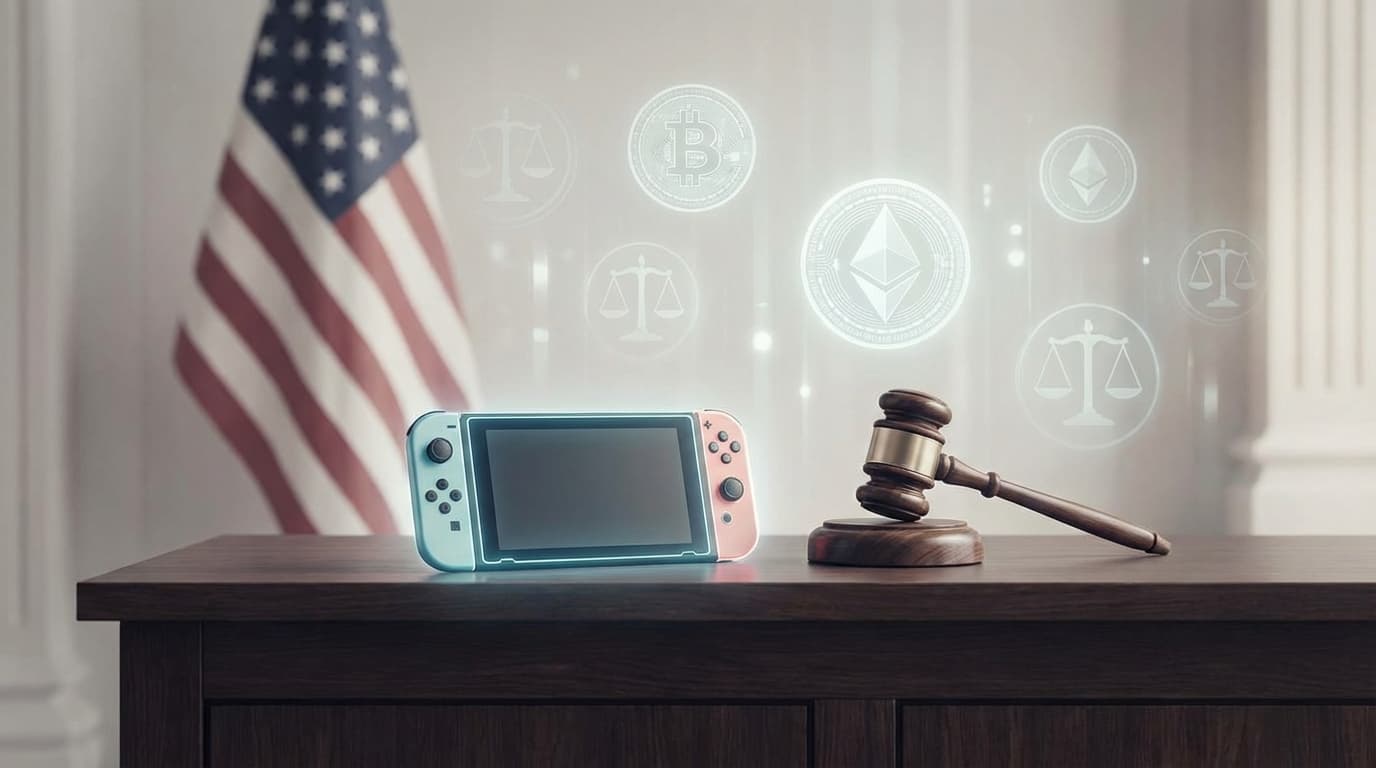
In a bold move that could reshape global trade dynamics, Nintendo filed a high-profile lawsuit against the United States government on March 6, 2026. The gaming titan is demanding a full refund of billions of dollars in tariffs paid under expansive executive trade policies. As reported by TechCrunch, this legal challenge follows a pivotal Supreme Court ruling that curtailed the executive branch's authority to impose broad-based tariffs without explicit congressional approval. Nintendo contends that the duties levied on gaming consoles and peripherals exceeded statutory limits.
Leveraging the Supreme Court’s Pivot
Nintendo's legal strategy hinges on a recent Supreme Court precedent that struck down portions of the President’s delegated power under Section 301 of the Trade Act. The core argument is one of 'retroactive relief'—the idea that if the tariffs were implemented via an unconstitutional or legally flawed process, the companies are entitled to compensation for all duties paid. Legal analysts suggest this case targets the Department of Commerce and U.S. Customs and Border Protection (CBP), seeking to prove that the 'gaming tax' was an overreach of executive mandate.
Impact on the Gaming Ecosystem
For years, the gaming industry has been caught in the crossfire of trade wars, with consoles often listed as collateral in tariff escalations. These duties forced Nintendo and its competitors to navigate volatile pricing strategies and squeezed margins in one of the world's largest consumer markets. Nintendo’s filing highlights how these financial burdens hindered R&D investment and inflated prices for American families. At the height of the trade tensions, the average tariff on electronics imports saw a staggering spike, affecting the entire supply chain from manufacturers to end-users.
Public Reaction and Search Trends
Digital interest in the lawsuit has been explosive. Google Trends data shows that search interest for 'Nintendo tariff refund' surged to 95 in the U.S. shortly after the announcement. High concentration of interest was observed in tech and gaming corridors like Washington state and California. Social media discourse has split between supporters cheering for lower console prices and policy observers debating the long-term impact on U.S. manufacturing incentives.
The Looming Domino Effect
Industry experts warn that Nintendo is just the first domino to fall. If the gaming giant succeeds in reclaiming its tariff payments, it will open the floodgates for thousands of other consumer electronics companies—including Apple, Sony, and Microsoft—to seek similar restitution. This could potentially force the U.S. government to return tens of billions of dollars, leading to a massive recalibration of federal trade budgets. The case represents a significant turning point where global corporations are beginning to push back successfully against national trade barriers through the judiciary.