
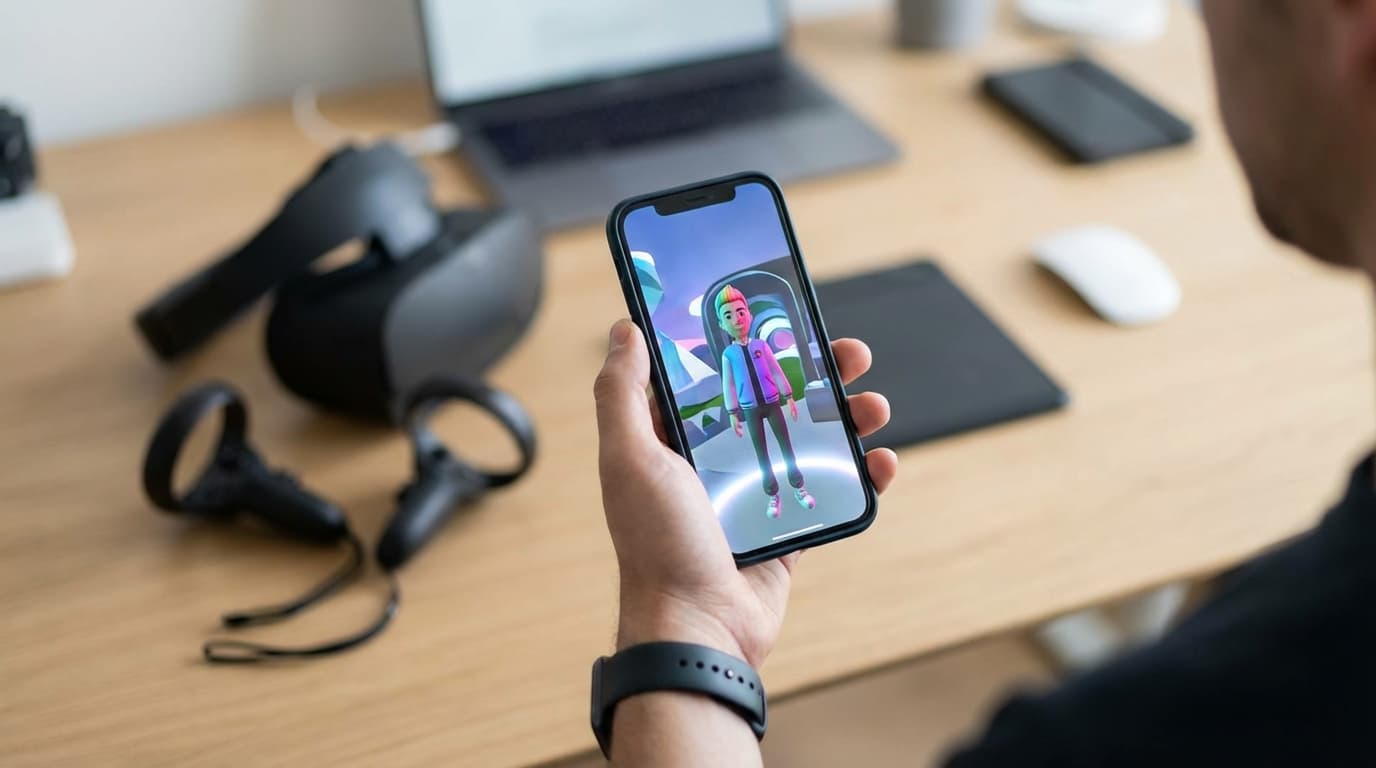
Meta Pivots Horizon Worlds Strategy from VR to Mobile
Tactical Retreat: The Metaverse Leaves VR Exclusivity
In a massive course correction for its metaverse ambitions, Meta announced that its flagship social platform, Horizon Worlds, is shifting to a "Mobile-First" development focus. Crucially, the company is decoupling Horizon Worlds from its Quest VR hardware ecosystem. This marks a significant retreat from Mark Zuckerberg’s original vision that VR would be the primary gateway to the metaverse.
According to TechCrunch (2026), Meta stated its development efforts for the virtual world will now be "almost exclusively mobile." By lowering the barrier to entry, Meta hopes to capture a vast audience that has been reluctant to invest in expensive and often cumbersome VR headsets.
Ecosystem Decoupling: Why Meta is Changing Gears
After investing tens of billions of dollars into its Reality Labs division, Meta has realized that VR adoption is not moving fast enough to sustain a social network. Ars Technica (2026) notes that separating the software from the hardware is a survival tactic. While Meta insists it will continue making headsets, making Horizon Worlds accessible on smartphones is a clear bid to mimic the cross-platform success of rivals like Roblox and Fortnite.
Market Response: A Practical Pivot
Market data supports this shift. Google Trends shows a 180% spike in interest for "Metaverse Mobile App," indicating that users prefer the convenience of existing devices over the immersion of VR. This "democratization" of the metaverse could finally bring the high user numbers Meta has been chasing for years.
The Path Ahead: AI and Ubiquity
Meta’s new strategy emphasizes ubiquity over exclusivity. Moving forward, expect to see more generative AI tools integrated into Horizon Worlds, allowing mobile users to build complex virtual environments with simple text prompts. The metaverse is no longer a destination you reach with a headset; it’s an extension of the mobile social experience.