

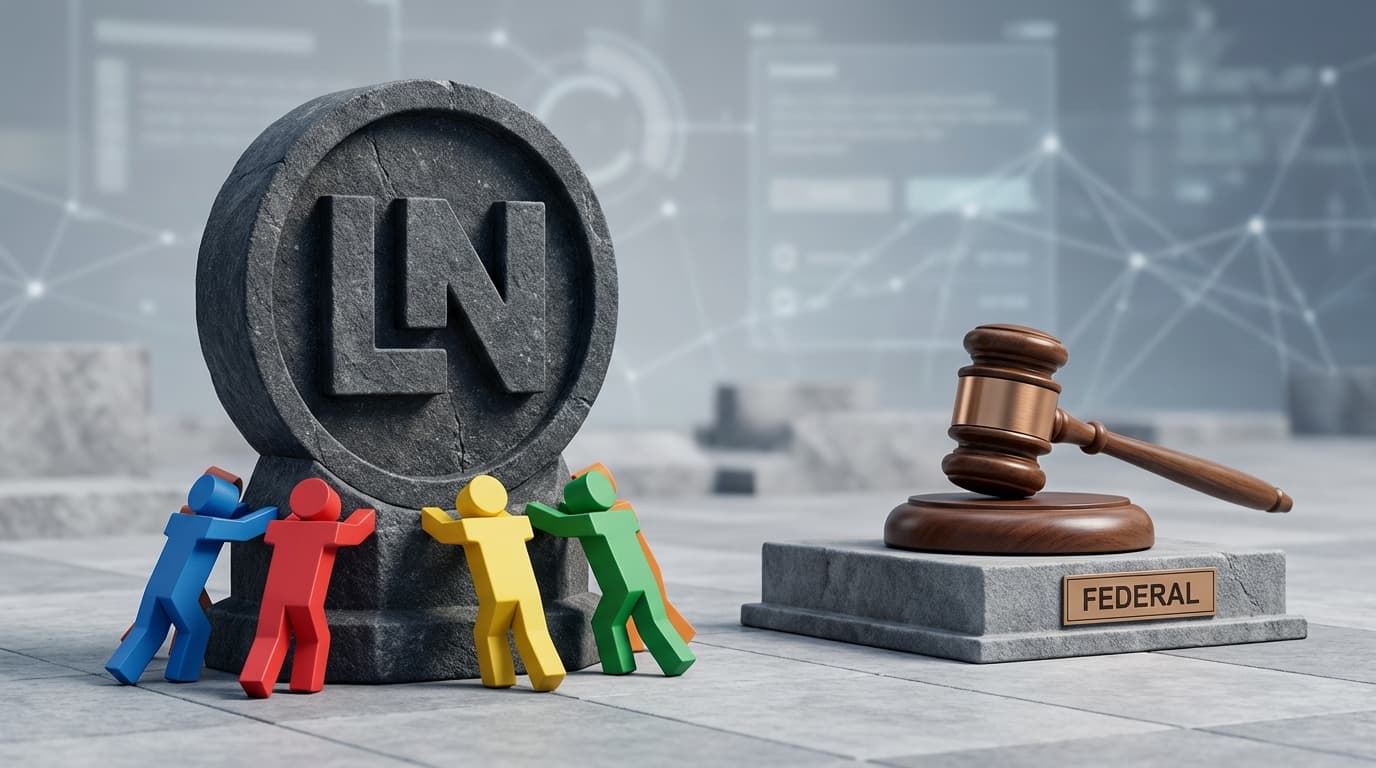
A Sudden Reversal in the Antitrust Trial
The monumental legal battle that promised to reshape the live music industry took a shocking turn on Monday. According to reporting from Ars Technica, the U.S. Department of Justice (DOJ) reached a tentative settlement with Live Nation and Ticketmaster, effectively abandoning its push to break up the entertainment conglomerate. This decision is a massive win for Live Nation, as market analysts and legal experts had widely expected the government to take a hardline stance and force a structural divestiture to end the company's alleged monopoly.
According to analysis from The Verge, the surprise settlement left dozens of state attorneys general—who were co-plaintiffs in the case—feeling "blindsided" and betrayed. These state prosecutors had built their cases on the hope of a court-ordered breakup to restore competition to the concert market. In response to the DOJ's move, several states are now seeking a mistrial, arguing that the "sudden disappearance" of federal prosecutors would unfairly influence the jury, leading them to believe the case against Live Nation lacks merit.
Behind the Deal: Behavioral Remedies vs. Structural Change
While the full details of the settlement have not yet been made public, legal experts speculate that the agreement likely mirrors the 2010 Consent Decree, focusing on "behavioral remedies" rather than structural changes. This suggests Live Nation may be required to commit to higher transparency in fee structures or promise not to retaliate against venues that use competing ticketing services, without actually being forced to sell off Ticketmaster. TechCrunch notes that such behavioral restrictions have historically been difficult to enforce, which is a primary reason for the intense opposition from state officials.
Under the framework of the Sherman Antitrust Act, forcing a corporate breakup is considered a drastic remedy with a high legal threshold. The DOJ’s pivot under the Trump administration reflects a more conservative approach to antitrust enforcement than previously anticipated. However, this shift stands in stark contrast to the widespread public outcry over skyrocketing ticket prices, hidden fees, and the perceived technical monopoly that has frustrated fans for years. For many consumers, this settlement represents a continuation of the status quo.
The States’ Final Stand: A Rift in Enforcement
Despite the DOJ's withdrawal, the fight is far from over for state prosecutors. Ars Technica reported that attorneys general from dozens of states are considering continuing their litigation independently, utilizing state-level "Little Sherman Acts" or their authority as "Parens Patriae" (protectors of the people). This growing rift between federal and state enforcement strategies is rare in high-profile antitrust cases and highlights how politicized the "concert economy" has become in 2026.
The states argue that Live Nation’s dominance directly harms their residents by driving up prices and suffocating local competition from smaller venues and promoters. Even with the DOJ exiting the trial, if the court refuses to approve the settlement or if the states can convince the judge to proceed with state-specific claims, Live Nation could still face legal hurdles. Nevertheless, losing the weight of the federal government’s resources is a significant blow to the prosecution’s momentum.
Industrial Implications: The Future of Live Entertainment
For the live entertainment industry, Live Nation’s success in dodging a breakup means its powerful vertically integrated business model remains intact. Currently, the company controls artist management, concert promotion, and the primary ticketing system simultaneously—a level of integration that gives it a massive advantage over any would-be competitor. If the settlement is finalized, Live Nation is likely to continue its global expansion, leaving smaller players to struggle in an environment dominated by a single giant.
Consumer reaction remains the most unpredictable element of this saga. Following the news of the settlement, social media has been flooded with criticism from fans who feel the legal system has failed to address the root causes of their frustration. Over the coming months, the court will review the proposed agreement, and the inclusion of stricter behavioral conditions may be the only way to appease the vocal opposition from state governments. Whether 2026 will truly bring fairer pricing and healthier competition to the music world remains an open and contentious question.