
A Twenty-Year Journey: From Discovery to Commercial Reality
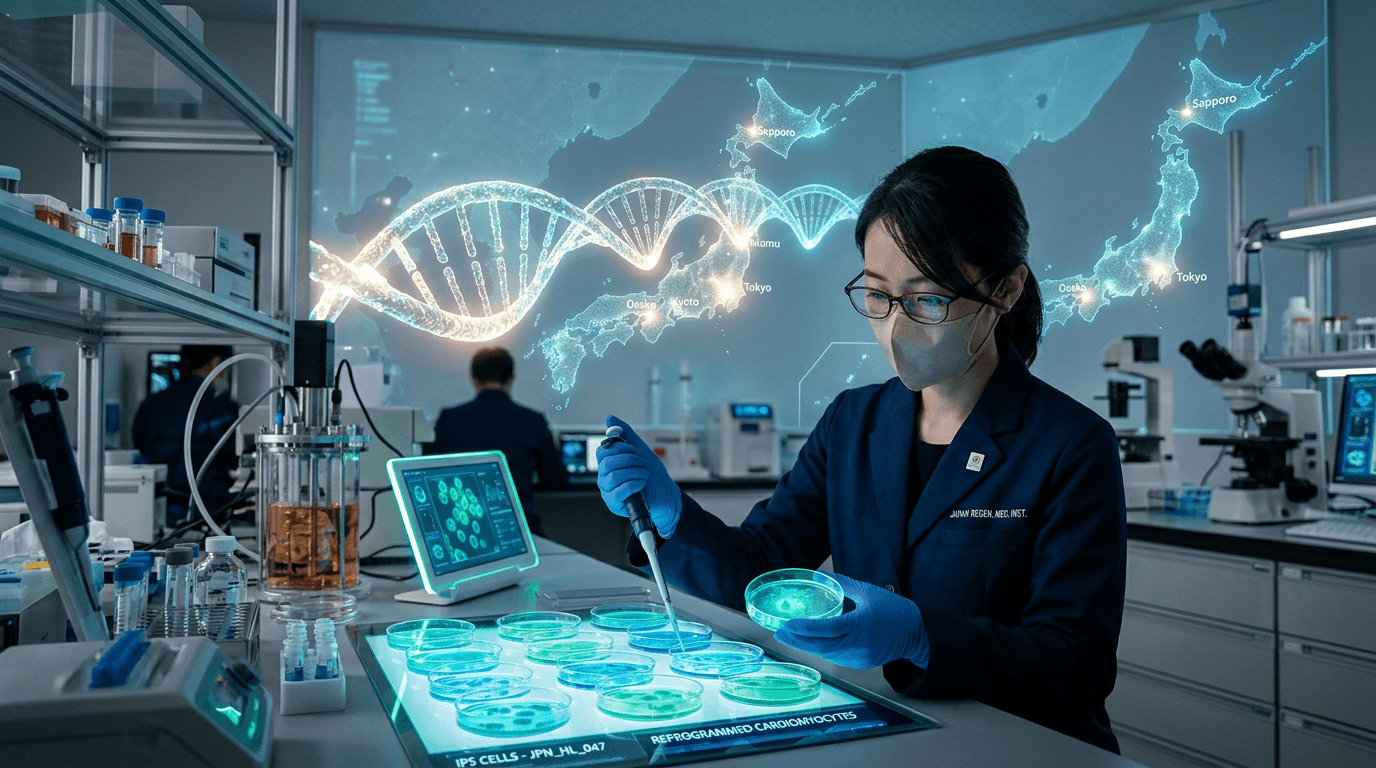
Japan's Ministry of Health, Labour and Welfare has officially granted the world's first authorizations for the manufacture and sale of medical products derived from "reprogrammed human cells," specifically induced pluripotent stem (iPS) cells. This historic regulatory milestone marks the culmination of a journey that began twenty years ago in 2006, when Professor Shinya Yamanaka first demonstrated the ability to turn back the biological clock of adult cells. As the pioneer of iPS technology, Japan has now solidified its position as the global leader in regenerative medicine, opening a new chapter in the treatment of previously incurable degenerative conditions.
The Engineering of Hope: How Reprogramming Works
Reprogramming technology involves introducing specific genetic factors into adult cells—such as skin or blood cells—to revert them into a state functionally identical to embryonic stem cells. The profound advantage of iPS technology lies in its ability to bypass the ethical controversies associated with human embryos while offering the potential for autologous therapies (using a patient’s own cells) to minimize immune rejection. According to Wired, the newly approved Japanese products target a range of conditions, including ophthalmic diseases, neurological disorders, and cardiovascular issues. The manufacturing processes have undergone rigorous quality control to ensure that the differentiated cells are both safe and stable for human transplantation.
Regulatory Pioneering: The PMDA’s Accelerated Path
Japan’s Pharmaceuticals and Medical Devices Agency (PMDA) has been instrumental in this achievement. Over the last decade, Japan has implemented bold regulatory reforms, such as the "conditional and time-limited approval" system for regenerative products. This framework allows for the commercialization of therapies that demonstrate safety and high probability of efficacy, facilitating rapid iteration. While academic databases like PubMed are still catching up with the indexing of these March 2026 approvals, research from 2025 on complex lineage reprogramming (such as induced hepatocyte-like cells) confirms that the scientific foundation for commercial scaling is robust and ready for mass-market applications.
Industrial Impact and Global Market Expansion
This approval is expected to trigger a wave of investment and strategic interest in the global biotechnology sector. First, it provides a clear regulatory roadmap for venture-backed firms specializing in standardized cell production. Second, it exerts pressure on agencies like the US FDA and European EMA to refine their own review processes for cell therapies to avoid losing ground in the next biotech revolution. Analysts predict that Japan's success will shift the market from expensive, highly customized treatments toward more affordable, "off-the-shelf" iPS cell products, potentially democratizing access to regenerative medicine for millions of patients worldwide.
Future Outlook: The Ultimate Vision of Repair
While the first commercial approvals are cause for celebration, the field still faces significant hurdles, including long-term monitoring for potential tumorigenicity and optimizing delivery methods for different organs. In the coming years, Japanese research institutions and pharmaceutical partners will focus on real-world data collection to prove the durability of these treatments. The ultimate goal remains the creation of global iPS cell banks—pre-screened for various immune profiles—allowing doctors to order "replacement parts" for the human body as easily as conventional medication. This is not just a victory for Japanese science, but a major leap forward for human health.