
A Sharp Turn in the Automotive Industry
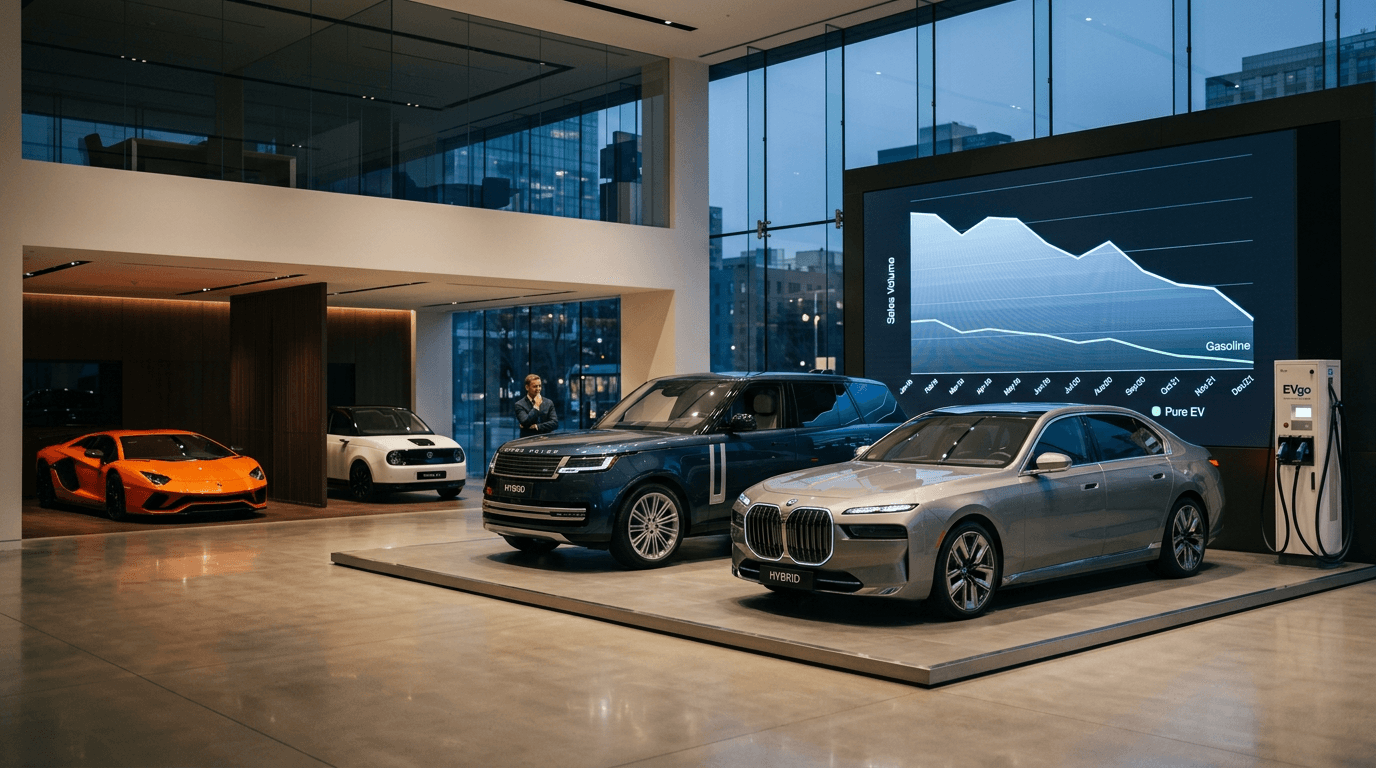
After years of relentless focus on the electric vehicle (EV) revolution, two major players—mass-market giant Honda and luxury icon Lamborghini—have announced surprising strategic retreats. Honda is discontinuing its three existing electric models for the U.S. market, while Lamborghini is pulling the plug on its high-end luxury EV plans. These moves are seen as definitive signals that the EV market is cooling significantly, as consumer demand and charging infrastructure fail to keep pace with the aggressive projections set by automakers earlier this decade.
Honda's North American Retreat: A Bitter Reality
As reported by TechCrunch, Honda's decision to kill its three EV models in the United States will reverberate far beyond North America. Despite a previous pledge to transition entirely to electric power, the company has struggled with low sales figures and insufficient infrastructure to justify ongoing R&D and production costs for these specific models. Honda has indicated that it is shifting its focus back toward hybrid technology, which currently offers a more pragmatic solution for consumers concerned with range anxiety. However, industry analysts warn that this retreat might cost Honda crucial technological momentum in its long-term battle against competitors like Tesla and BYD.
Lamborghini: Prioritizing Soul Over Silent Speed
In the luxury segment, Lamborghini’s exit is even more symbolic. According to Wired, the Italian automaker has decided to halt development on its pure electric supercar. For Lamborghini's core clientele, the visceral roar of a V10 or V12 engine is an essential part of the brand’s identity—something that current EV technology cannot replicate. The brand’s leadership has hinted that synthetic "e-fuels" might provide a more viable path to meeting emissions regulations while preserving the brand's heritage. This reflects a broader trend among luxury carmakers: if the unique emotional value of a vehicle is lost in the transition to EV, the premium price point becomes harder to sustain.
Market Sentiment and Trends Analysis
The cooling interest in EVs is palpable in consumer data. Google Trends indicates that interest in "EV" in California has dropped to a score of 7, a fraction of the attention currently garnered by AI. This suggests that the early-adopter phase has ended, and the mass market remains skeptical. Interestingly, technical queries regarding "800 V architecture" are rising, showing that remaining EV shoppers are becoming more discerning, focusing heavily on charging speeds and efficiency rather than just the environmental narrative. This market shift is forcing many analysts to revise their timelines for total electrification by 2030.
Future Outlook: A Return to Pragmatism
The actions of Honda and Lamborghini mark a significant entry into the "Trough of Disillusionment" for the EV sector. While manufacturers like BYD continue to push boundaries with 12-minute fast-charging technology, global adoption faces structural hurdles like aging power grids and volatile resale values. In the coming years, we are likely to see more traditional automakers return to hybrid or even hydrogen-based research as they navigate this period of market realignment. The future of the automobile remains electric in the long run, but the road to getting there is proving to be much steeper and more complex than initially imagined.