

A Volatile Dawn: Oil Breaches the $100 Frontier
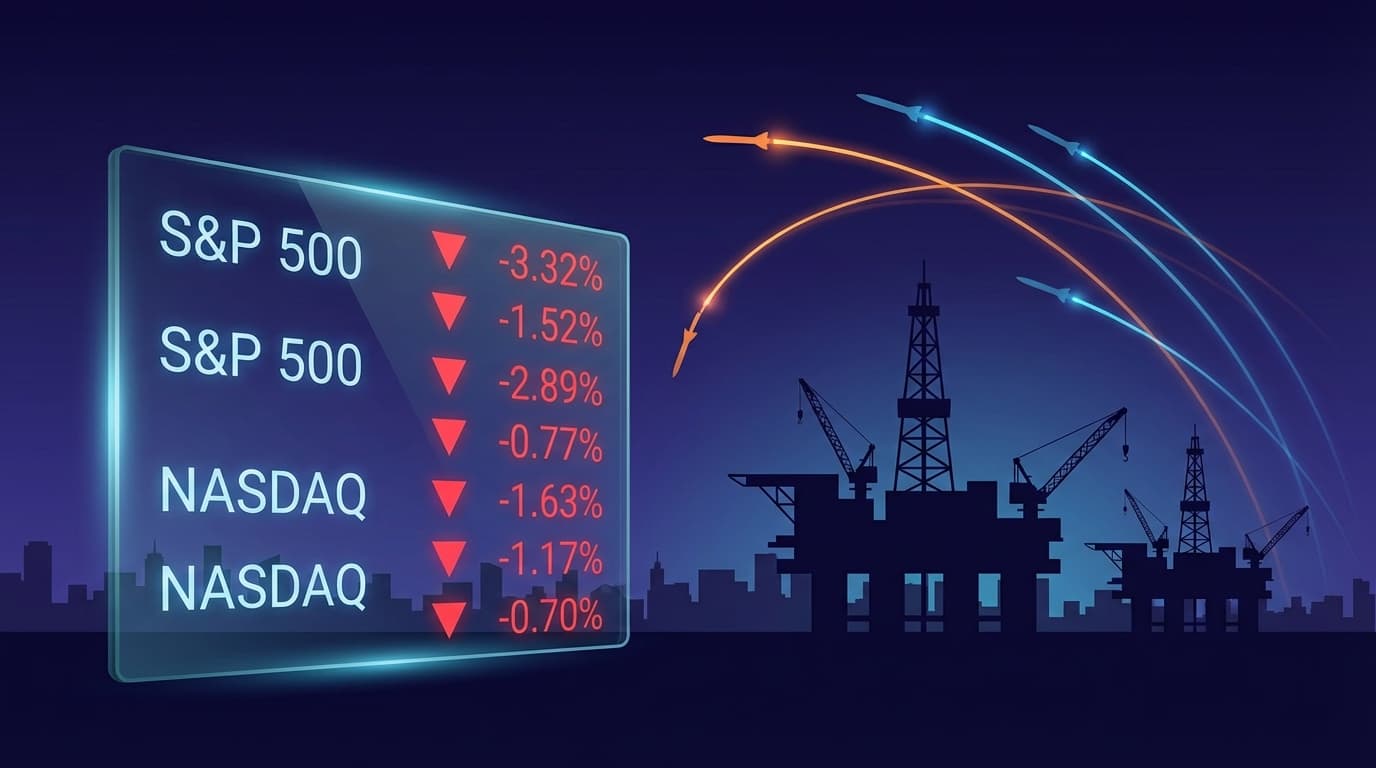
On the morning of March 9, 2026, global financial markets awoke to a stark new reality. According to real-time data from Yahoo Finance, futures for the Dow Jones, S&P 500, and Nasdaq took a synchronized plunge as Brent crude and West Texas Intermediate (WTI) surged past $100 per barrel—a level not sustained since the early months of the 2022 energy crisis. This dramatic spike, triggered by escalating hostilities in the Gulf, has effectively ended the period of relative stability in energy prices and reignited the specter of runaway inflation.
For investors, the $100 mark is more than just a psychological barrier; it is a catalyst for economic recalibration. The suddenness of the move has forced hedge funds and institutional traders to price in a higher-for-longer interest rate environment, as the Federal Reserve’s anticipated pivot toward easing now seems increasingly unlikely. The "Black Monday" sentiment is palpable across trading floors from New York to London.
Shields Up: Real-Time Combat Testing of Gulf Defenses
The immediate cause of the market panic is a series of sophisticated missile and drone strikes targeting energy infrastructure in the Middle East. As reported by Wired, the region’s layered air-defense networks—including the Terminal High Altitude Area Defense (THAAD) and Patriot missile batteries—are being tested in real-time under high-stress conditions. While many threats have been neutralized, the persistent nature of the attacks has raised concerns about the long-term sustainability of supply routes through the Strait of Hormuz.
The search data from Google Trends underscores the public's anxiety, with the term "Oil Price Impact" reaching a peak score of 100 in financial hubs. Unlike previous skirmishes, the current conflict involves high-precision swarming drones that threaten to bypass traditional radar-based defenses. The cost of defense is rising as quickly as the price of the oil it seeks to protect, creating a feedback loop of economic uncertainty that is shaking consumer confidence.
The Bitcoin Disconnect: Risk-Off Beats Crypto-Gold
In a surprising twist for those who champion Bitcoin as "digital gold," the leading cryptocurrency has failed to provide a safe haven during this crisis. Data from Decrypt shows that Bitcoin prices slipped significantly as oil surged, continuing to trade in lockstep with high-risk technology stocks rather than traditional hedge assets like physical gold or U.S. Treasuries. This correlation highlights a maturing, yet still volatile, asset class that remains vulnerable to liquidity drains in times of extreme geopolitical stress.
Market analysts suggest that in a true energy-driven inflationary event, the "flight to quality" prioritizes tangible resources and sovereign debt. The underperformance of crypto-assets during this surge suggests that digital currencies are still viewed primarily as speculative vehicles rather than stores of value during kinetic warfare. Gold, meanwhile, has approached all-time highs, reclaiming its throne as the ultimate protector of wealth in an era of falling missiles.
Macroeconomic Fallout: The Road Ahead for 2026
The impact of $100 oil will be felt far beyond the gas pump. For energy-intensive sectors like aviation and global logistics, the cost of doing business has just skyrocketed. Manufacturing hubs in Asia, particularly Taiwan’s semiconductor industry, are watching these developments with caution, as high energy costs eventually translate into higher prices for everything from smartphones to electric vehicles. The global Consumer Price Index (CPI) is now expected to face renewed upward pressure, complicating the mission of central banks worldwide.
As we look to the rest of the week, the market's trajectory will depend on the stability of the Gulf’s defense networks and any potential de-escalation signals from regional powers. However, the initial shock has been delivered: the geopolitical risk premium is back with a vengeance. Investors are now moving into a defensive posture, bracing for a year where energy security and geopolitical resilience define the winners and losers of the global economy.